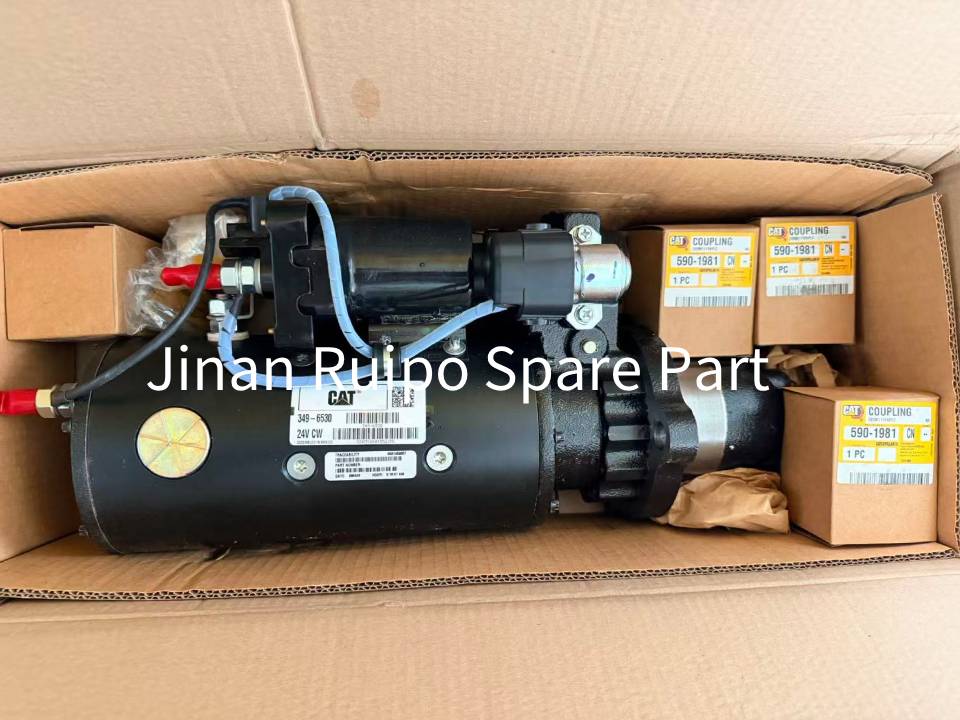
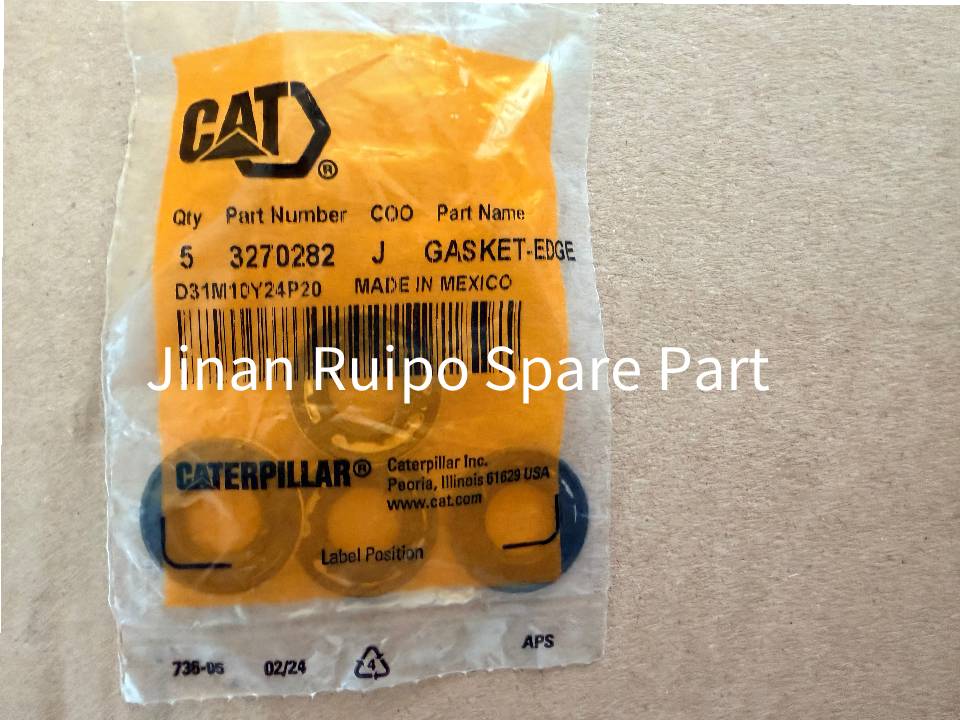
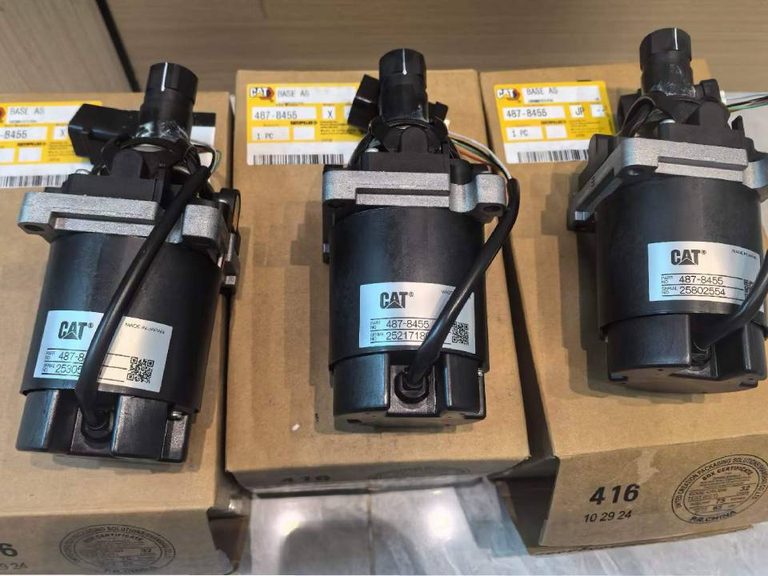
“Поставщик предоставил нам настоящее универсальное решение по запчастям. Их команда подобрала нужные запчасти Caterpillar, Perkins и фильтры для нашего оборудования, а поддержка была быстрой и профессиональной от запроса до поставки”.”
Менеджер по закупкам
Проекты запчастей для тяжелой техники
что о нас говорят другие
“Поставщик предоставил нам настоящее универсальное решение по запчастям. Их команда подобрала нужные запчасти Caterpillar, Perkins и фильтры для нашего оборудования, а поддержка была быстрой и профессиональной от запроса до поставки”.”
How Buyers Should Compare Legacy Diesel Engines vs Modern Platforms
“The older one is easier to fix.”
Maybe. Before I let that argument decide a purchase, I want to know who’ll repair the injection pump, whether the cylinder head is still available, and what the seller actually means by “rebuilt.”
When a seller offers two engines with similar horsepower but different histories, I want the serial numbers, repair records, and load-test results before discussing value, because the cheaper unit may already need work that its asking price conveniently leaves out.
Check the paperwork.
Would you buy a haul truck because its engine sounded healthy for five minutes in the yard?
Yet engine purchases get reduced to exactly that sort of evidence: a starting video, fresh paint, an hour-meter photograph, and a confident seller.
Для old vs new diesel engines, I’d put condition, support, and operating suitability ahead of age. An older platform can be a sound purchase. A modern one can earn back its premium. Both can become expensive mistakes.
“Legacy” Isn’t an Engine Specification
An older diesel may have electronic controls. A newer industrial engine may have no diesel particulate filter, depending on its configuration and intended market.
So when someone calls an engine “simple,” ask them to be specific.
Do they mean a mechanically governed pump? No common rail? No exhaust aftertreatment? Or merely an engine their fitter knows well?
Those answers aren’t interchangeable.
Mechanical vs electronic diesel engines: name the workshop
I frankly believe buyers spend too much time debating electronics and too little time asking who’ll attend the breakdown.
A mechanical injection pump still needs proper calibration. A technician with spanners and confidence isn’t automatically an injection specialist. Equally, an electronic fault code doesn’t condemn the component named in its description.
Diagnostic equipment helps when someone can use it properly. Without the right interface, software access, and service information, you may be paying for a technician’s travel before meaningful testing even starts.
Give your workshop the proposed engine details. Ask which jobs it can handle, which it must subcontract, and how long those outside services usually take.
Comparison point
What to establish before buying
Mechanical condition
Cold-start behavior, hot operating measurements, load-test results, and inspection findings
Fuel injection
System type, component condition, repair capability, and replacement availability
Diagnostics
Required tools, software access, technician availability, and attendance cost
Охлаждение
Required heat rejection, radiator condition, fan arrangement, and installation suitability
Emissions equipment
Original configuration, present condition, and applicable destination requirements
Parts support
Genuine part references, supersessions, actual stock, and lead times
Operating cost
Fuel consumption at comparable output, maintenance requirements, and downtime exposure
A familiar engine with unavailable parts isn’t easy to maintain. It’s familiar—and stopped.
Ask for a Parts Quote Before You Buy the Engine
“Plenty of parts available.”
Which parts?
Filters and belts tell you something about routine servicing. They tell you very little about the lead time for a head casting, injection component, ECM, or engine-specific housing.
I’d send suppliers a short list containing service items and several potential showstoppers. Request genuine part references, stock locations, lead times, and any superseded numbers. “Available to order” needs a delivery estimate attached to it.
A rebuildable engine still needs a defined repair scope
Ring end gap? Liner condition? Piston grooves? What explains the oil consumption or blow-by in the first place?
A ring quotation isn’t a diagnosis. If the bores or pistons are outside the relevant reuse limits, fitting rings alone won’t correct the underlying condition.
Ask for the teardown findings and a parts list. “Overhauled” can describe anything from limited repair work to a thoroughly measured, assembled, and tested engine. The invoice should make the distinction visible.
Injector descriptions need more than a model name
The same applies to fuel-system purchases.
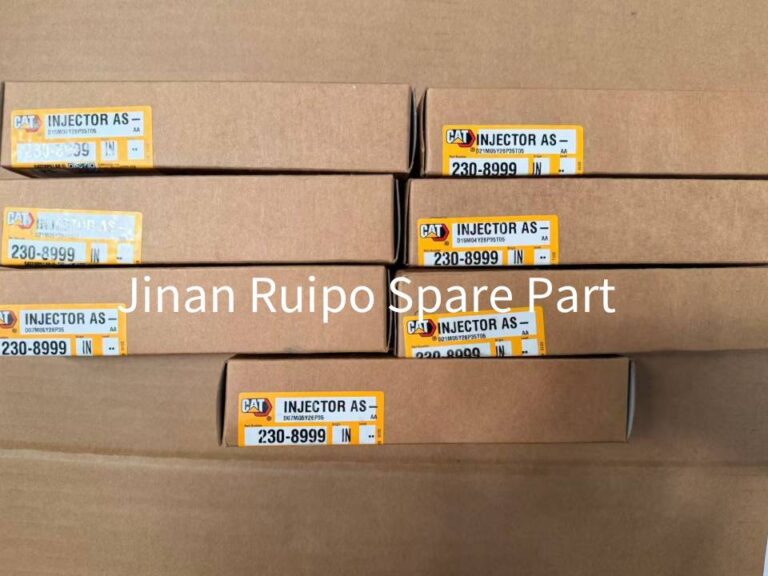
For a genuine Caterpillar 230-8999 fuel injector, provide the engine serial number and verify the applicable parts reference. Then establish what the service procedure requires for installation, adjustment, or coding, where applicable.
Don’t guess from the connector, body shape, or a marketplace photograph.
And if the previous injector failed because of contaminated fuel, the replacement is going back into the same problem unless someone addresses the supply.
Buy for the Fuel You Receive and the Load You Run
A general claim about fuel quality in a country won’t tell you what’s arriving in your site tank.
Obtain the engine’s fuel specification. Compare it with delivery documentation and suitable test results. Sulfur, water, and particulate contamination are separate concerns; passing one check doesn’t settle the others.
Сайт US Environmental Protection Agency’s diesel-fuel guidance, updated in December 2025, identifies ultra-low sulfur diesel with a sulfur limit of 15 parts per million. That’s a reference for US requirements. Your purchasing decision still needs the specification for the exact engine and destination.
A fuel filter won’t remove sulfur. Low sulfur won’t compensate for water in the tank, either.
“No DPF” leaves several questions unanswered
What else is fitted?
Check for exhaust gas recirculation, a diesel oxidation catalyst, a diesel particulate filter, selective catalytic reduction, and the associated controls—as applicable to that engine.
Where specified, SCR uses diesel exhaust fluid, commonly 32.5% high-purity urea in deionized water. Urea is CO(NH₂)₂. For the buyer, the concern is practical: dependable fluid supply, proper storage, and access to someone who can diagnose the system.
Get the emissions identification and configuration documents before shipment. Have the destination requirements checked against them.
The radiator belongs in the engine discussion
A sound engine can still overheat in an unsuitable installation.
Look at heat rejection, radiator condition, airflow, fan drive, hoses, and the load it will carry. During a replacement assessment, seemingly minor hardware—such as the 120-4879 fan drive adapter on an applicable Caterpillar arrangement—also needs to match the specified installation.
“Same engine family” doesn’t prove every accessory will transfer.
Ask for appropriate testing under load. At idle, the cooling system hasn’t demonstrated what you need to know.
Newer Technology Has to Earn Its Premium
I wouldn’t dismiss common rail because an older pump is familiar. I wouldn’t buy it on a fuel-saving promise without supporting evidence, either.
What happened at South Walker Creek
In its July 2024 South Walker Creek case study, Cummins described QSK60 upgrades in Komatsu 830E haul trucks. The package replaced HPI injection with MCRS common rail and included other combustion improvements.
Across the first six upgraded trucks, Cummins reported 3% lower fuel consumption. Reported life-to-overhaul moved from the earlier 26,000-hour interval to 32,000 hours, with one unit reaching 36,000 hours. The mine also had substantial maintenance support.
That’s useful operating evidence. It isn’t a promise that another engine, working a different duty cycle with different support, will deliver the same result.
The purchasing lesson is to investigate the complete package: hardware, installation, maintenance, and support. Don’t allocate all the benefit to one component.
Keeping the existing platform may still make sense
There’s a third option between nursing a worn engine indefinitely and buying the latest platform: a properly scoped overhaul or remanufactured replacement.
Caterpillar’s August 2024 medium-duty engine guidance described options from overhaul kits to complete remanufactured engines. It stated that Cat Reman products typically cost 45–85% of new, subject to a qualifying core return.
Read that percentage carefully. It means 45–85% of the new price, not that percentage off.
Then ask about core acceptance, return freight, included components, testing, and warranty coverage. A damaged core or missing accessories can change the comparison.
Put Your Own Numbers Into the Ownership Calculation
A fuel saving on a machine working 4,000 hours a year deserves attention. The same percentage on lightly used standby equipment may recover very little money.
Compare equivalent useful output. Lower liters per hour means little if the engine is doing less work.
Those inputs are assumptions, not a forecast. Replace them with measured consumption and your delivered fuel price.
Then account for purchase, freight, installation, commissioning, service parts, fluids, diagnostics, repairs, financing, and residual value. Include downtime—but avoid counting both the full production loss and the replacement rental that prevents it.
I’d run the figures twice: once with the expected saving and once with a smaller saving and fewer operating hours.
Does the purchase still work?
If it only pays under the seller’s most favorable assumptions, negotiate accordingly.
Maintenance Records Matter More Than Fresh Paint
“Recently rebuilt” should lead to paperwork.
Request the repair invoice, parts list, measurements, and test report. Establish whether the displayed hours refer to the machine, the installed engine, or time since repair. They may be three different numbers.
For legacy diesel engine maintenance, useful records include oil consumption, specified lubricants, service intervals, overheating events, and major internal work. For a modern platform, request electronic operating and fault records where available as well.
But records need interpretation. An oil-analysis report taken immediately after an oil change offers a different picture from a consistent sampling history.
After purchase, neither platform excuses poor filtration, dirty transfer equipment, incompatible coolant, or ignored alarms. Operator response matters: continuing through a serious warning can enlarge the repair scope before the workshop sees the engine.
Budget for competent servicing and clear alarm-response procedures. They’re part of keeping the asset available.
Вопросы и ответы
Are older diesel engines easier to maintain?
Older diesel engines can be easier to maintain when local technicians understand their systems and genuine replacement parts remain obtainable, but obsolete components, undocumented modifications, accumulated wear, and specialist injection work can eliminate that advantage, making the exact engine’s condition and support network more important than its age.
Have your workshop review the model before you commit.
Are modern diesel engines more reliable?
Modern diesel engine reliability depends on the specific design, duty cycle, maintenance, fuel quality, and support available, while newer controls and injection systems can improve monitoring and performance but may also require diagnostic access and replacement components that the buyer must be prepared to obtain and maintain.
Compare evidence from similar applications. Production year alone won’t settle it.
How should buyers compare old and modern diesel engines?
Buyers should compare old and modern diesel engines by verifying their configurations, assessing mechanical condition through appropriate inspection and testing, confirming fuel and emissions requirements, checking genuine parts availability, and calculating ownership costs at equivalent useful output, with realistic allowances for installation, maintenance, specialist support, repairs, and downtime.
Get both serial numbers before requesting the comparison quotations.
What determines diesel engine total cost of ownership?
Diesel engine total cost of ownership is the combined expense of acquisition, installation, fuel, fluids, scheduled servicing, diagnostics, repairs, downtime, and financing, less residual value, assessed over a defined operating period and comparable productive output so that purchase price can be judged against the costs incurred after delivery.
Use a range for uncertain costs. A single optimistic estimate hides too much.
Request a Genuine Parts Availability Check Before You Buy
Before paying a deposit, send Jinan Ruipo the engine model, serial number, nameplate photographs, required part numbers, and delivery destination.
Include your deadline and identify the components whose lead times could affect the purchase. Request a genuine parts quotation through [email protected].
You’ll then have a parts position to compare with the inspection results and operating costs—before the engine becomes your responsibility.