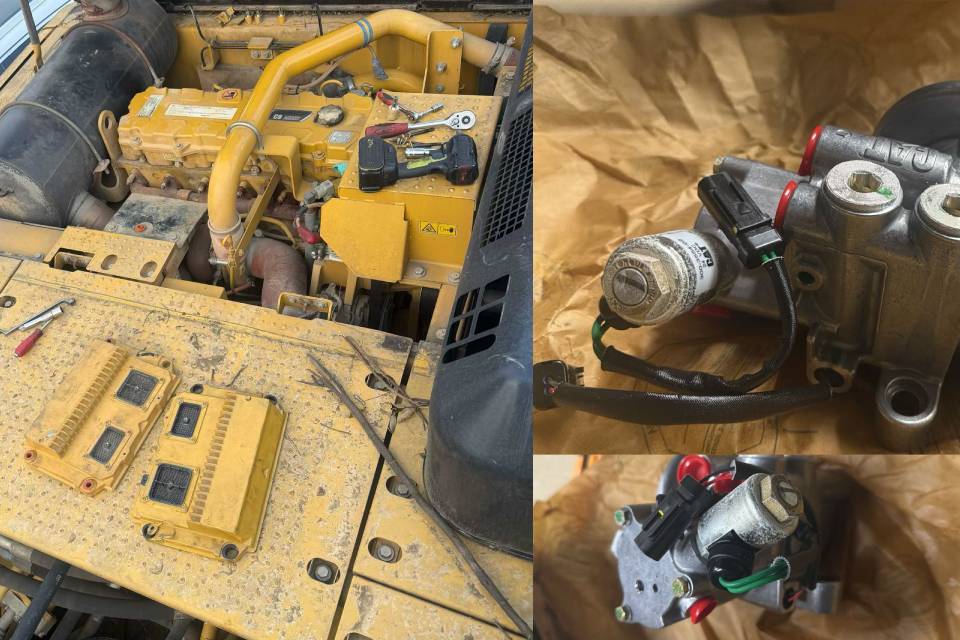
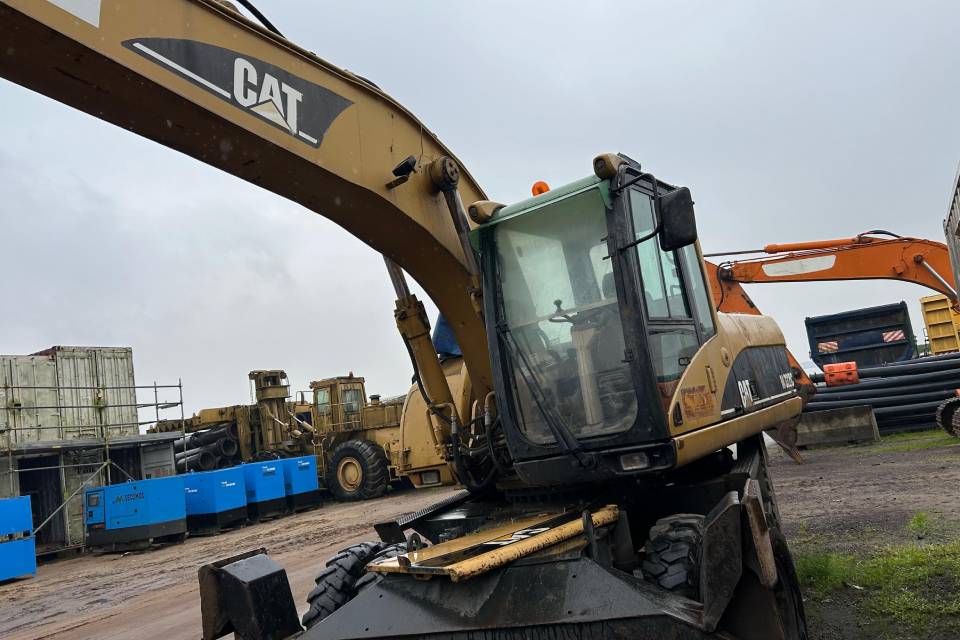
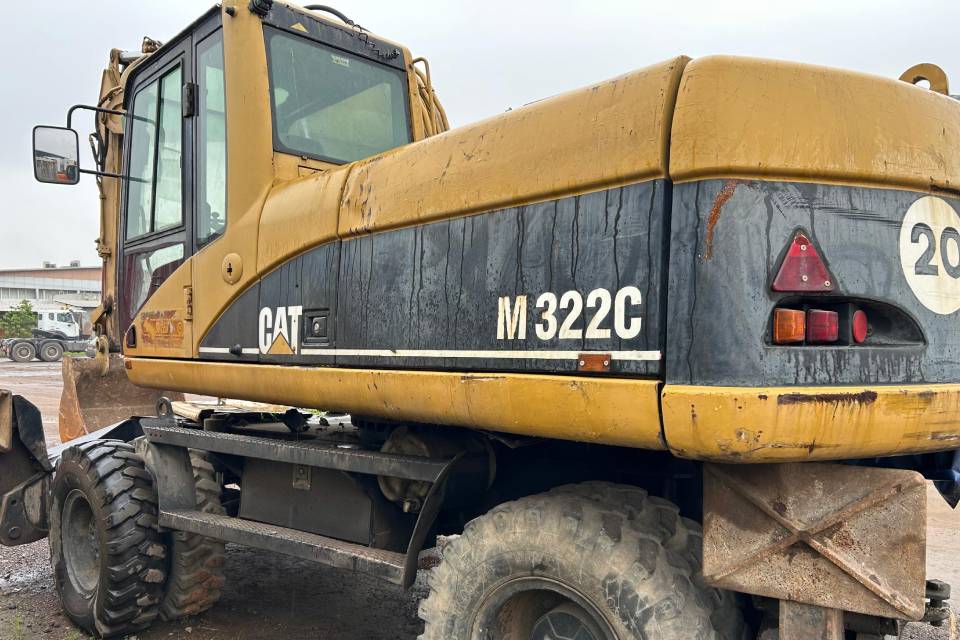
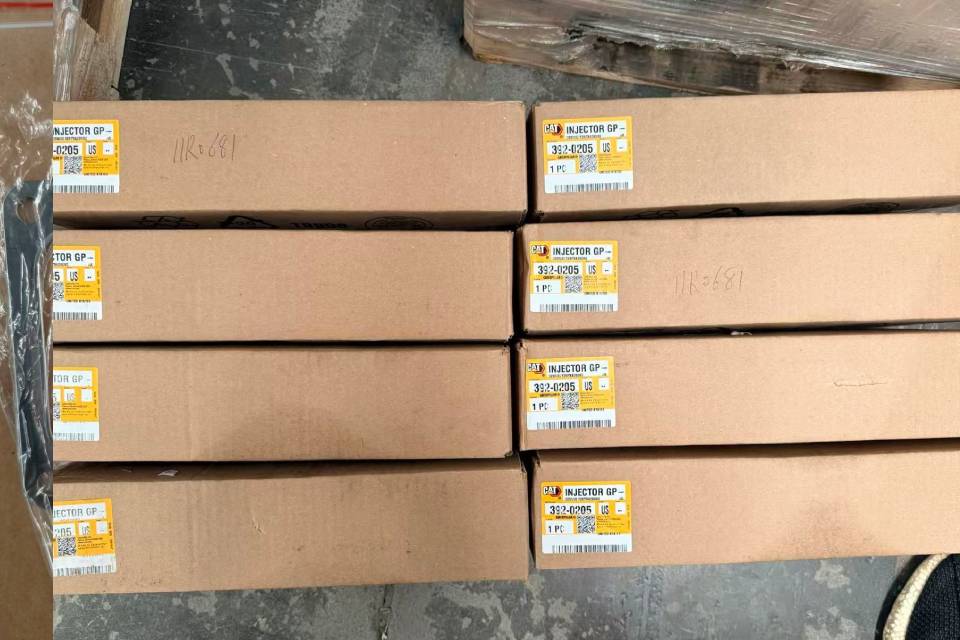
“قدم لنا المورد حلاً حقيقياً شاملاً لقطع الغيار. فقد قام فريقهم بمطابقة قطع Caterpillar، وPerkins، وقطع الفلتر المناسبة لمعداتنا، وظل الدعم سريعًا واحترافيًا منذ الاستفسار وحتى التسليم.”
مدير المشتريات
مشاريع قطع غيار المعدات الثقيلة
ما يقوله الآخرون عنا
“قدم لنا المورد حلاً حقيقياً شاملاً لقطع الغيار. فقد قام فريقهم بمطابقة قطع Caterpillar، وPerkins، وقطع الفلتر المناسبة لمعداتنا، وظل الدعم سريعًا واحترافيًا منذ الاستفسار وحتى التسليم.”
كم عدد الساعات التي ينبغي أن يعمل فيها محرك الحفارة التي تعمل بالديزل فعليًّا؟
I’ll say the unpopular bit first: the hour meter is probably the most over-trusted liar on a used excavator.
جدول المحتويات
It helps. Barely.
A diesel excavator engine with 6,800 hours can still be a money-maker if it’s been fed clean diesel, kept cool, serviced with boring religious discipline, and run by operators who don’t treat the throttle like a punishment device; meanwhile, a “low-hour” 4,200-hour unit can already be halfway to an in-frame rebuild if it lived in rock dust, ran hot, idled for lunch, and swallowed bargain-bin filters. So why does everybody still ask, “How many hours?”
Because it feels safe.
From my experience, safe feelings are expensive in the used equipment trade. I’d rather see ugly service invoices than fresh paint. I’d rather see oil sampling than a polished counterweight. I’d rather hear the engine cold-start on a bad morning than watch a seller do a perfect yard demo after warming it up for 25 minutes behind the shed.
That’s the real issue with excavator engine lifespan. It isn’t one number. It’s the machine’s biography, written in soot, coolant, iron ppm, silicon, fuel dilution, fan speed, hydraulic load, and all the little decisions nobody wanted to pay for when the machine was still earning.
The Number Buyers Want — And the Number I Actually Trust
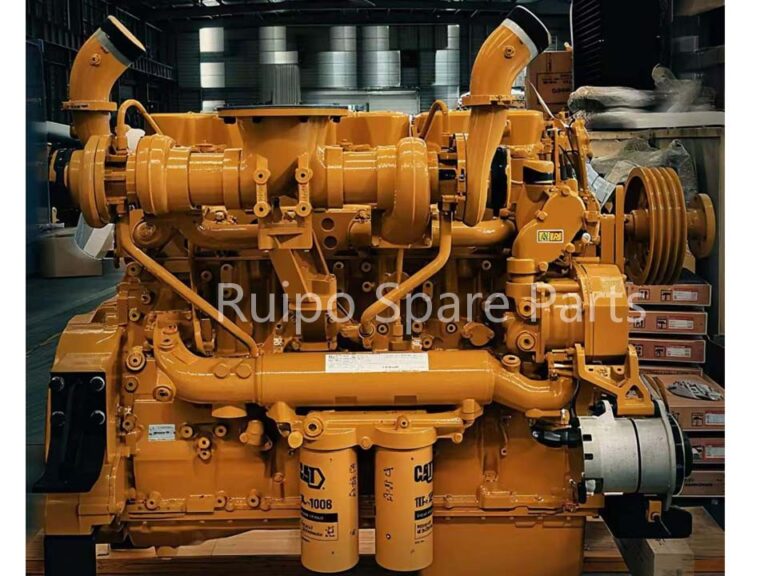
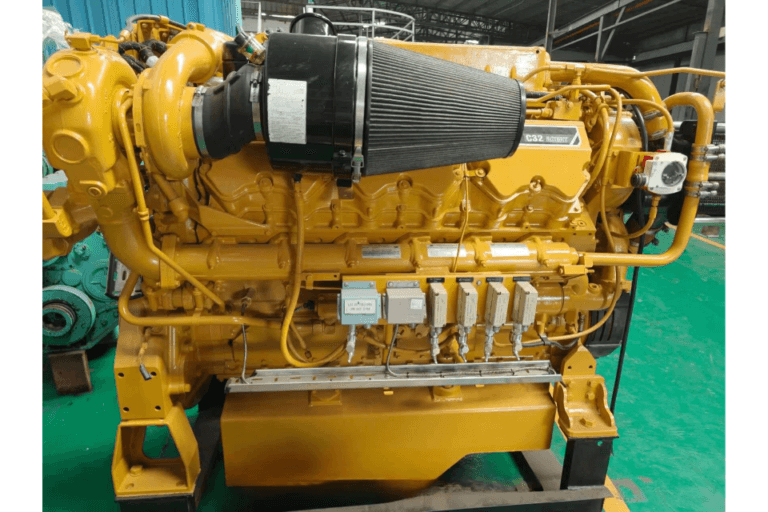
Here’s the plain answer: most diesel excavator engines start entering serious overhaul-risk territory somewhere around 6,000 to 10,000 hours. Good ones can push past 12,000 hours. Bad ones can be tired before 5,000 hours.
Annoying answer? Yes.
But it’s more honest than pretending every machine follows the same neat curve.
Engine Hours
What It Usually Means
Buyer Risk
What I Check First
0–3,000 hours
Young machine, but not automatically safe
Low to medium
Warranty record, oil intervals, idle percentage, early overheating
3,000–6,000 hours
Normal working age if maintained correctly
متوسط
Oil analysis, injector balance, coolant condition, turbo health
Rebuild records, full service file, frame condition, pump history
But don’t read that table like gospel. A 5,000-hour excavator isn’t automatically “used up.” And a 2,900-hour machine isn’t automatically clean. I’ve seen low-hour machines with more red flags than a port auction after a rainstorm.
The hour meter starts the argument.
It doesn’t settle it.
“Hard Hours” Are Where Engines Get Chewed Up
Ever watch a machine load trucks all day in sticky clay while the operator keeps stabbing the controls because the hydraulics feel lazy? That engine is not living the same life as a machine doing trench work in clean soil.
Same hours. Different beating.
A diesel excavator engine doesn’t just wear because it runs. It wears because of load, temperature, dust, fuel quality, idle time, cooling performance, and whether the hydraulic system is making the engine fight unnecessary resistance.
Long idle time with cold combustion and soot buildup
Dust ingestion from neglected air filters or poor sealing
Radiator cores packed with mud, seeds, fiber, cement dust, or quarry fines
Water in diesel, dirty fuel tanks, lazy separator maintenance
Wrong oil viscosity for climate or workload, especially bad 15W-40 habits in the wrong conditions
Hydraulic restriction, weak response, or pressure spikes that make the engine lug
Operators ignoring warning lights because “it still digs”
Here’s the ugly truth: engine life is often killed by systems outside the engine.
A small hydraulic control problem can add heat, increase engine load, slow machine response, and make the operator overcompensate. That’s why I’d never treat a genuine Caterpillar hydraulic control check valve for Cat 306E mini excavators as just another small hydraulic part. If the hydraulic side is fighting itself, the engine gets dragged into the brawl.
And yes, buyers miss this all the time.
They hear the engine run. They smile. They lose money later.
Maintenance Records: The Paper Trail That Saves You From Fairy Tales
“Sensible maintenance” means nothing to me unless there’s proof.
Everybody says they changed the oil. Everybody says the machine was “well maintained.” Sellers say that about excavators with dry-rotted hoses, cooked coolant, dead monitors, and enough blow-by to fog a mirror.
Show me the records.
Caterpillar’s own planned maintenance setup is built around service-hour intervals: PM1 at 250 hours, PM2 at 500 hours, PM3 at 1,000 hours, and PM4 at 2,000 hours, according to Cat’s official Planned Maintenance Self-Service Option. Cat also describes 250-hour planned maintenance as PM1 in its 250-hour planned maintenance guide.
That tells you something. Serious fleets don’t maintain machines when someone “remembers.” They maintain by hours, oil condition, application, season, and failure history.
Boring? Absolutely.
Profitable? Usually.
The Service File I Want Before I Believe the Seller
If I’m judging used excavator engine life expectancy, I want:
Engine oil and filter dates matched to hours
Fuel filter and water separator records
Hydraulic oil and return-filter history
Coolant type, replacement date, and freeze/boil protection
Air filter records, especially for quarry, demolition, cement, and agricultural sites
Turbocharger, injector, fan, radiator, governor actuator, and sensor repair history
Idle percentage and fuel-burn pattern, if available
No file? Fine.
Then the price drops.
I frankly believe undocumented excavators should be priced like machines with hidden debt, because that’s what they are. Somebody skipped the proof, maybe skipped the work, and now wants the next buyer to finance the mystery.
Cooling: The Quiet Killer Sitting Behind the Grille
Heat doesn’t always announce itself with steam and panic.
Sometimes it just nudges the temperature up, day after day, while oil thins, seals harden, turbo bearings suffer, piston rings lose their edge, and the operator says, “It’s always run a little warm.”
That sentence scares me.
A blocked radiator, weak suction fan, damaged shroud, tired thermostat, bad cap, wrong coolant mix, clogged oil cooler, or packed intercooler can age a diesel engine faster than the hour meter suggests. And no, washing the outside of the machine doesn’t count as cleaning the cooling stack. I’ve watched people spray a radiator face for three minutes and call it done. That’s not maintenance. That’s theater.
For a machine like a Cat 330 excavator, cooling isn’t a side conversation. It’s the difference between normal engine wear and cooked-engine math. A genuine Caterpillar 24V radiator axial suction fan for Cat 330 excavators matters because the fan is part of the engine’s survival system, not just a spinning accessory.
Fresh paint sells machines.
Clean cooling stacks save them.
Electronics: The Stuff Old-School Buyers Pretend Doesn’t Matter
I get it. Some buyers want “simple iron.”
No laptop. No sensors. No screen drama.
But modern excavators don’t care about nostalgia. They run on electronic control, engine protection logic, throttle response, sensors, derate strategies, display warnings, and fault memory. Ignore that, and you’re not being old-school. You’re buying blind.
A weak governor actuator can cause unstable RPM, lazy response under load, rough fueling, and engine hunting that the seller explains away as “normal for these machines.” Maybe. Maybe not. A genuine Caterpillar electronic governor actuator belongs in the excavator engine lifespan conversation because fuel control and load response directly affect how hard the engine works.
Same with the monitor.
A dead or glitchy display is not a cosmetic defect. It can hide temperature warnings, derate history, service alerts, mode problems, and operator abuse. A genuine Caterpillar 8-inch touchscreen display monitor gives the operator and mechanic visibility into what the machine is trying to say.
And machines do talk.
Buyers just prefer not to listen when the price looks good.
2024 Market Pressure: Why a Bad Engine Buy Hurts More Now
Used equipment mistakes feel worse when replacement machines are expensive.
Reuters reported in August 2024 that Caterpillar beat second-quarter profit expectations partly because of pricing strength, while sales fell 9% in Asia-Pacific and 16% in Europe, Africa, and the Middle East, with Latin America up 5% in the same report on Caterpillar’s 2024 pricing and equipment demand.
That’s not just Wall Street noise. It affects importers and fleet buyers.
When pricing stays firm and regional demand gets uneven, buyers stretch machines longer, dealers protect margins, and “cheap” used excavators become tempting. Too tempting. Then one failed engine wipes out the savings.
Caterpillar’s own Q2 2024 release said total sales and revenues were $16.7 billion, down 4% من $17.3 billion in Q2 2023, with lower sales volume partly offset by favorable price realization. That detail is right there in Caterpillar’s official second-quarter 2024 results.
So yes, engine condition is a financial topic.
Not just a mechanical one.
Regulation Is Changing the Math on Older Diesel Engines
Older diesel engines aren’t judged only by whether they start anymore.
The U.S. EPA regulates nonroad compression-ignition diesel engines used in construction machines, excavators, agricultural equipment, forklifts, generators, pumps, and other off-road equipment through its emissions regulations for heavy equipment diesel engines.
That matters if you’re importing, reselling, bidding public jobs, or running machines in regions with emissions restrictions. A Tier 4 machine with SCR, DEF, DPF, NOx control, sensors, and aftertreatment electronics has a different failure profile from an older mechanical diesel. More data. More warning systems. More expensive ignorance.
And in October 2024, the EPA announced $125 million through the Diesel Emissions Reduction Act to upgrade or retire older diesel engines and move toward cleaner or zero-emission solutions, according to the EPA’s Diesel Emissions Reduction Act funding page.
Read between the lines. The market is being pushed to treat old diesel equipment as both a mechanical asset and a compliance problem.
That’s a new kind of pressure.
When the Engine Is Tired, Not Just “High Hour”
High hours don’t scare me by themselves.
Symptoms do.
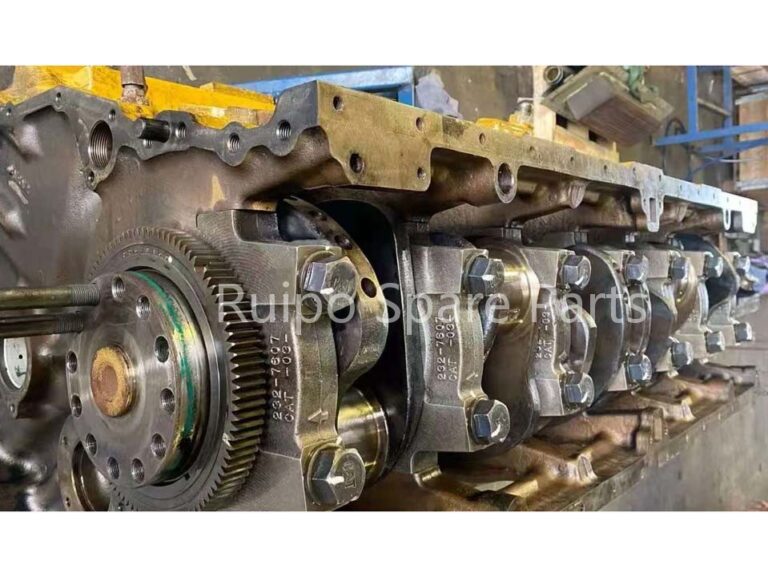
An excavator engine usually starts asking for overhaul when multiple problems show up together: blow-by, weak compression, rising oil consumption, fuel dilution, coolant in oil, chronic overheating, blue smoke after warm-up, black smoke under load, hard starting, turbo leakage, derate codes, and ugly oil analysis trends.
One symptom can be a repair.
A pattern is a warning.
The Overhaul Red-Flag List
Watch for:
Blue smoke after warm-up
White smoke that doesn’t clear properly
Heavy black smoke under normal load
Oil consumption increasing every 250 hours
Coolant loss with no visible leak
Fuel dilution in engine oil
High iron, copper, lead, aluminum, or silicon in oil analysis
Turbo oil leakage
Hard cold starts
Weak power when hydraulics load up
Repeated ECM derate or temperature codes
Excessive crankcase pressure
The machine usually whispers before it screams.
People just keep digging.
Rebuild Economics: Sometimes High Hours Make Sense
A 10,000-hour machine is not automatically junk.
There. I said it.
Caterpillar reported in 2024 that Cat dealers had completed more than 50,000 Cat Certified Rebuilds since 1985. A complete Cat Certified Rebuild includes more than 350 tests and inspections, automatic replacement or reconditioning of about 7,000 parts, and a like-new machine warranty, according to Caterpillar’s article on Cat Certified Rebuilds and sustainability.
That number matters because it proves a simple point: durable equipment is often rebuilt, not discarded.
But don’t get romantic about rebuilds. An engine rebuild only makes sense if the rest of the excavator deserves the money. Frame, boom, stick, pins, bushings, swing bearing, final drives, pumps, cylinders, wiring, undercarriage — all of it has to be judged.
Otherwise you’re putting a fresh engine into a tired carcass.
Looks brave. Costs badly.
My Buying Rule: Don’t Buy Hours, Buy Proof
I’ve watched buyers overpay for “low hours” and underpay for documented machines because the paint wasn’t pretty.
Backwards thinking.
If I’m buying for import, resale, rental fleet, or jobsite use, I don’t pay for the hour meter. I pay for evidence. Maintenance evidence. Cooling evidence. Oil evidence. ECM evidence. Wear evidence. Seller behavior too, because a nervous seller tells you plenty before the machine does.
Buying Signal
Good Sign
Bad Sign
Engine hours
Hours match machine condition
Low hours but heavy wear everywhere
Oil analysis
Stable wear metals, low soot, no coolant
Fuel dilution, silicon, coolant, rising metals
نظام التبريد
Clean core, strong fan, stable temperature
Blocked radiator, weak fan, overheating stains
Electronics
Clear monitor, readable codes, no chronic derate
Dead display, hidden faults, warning lights ignored
Maintenance proof
Invoices, dates, hour-based service
“Boss says it was serviced”
Hydraulic behavior
Smooth response, no abnormal load
Slow function, heat, pressure complaints
Seller behavior
Allows inspection and testing
Rushes sale, avoids records, distracts with paint
A clean machine with a dirty story is still dirty.
Remember that.
الأسئلة الشائعة
How many hours does an excavator engine last?
A diesel excavator engine usually lasts about 6,000 to 10,000 hours before major overhaul risk becomes serious, but strong maintenance, clean fuel, stable cooling, and moderate duty cycles can push service life beyond 12,000 hours. Poor maintenance, overheating, dust, and severe hydraulic load can shorten life below 5,000 hours.
The irritating part is that both machines can look similar in photos. That’s why I don’t judge engine life from a listing. I judge it from service records, cold-start behavior, blow-by, oil analysis, cooling condition, ECM history, and whether the machine still pulls cleanly under hydraulic load.
Is 5000 hours a lot for an excavator?
Five thousand hours is not automatically a lot for an excavator, but it is enough time for poor maintenance, overheating, fuel contamination, and hydraulic abuse to create expensive hidden risk. A 5,000-hour machine with records can be attractive; a 5,000-hour machine with no proof should be priced cautiously.
I’d call 5,000 hours the “stop guessing” point. Below that, buyers get lazy. Above that, they get nervous. The smart move is neither. Inspect the cooling stack, scan the codes, test full hydraulic load, check blow-by, and make the seller prove the maintenance story.
What matters more: excavator engine hours or maintenance records?
Maintenance records matter more than excavator engine hours because they reveal whether the engine received oil service, coolant care, filtration, inspection, and repairs at the right intervals. Hours show usage time, but records show whether that time was managed correctly or allowed to become silent mechanical damage.
A low-hour machine with no service file is just a mystery with nice numbers. A higher-hour machine with oil reports, PM records, clean coolant history, and believable repairs may be the safer buy. Not always. But often enough that I refuse to ignore the paperwork.
When should a diesel excavator engine be overhauled?
A diesel excavator engine should be considered for overhaul when multiple symptoms appear together, including high blow-by, weak compression, heavy oil consumption, coolant contamination, metal in oil analysis, chronic overheating, hard starting, unstable RPM, excessive smoke, or repeated ECM derate codes under normal working load.
Don’t overhaul because of hours alone. Overhaul because the evidence points there. Compression, crankcase pressure, oil trend data, cooling history, fuel system behavior, and load performance should all tell the same story before you spend serious money.
What is the biggest cause of short excavator engine lifespan?
The biggest cause of short excavator engine lifespan is usually heat combined with poor maintenance, because overheating, dirty oil, clogged filters, contaminated fuel, and neglected cooling systems accelerate wear across pistons, rings, bearings, turbochargers, seals, and aftertreatment components. Dust and severe hydraulic load make the damage faster.
I’d put cooling neglect near the top of the list. People notice smoke. They notice noise. They don’t always notice a radiator stack slowly choking behind the grille until the machine starts running warm, losing power, or throwing temperature-related faults.
Should I buy a used excavator with 10,000 hours?
A used excavator with 10,000 hours can be worth buying only if the machine has strong maintenance records, clean inspection results, stable engine performance, acceptable hydraulic condition, and rebuild economics that still make sense. Without proof, 10,000 hours should be treated as a high-risk purchase, not a bargain.
At 10,000 hours, I want the whole machine inspected, not just the engine. Pumps, final drives, swing system, cylinders, pins, bushings, undercarriage, wiring, cooling package, and monitor history all matter. If the rest of the machine is tired, an engine rebuild may just hide a bigger problem.
Your Next Steps Before You Buy or Rebuild
Don’t buy the hour meter.
Buy the evidence.
Before committing capital to a used excavator, demand the service file, inspect the cooling system, scan the monitor and ECM, test the machine under real hydraulic load, check blow-by, review oil analysis, and price the machine against realistic overhaul risk. If the seller can’t prove the engine’s story, negotiate as if you’ll be paying for the missing chapters.
And if you already operate Caterpillar excavators, protect diesel excavator engine life with the parts that control heat, hydraulic load, and electronic response: genuine hydraulic control components, working display monitors, reliable radiator fan systems, and correct governor actuators.
That’s not over-maintenance.
That’s how iron keeps earning after the easy hours are gone.