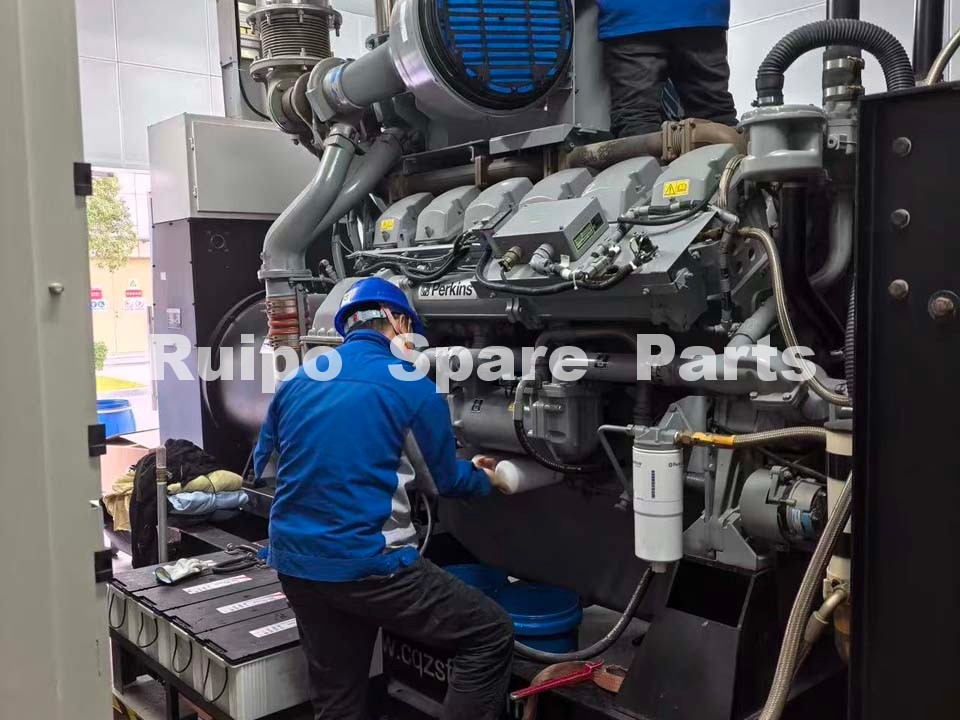
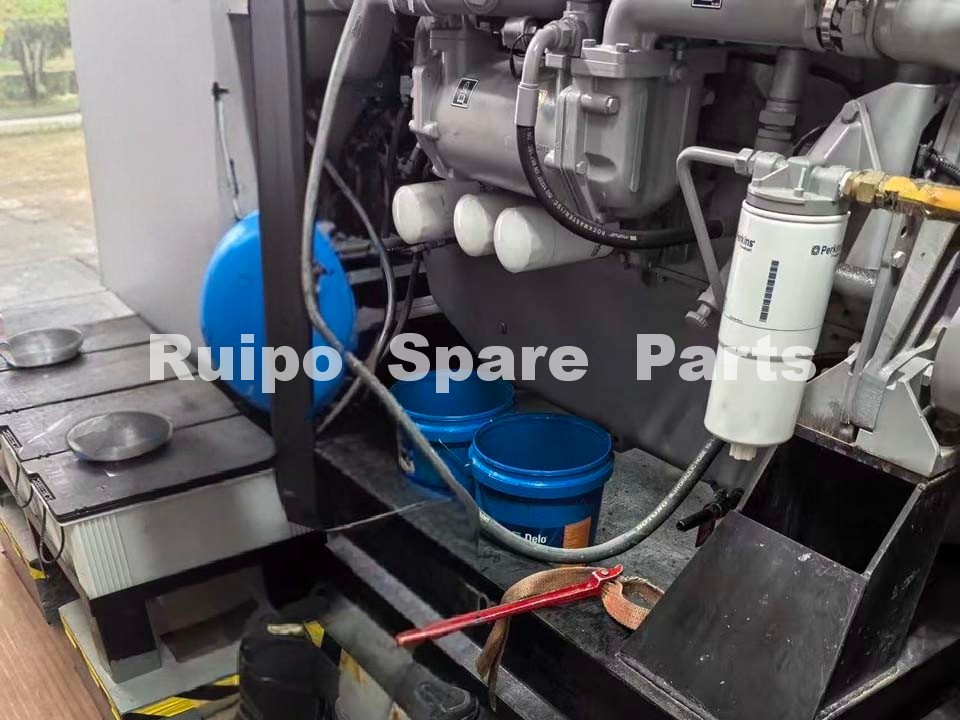
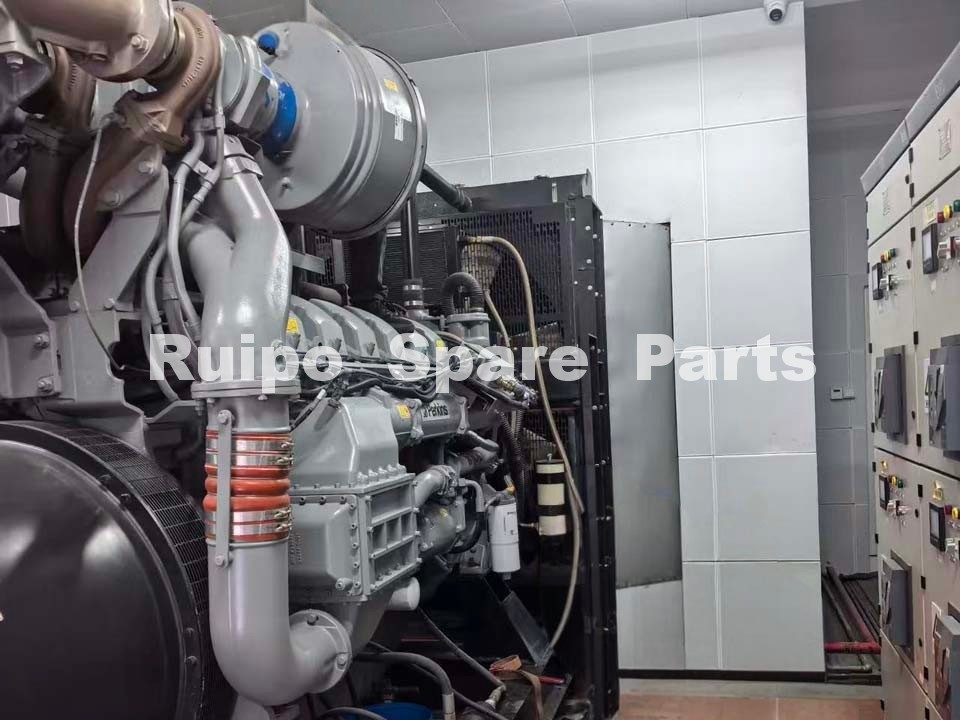
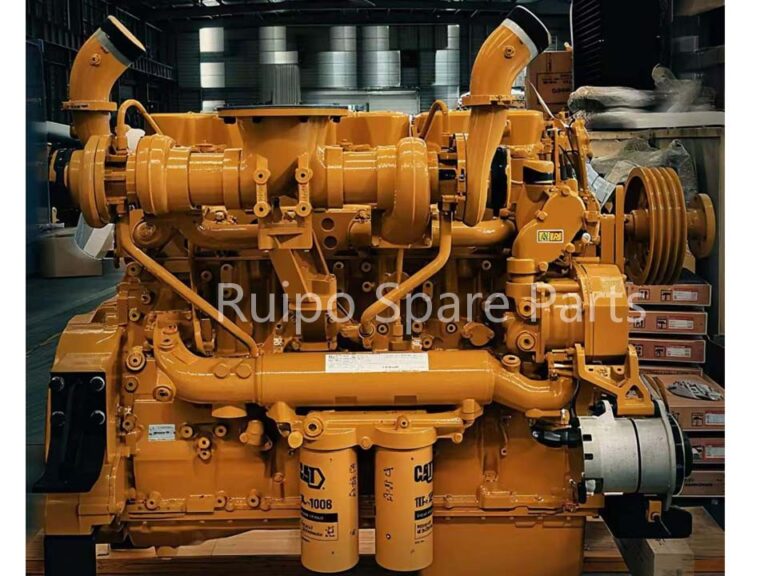
“Der Lieferant bot uns eine echte Lösung für Ersatzteile aus einer Hand. Das Team hat die richtigen Caterpillar-, Perkins- und Filterteile für unsere Ausrüstung gefunden, und der Support war von der Anfrage bis zur Lieferung schnell und professionell.”
Leiter des Beschaffungswesens
Schwermaschinenteile Projekte
WAS ANDERE über uns SAGEN
“Der Lieferant bot uns eine echte Lösung für Ersatzteile aus einer Hand. Das Team hat die richtigen Caterpillar-, Perkins- und Filterteile für unsere Ausrüstung gefunden, und der Support war von der Anfrage bis zur Lieferung schnell und professionell.”
Lebensdauer von Dieselgeneratoren: Erwartungen bei Notstromversorgung vs. Hauptstromversorgung
Fragen Wie lange hält ein Dieselgenerator?, und die übliche Antwort klingt beruhigend: 20.000 Stunden. Vielleicht 30.000. Möglicherweise 15 bis 30 Jahre.
Inhaltsübersicht
Diese Zahlen sind nicht aus der Luft gegriffen. Caterpillar gibt derzeit an, dass seine Dieselgeneratoren für den gewerblichen und industriellen Einsatz eine Lebensdauer von 15–30 Jahre und 20.000–30.000 Betriebsstunden. Doch in dieser Anleitung verbirgt sich ein gefährliches Wort: kann. Es handelt sich hierbei nicht um einen allgemeingültigen Wartungsplan, und es bedeutet keineswegs, dass ein Notstromaggregat mit 2.000 Betriebsstunden mechanisch mit einer Hauptstrommaschine mit demselben Betriebsstundenzähler gleichzusetzen ist. Leitfaden von Caterpillar zu Dieselgeneratoren bietet einen nützlichen Branchenvergleich, ist jedoch kein Freibrief für die Lebensdauer des Motors.
Stunden können manchmal täuschen.
Ein 14 Jahre alter Notstromgenerator mit 900 Betriebsstunden hat möglicherweise den größten Teil seiner Lebensdauer damit verbracht, durch die chemischen Vorgänge im Kühlmittel, Dichtungen, Schläuche, elektrische Verbindungen, Batterien, den Kraftstoffvorrat und Hunderte von Kaltstarts, während ein viel jüngeres Hauptaggregat möglicherweise 12.000 oder 15.000 Betriebsstunden bei normaler Temperatur, vorhersehbarer Auslastung und streng kontrollierten Wartungsintervallen geleistet hat.
Welche Maschine ist also eigentlich jünger?
Das ist die Frage, die sich gewerbliche Einkäufer stellen sollten.
Meine Arbeitsregel ist einfach: Verlassen Sie sich bei der Einschätzung der Lebensdauer eines Dieselgenerators niemals ausschließlich auf den Betriebsstundenzähler. Reserveaggregate sind oft Maschinen mit einer begrenzten Lebensdauer, die als Anlagen mit geringer Betriebsstundenzahl getarnt sind. Hauptaggregate sind Maschinen mit hoher Betriebsstundenzahl, die als gewöhnliche Generatorsätze getarnt sind.
Der Einschaltfaktor des Generators verändert fast alles.
Die Lebensdauer eines Dieselgenerators lässt sich eigentlich in zwei verschiedene Zeiträume unterteilen
Die erste Uhr ist offensichtlich: Betriebsstunden des Dieselgenerators.
Der zweite Punkt wird ignoriert: die Sichtbarkeit im Kalender.
Bei einer Primärstromflotte, die ein Bergwerk, eine abgelegene Industrieanlage, einen Steinbruch, ein Ölfeld oder ein isoliertes Stromnetz versorgt, vergeht die Betriebsstundenzahl unerbittlich schnell. Sechstausend Stunden pro Jahr sind als Planungsszenario keine Seltenheit. Bei dieser Auslastung ist ein theoretischer Richtwert von 20.000 Stunden in etwa 3,3 Jahren aufgebraucht.
Bei einem Reserveaggregat kann es genau umgekehrt sein. Es kann monatelang stillstehen, nur gelegentlich in Betrieb genommen werden, gelegentliche Ausfälle überstehen und dabei nur sehr wenige Betriebsstunden ansammeln. Dennoch altert das Kühlmittel. Die elektrischen Kontakte korrodieren dennoch. Der Gummi verhärtet sich dennoch. Der gelagerte Brennstoff muss dennoch verwaltet werden.
Deshalb Lebensdauer eines Dieselgenerators und Wartungsintervall für Dieselgeneratoren sollten niemals als Synonyme betrachtet werden.
Ein Generator kann nach einer Motorüberholung weiterhin in Betrieb bleiben. Und ein scheinbar einwandfreier Motor kann sich in einem Generatoraggregat befinden, dessen Kühlung, Steuerung, Startsystem oder elektrische Komponenten zunehmend an Zuverlässigkeit verlieren.
Was in den Bewertungsdefinitionen von Caterpillar tatsächlich steht
Die von Caterpillar veröffentlichten Leistungsangaben verdeutlichen den Unterschied zwischen „Standby“ und „Prime“ besonders deutlich. Ein Generator mit der Einstufung „Standby“ ist für schwankende Lasten während einer Unterbrechung der normalen Stromversorgung vorgesehen, wobei Durchschnittliche Auslastung des 70%, typischer Betrieb bei etwa 200 Stunden pro Jahr, und die maximal zu erwartende Nutzung von 500 Stunden pro Jahr. Die Notstromversorgung ist knapper bemessen: ungefähr 50 typische Stunden und 200 maximal zu erwartende Stunden pro Jahr.
Prime ist eine ganz andere Sache. Caterpillar definiert den Prime-Betrieb als variierende Last für einen unbegrenzte Stundenzahl pro Jahr, wobei die durchschnittliche Leistung in der Regel 70% der Nennleistung nicht überschreiten darf; die Richtlinien lassen unter bestimmten Bedingungen auch eine begrenzte Notüberlastung zu. Definitionen der Nennleistungen von Caterpillar-Stromaggregaten den Unterschied genau darlegen.
Das ist kein geringfügiger Unterschied in der Spezifikationstabelle.
Das verändert das Lebensmodell.
Notstromaggregat vs. Hauptstromaggregat: Die Zahlen, die Käufer vergleichen sollten
Faktor
Notstromaggregat
Prime-Stromgenerator
Hauptberuf
Notstromversorgung bei Ausfall der normalen Stromversorgung
Hauptstromversorgung bei schwankender Last
Auf Basis der jährlichen Laufzeit
Richtwert für Katzen: in der Regel ca. 200 Stunden/Jahr; maximal zu erwarten sind 500 Stunden/Jahr
Unbegrenzte jährliche Flugstunden unter den Bedingungen der Prime-Einstufung
Richtwerte für die typische durchschnittliche Belastung
Unter der Annahme, dass wenige Betriebsstunden einen geringen Verschleiß bedeuten
Umstellung der Budgetierung auf das Kalenderjahr statt auf Stunden
Wartungsauslöser
Sowohl Kalender als auch Öffnungszeiten
Die Stunden vergehen wie im Flug; Zustandsdaten gewinnen zunehmend an Wert
Planung von Überholungsarbeiten
Häufig sind sie modell- und zustandsabhängig, bevor die Werte extreme Ausmaße annehmen
Die maschinenspezifische, auf Betriebsstunden basierende Reserve gewinnt deutlich an Bedeutung
Frage des Käufers
“Wird es nach Jahren des Wartens endlich anspringen und Last tragen?”
“Wie viele zuverlässige Betriebsstunden bleiben noch bis zu größeren Wartungsarbeiten?”
Die Tabelle sieht einfach aus. Die wirtschaftlichen Auswirkungen sind es jedoch nicht.
Das 400-Jahre-Paradoxon
Betrachten wir einmal eine echte Standby-Anwendung.
Perkins dokumentierte eine 4012-46TAG2A, mit einer Nennleistung von 1.650 kVA, installiert für den Bereitschaftsbetrieb in der Indaver-Müllverbrennungsanlage in der Grafschaft Meath, Irland. In der veröffentlichten Fallstudie wird der durchschnittliche Betrieb wie folgt angegeben: bis zu 50 Stunden pro Jahr.
Nehmen wir nun rein zur Veranschaulichung die Untergrenze des von Caterpillar angegebenen Richtwerts für eine Lebensdauer von 20.000 Stunden:
20.000 Stunden ÷ 50 Stunden/Jahr = 400 Jahre.
Natürlich sollte niemand eine Lebensdauer des Generators von 400 Jahren prognostizieren.
Dieses absurde Ergebnis macht die Schwäche von Prognosen, die sich ausschließlich auf Betriebsstunden stützen, deutlich. Standby-Geräte können wirtschaftlich oder betrieblich veraltet sein, lange bevor sie den Status von Geräten mit hoher Betriebsstundenzahl erreichen. Die Berechnung stammt von mir; der zugrunde liegende Vergleich der Betriebsstunden basiert auf den vom Hersteller veröffentlichten Anwendungshinweisen und Angaben zur Lebensdauer.
Und das ist die bittere Wahrheit hinter vielen gebrauchten Notstromaggregaten, die mit “sehr wenigen Betriebsstunden” beworben werden. Geringe Betriebsstunden sind zwar eine nützliche Information, stellen jedoch keine Aussage über den Zustand des Geräts dar.
Die Lebensdauer von Prime Power lässt den Betriebsstundenzähler schnell ansteigen
Prime Power verzeiht nachlässige Budgetplanung weitaus weniger.
Bei 6.000 Betriebsstunden pro Jahr:
10.000 Stunden sind in etwa 1,7 Jahren erreicht.
15.000 Stunden sind in 2,5 Jahren erreicht.
20.000 Stunden sind in etwa 3,3 Jahren erreicht.
30.000 Stunden sind in 5 Jahren erreicht.
Bei 8.000 Stunden pro Jahr sind 20.000 Betriebsstunden bereits nach 2,5 Jahren erreicht.
Das sind keine Vorschläge für eine Grundsanierung. Es handelt sich um Planungsberechnungen, und das ist ein wichtiger Unterschied. Die eigentliche Wartungsintervall für Dieselgeneratoren Dazu gehören die spezifische Motorkonfiguration, die Nennleistung, die Wartungshistorie, die Ölanalyse, die Lastentwicklung sowie die Wartungsunterlagen des Herstellers.
Dennoch liefern uns die Hersteller nützliche Einblicke in die Realität.
Perkins dokumentierte Aggregate in der Gold- und Silbermine Inmaculada in den peruanischen Anden, wo die Anlagen mit einer Leistung von etwa 4.500–5.400 Meter Höhe. Der Fallstudie zufolge wurden die Motoren alle 250 Stunden Aufgrund der rauen Einsatzbedingungen mussten die Kraftstofffilter häufiger gewartet werden, da es während des Transports zu Verunreinigungen kam. Perkins berichtete 6.000 Stunden Dauerbetrieb, wobei die Züge nur kurz für routinemäßige Wartungsarbeiten anhalten. Fallstudie zum Bergwerk Perkins Inmaculada ist ein weitaus aussagekräftigeres Beispiel für die Lebensdauer von Prime-Power-Produkten als eine allgemeine Angabe der “Betriebsjahre”.
Beachten Sie, was uns die Fallstudie verrät.
Keine magische Metallurgie. Wartungsintensität.
Ein Wartungsintervall von 250 Stunden bedeutet 24 planmäßige Wartungstermine alle 6.000 Betriebsstunden. Käufer von Notstromaggregaten, die zwar den Preis des Generators berücksichtigen, aber die Kosten für die regelmäßige Wartung außer Acht lassen, schätzen nicht die Lebenszykluskosten ein. Sie schätzen lediglich die Anschaffungskosten.
Drei Signale aus den Jahren 2023–2024, die die Diskussion über den Standby-Modus verändert haben
Das altbekannte Bild von Notstromaggregaten ist einfach: Der Stromausfall tritt ein, der Dieselmotor springt an, die Stromversorgung kehrt zurück, der Dieselmotor schaltet sich aus.
Die Realität wird immer chaotischer.
1. Die Entscheidung der EPA aus dem Jahr 2023 zum Holmes Medical Center: Die Einstufung der Aufgaben kann eine rechtliche Grenze darstellen
Am 5. Oktober 2023 nahm die US-Umweltschutzbehörde (EPA) zu einem Antrag auf Änderung der Nutzungsart für zwei Notstromaggregate im Holmes Regional Medical Center in Melbourne, Florida, Stellung.
Das waren keine kleinen Maschinen. Jeder Generator war 1,97 MW, mechanisch angetrieben durch einen Caterpillar 3512C V-12 mit einer Nennleistung von 2.635 Brems-PS und am 12. August 2020 hergestellt.
Das Krankenhaus erwog, von einem Notbetrieb auf eine routinemäßige Einspeisung von Strom ins Netz umzustellen. Die Schlussfolgerung der EPA war eindeutig: Die vorhandenen Notstromaggregate erfüllten Stufe 2 Anforderungen, während Motoren desselben Modelljahres und derselben Leistung, die nicht für Notfälle bestimmt sind, folgenden Anforderungen unterliegen würden: Stufe 4 Anforderungen. Die Einheiten mussten daher im Notdienst verbleiben.
Die EPA erklärte außerdem, dass stationäre Notmotoren in echten Notfällen ohne zeitliche Begrenzung betrieben werden dürfen, während Wartungs- und Bereitschaftstests in der Regel auf 100 Stunden pro Kalenderjahr, mit bis zu 50 Stunden zulässiger Betrieb außerhalb von Notfällen die in diesem Freibetrag enthalten sind und zusätzlichen Einschränkungen unterliegen. Lesen Sie die Entscheidung der EPA vom 5. Oktober 2023 zum Holmes Regional Medical Center.
Warum ist das für einen Artikel über die Lebensdauer von Bedeutung?
Weil Notstromaggregat vs. Hauptstromaggregat Die Klassifizierung ist nicht nur eine Kennzeichnung für Wartungszwecke. In einigen Rechtsordnungen und Konfigurationen hat sie Auswirkungen darauf, wozu der Motor rechtlich zugelassen ist.
Der Kauf einer Anlage, die für den Notbetrieb ausgelegt ist, und die spätere Entscheidung, diese als Hauptstromquelle zu nutzen, kann zu einem Problem hinsichtlich der Einhaltung der Vorschriften führen, noch bevor ein technisches Problem auftritt.
2. Der Bericht des DOE über Rechenzentren aus dem Jahr 2024 hat dieselbe Spannung aufgezeigt
Im Juli 2024 befasste sich der Beirat des Energieministers des US-Energieministeriums mit dem Strombedarf von Rechenzentren und der Notstromversorgung.
In dem Bericht wurde festgestellt, dass Rechenzentren nach wie vor stützen sich bei der Notstromversorgung weitgehend auf Dieselgeneratoren. Noch interessanter war, dass darin die Möglichkeit erörtert wurde, in Gebieten mit Übertragungsengpässen Reservekapazitäten zu nutzen, wobei gleichzeitig darauf hingewiesen wurde, dass Typischerweise erlauben Genehmigungen nur den Notbetrieb von Diesel-Notstromaggregaten..
Dieser Satz sollte über jeder Kalkulationstabelle angebracht werden, die davon ausgeht, dass ungenutzte Megawatt im Standby-Modus einfach in einsetzbare Spitzenleistung umgewandelt werden können.
3. Reuters berichtete von 1,2 Milliarden Ausfallstunden in den USA innerhalb von neun Monaten
Es kann auch vorkommen, dass Reserveanlagen häufiger zum Einsatz kommen, als in den bisherigen Wartungsbudgets vorgesehen war.
Reuters berichtete im Oktober 2024, dass laut Aaron Jagdfeld, dem CEO von Generac, die Vereinigten Staaten insgesamt 1,2 Milliarden Ausfallstunden in den ersten neun Monaten des Jahres 2024, der niedrigste Stand seit Beginn der Erfassung dieser Kennzahl durch Generac im Jahr 2010. Die Hurrikane Beryl, Helene und Milton trugen zur Nachfrage nach Stromgeneratoren bei, und das Unternehmen plante, etwa 400 Arbeitnehmer. Reuters-Bericht zur Generatorbranche vom Oktober 2024 liefert die Zahlen.
Ich würde den Ausfall-Tracker eines Generatorherstellers nicht als nationalen technischen Standard heranziehen. Aber ich würde ihn auf jeden Fall als Warnung davor nutzen, die Annahme bezüglich der jährlichen Standby-Stunden aus dem letzten Jahrzehnt blind in die Wartungsreserve für die nächsten fünf Jahre zu übernehmen.
Das Betriebsprofil kann sich ändern.
Das dürfte sich in Ihrem Budget bemerkbar machen.
Was verkürzt eigentlich die Lebensdauer eines Dieselgenerators?
Die Leute lieben einfache Antworten: Hitze, schlechtes Öl, minderwertiger Kraftstoff.
Echte Misserfolge sind meist weniger übersichtlich.
Eine chronische Lichtbelastung kann schwerwiegender sein, als Käufer erwarten
Dieselmotoren benötigen eine angemessene Last.
Caterpillar warnt davor, dass ein längerer Betrieb unterhalb von etwa 30%-Last kann bei bestimmten Dieselgeneratoranwendungen zur „Wet-Stacking“-Bildung beitragen. In den veröffentlichten Leitlinien zum Thema Unterauslastung wird zudem empfohlen, einen Dieselgenerator nach längerem Betrieb unter geringer Last auf mindestens etwa 30% für etwa 30 Minuten pro vier Stunden Betrieb unter geringer Last, vorbehaltlich modellspezifischer Anweisungen.
Dies führt zu einem Ergebnis, das auf den ersten Blick etwas überraschend erscheint: Ein Notstromaggregat mit wenigen Betriebsstunden hat nicht unbedingt ein „leichtes Leben“ hinter sich, wenn der Großteil dieser Stunden bei geringer Testlast geleistet wurde.
“Kaum benutzt” kann eine unglückliche Marketingformulierung sein.
Die Kalenderpflege wird nicht unterbrochen, wenn der Betriebsstundenzähler stoppt
Hersteller knüpfen Wartungsmaßnahmen in der Regel an Stunden oder verstrichene Kalenderzeit, je nachdem, welche Bedingung zuerst eintritt.
Perkins erklärt beispielsweise, dass planmäßige Überprüfungen entweder auf der Kalenderzeit oder auf den Betriebsstunden basieren können, und nennt Kühlmittel als ein Beispiel, bei dem sowohl die Zeit als auch die gesammelten Betriebsstunden eine Rolle spielen.
Genau aus diesem Grund mag ich Bewertungsangaben wie “nur 1.200 Betriebsstunden” nicht, wenn sie ohne Wartungsprotokolle angegeben werden.
Sag mir, wie alt du bist.
Erzählen Sie mir etwas über die Geschichte der Lastbank.
Teilen Sie mir bitte mit, wann das Kühlmittel gewechselt wurde, wie sich die Startspannung entwickelt, ob eine Kraftstoffprobe entnommen wurde und ob das Kühlsystem an einem Tag mit 40 °C die Wärme bei Volllast noch abführen kann.
Dann kommt der Betriebsstundenzähler zum Einsatz.
Turbolader gehören in das Lebenszyklusbudget und nicht nur in das Ausfallbudget
Bei turbogeladenen Industriedieselmotoren konzentriert sich die Diskussion über die Lebensdauer des Motors oft auf Zylinderlaufbuchsen, Kolben, Lager und Einspritzdüsen, während das Luftsystem als zweitrangiges Thema behandelt wird.
Diese Abrechnung gefällt mir nicht.
Wenn eine Flotte Maschinen mit CAT C18-Motoren zur Stromerzeugung einsetzt, bietet ein geplantes größeres Wartungsfenster auch die Gelegenheit, die Teilenummer des Turboladers zu überprüfen, den Luftkanal zu inspizieren und hochwertige Bauteile vorzubereiten, bevor eine Abschaltung dringend erforderlich wird. RUIPO’s CAT 302-7448 Turbolader für C18-Motoren ist für C18-Anwendungen, einschließlich Stromerzeugungsanlagen, zugelassen.
Auch C13-Flotten verdienen dieselbe Disziplin. Die Turboladerbaugruppe CAT 247-2964 für C13-Motoren ist für C13-Anwendungen in industriellen Betriebsumgebungen, einschließlich der Stromerzeugung, vorgesehen.
Bei Fuhrparks mit kleineren Maschinen mit C6.4- und C7-Motoren kann die Wartungsplanung ebenfalls Folgendes umfassen: CAT 4501418 Turbolader für C6.4- und C7-Motoren wenn die überprüfte Motornummer und die Teiledaten den Einsatz dieses Bauteils erfordern.
Es geht nicht darum, Teile blindlings aufgrund ihres Alters auszutauschen.
Es geht darum, nicht länger so zu tun, als bedeute die Planung einer Generalüberholung, dass man erst dann einen Überholungssatz bestellt, wenn die Maschine bereits außer Betrieb ist.
Eine bessere Methode zur Vorhersage des Überholungsintervalls für Dieselgeneratoren
Wenn ich einen Bestand an Industriegeneratoren überprüfen würde, würde ich die Prognose in fünf Zahlen unterteilen.
1. Aktuelle Betriebsstunden
Offensichtlich, aber nicht ausreichend.
Tragen Sie die Gesamtbetriebsstunden sowie die in den letzten 12 Monaten geleisteten Betriebsstunden ein. Bei einer Maschine mit 8.000 Betriebsstunden hat dies eine ganz andere Bedeutung, je nachdem, ob im letzten Jahr 300 oder 6.500 Stunden dazugekommen sind.
2. Einschaltdauer des Generators
Erfassen Sie die tatsächliche Nennleistung und den tatsächlichen Verbrauch:
ESP, Standby, Prime, zeitlich begrenzt oder kontinuierlich.
Verlassen Sie sich nicht darauf, was jemand vor zehn Jahren in eine Tabellenkalkulation zur Anlagenverwaltung eingegeben hat. Vergleichen Sie die Typenschildangaben, die Motorauslegung und das aktuelle Betriebsmuster mit den Leistungsangaben des Herstellers. Die aktuellen Richtlinien von Caterpillar unterscheiden beispielsweise zwischen den erwarteten jährlichen Betriebsstundengrenzen für den Standby-Betrieb und dem unbegrenzten Einsatz bei variabler Last im Prime-Betrieb.
3. Tatsächliches Lastprofil
Allein die jährlichen Arbeitsstunden verschleiern Missbrauch.
Ich würde mir wünschen:
durchschnittliche Leistung in kW,
Spitzenleistung in kW,
Anteil der Zeit, in der die Last unter 30% liegt,
Anzahl der Starts,
Kaltstartbelastung,
Ergebnisse der Lastbank-Prüfung,
Umgebungstemperatur,
Höhe,
sowie etwaige Überlastungsereignisse.
Ein Generator, der 5.000 Betriebsstunden unter normalen Lastbedingungen absolviert hat, ist nicht mit einem Generator gleichzusetzen, der 5.000 Stunden unter den Einflüssen von Staub, Kraftstoffverunreinigungen, Höhenlage und chronischer Unterauslastung gelaufen ist.
4. Wartungsintensität
Die Wartung sollte alle 1.000 Betriebsstunden erfolgen und nicht nur “regelmäßig” durchgeführt werden.”
Das Beispiel der Perkins-Mine ist aufschlussreich, da es eine konkrete Zahl liefert: 250-Stunden-Wartung in einer anspruchsvollen Umgebung in großer Höhe.
Das sind verwertbare Daten.
“Vollständige Wartungshistorie” ist es nicht.
5. Generalüberholungsrückstellung pro Betriebsstunde
Bei Flotten mit Primärstromversorgung bevorzuge ich eine stundenbasierte Reserve.
Angenommen, Ihre genehmigte interne Planungsannahme für den nächsten größeren Motoreneinsatz beträgt 20.000 Stunden. Wenn die Maschine bereits 12.000 Stunden auf dem Tacho hat, dann 60% dieses Planungsintervalls wurde bereits verbraucht.
Wenn es jährlich weitere 6.000 Stunden in Betrieb ist, reicht die verbleibende Reserve von 8.000 Stunden nur noch etwa 16 Monate.
Auch hier gilt: Die Angabe von 20.000 Stunden in diesem Beispiel ist keine allgemeingültige Anforderung für den Motor. Ersetzen Sie diese durch das für den jeweiligen Motor und das jeweilige Betriebsprofil bestätigte Intervall.
Aber die Methode ist stichhaltig.
Dadurch werden die Finanz- und die Instandhaltungsabteilung dazu gebracht, dieselbe Sprache zu sprechen.
Was potenzielle Käufer im Hintergrund beachten sollten, anstatt sich nur auf die Öffnungszeiten zu konzentrieren
Eine Standby-Flotte benötigt ein anderes Dashboard.
Ich würde Folgendes nachverfolgen:
Metrisch
Warum das wichtig ist
Kalenderalter
Erfasst Alterungserscheinungen, die der Betriebsstundenzähler nicht erfassen kann
Betriebsstunden des Motors
Zeigt das tatsächliche Ausfall- und Testrisiko an
Jährliche Arbeitsstunden
Zeigt an, ob der Stromverbrauch im Standby-Modus steigt
Anzahl der Starts
Unterscheidet zwischen häufigem Radfahren und langen, gleichmäßigen Läufen
Leistung im Lasttest
Zeigt an, ob das Fahrzeug tatsächlich Nutzlast befördern kann
Kraftstoffzustand
Die Speicherung kann zu einem Zuverlässigkeitsproblem werden
Alter/Betriebsdauer des Kühlsystems
Die termingesteuerte Wartung gilt weiterhin
Zustand der Batterie und des Anlassers
Ein einwandfreier Motor nützt nichts, wenn er nicht anspringt.
Zustand des Turboladers/Luftsystems
Planung hochwertiger Komponenten vor größeren Stillständen
Regulatorische Betriebskategorie
Verhindert, dass für Notfälle vorgesehene Vermögenswerte unter einer falschen Annahmenlage eingesetzt werden
Hier ist, wo Lebensdauer eines Notstromaggregats wird komplizierter als die Primzahlpotenz.
Ein erstklassiges Gerät zeigt dir, dass es in die Jahre kommt. Der Betriebsstundenzähler läuft auf Hochtouren.
Ein Standby-Gerät kann unbemerkt altern.
Was Käufer von Prime-Power im Auge behalten sollten
Die Spitzenleistung ist zwar weniger geheimnisvoll, aber teurer, wenn Planer nachlässig werden.
Ansehen:
Stunden pro Monat,
Kraftstoffverbrauch pro Betriebsstunde,
Trend der Ölanalyse,
Zustand des Kühlmittels,
Auslastungsgrad,
Abgas- und Ladedruckverläufe, sofern verfügbar,
Filterverbrauch,
Häufigkeit der Wartungsarbeiten,
geplante Ausfallzeiten,
gegebenenfalls Angaben zu Zylinder oder Verdichtung,
Zustand des Turboladers,
und die verbleibenden Stunden bis zum nächsten modellspezifischen größeren Eingriff.
Dann wandle den erwarteten Wert um Betriebsstunden des Dieselgenerators in Geld.
Wenn ein abgelegenes Bergwerk im nächsten Jahr mit 7.000 Betriebsstunden rechnet, sollte sein Wartungsbudget nicht im Entferntesten dem einer Krankenhaus-Bereitschaftsstation ähneln, die mit 70 Stunden rechnet.
Ein gewerblicher oder industrieller Dieselgenerator kann gemäß den allgemeinen, von Caterpillar veröffentlichten Richtwerten eine Lebensdauer von etwa 15 bis 30 Jahren und 20.000 bis 30.000 Betriebsstunden erreichen, doch die tatsächliche Lebensdauer hängt von der Nennleistung, dem Lastprofil, der Wartungsdisziplin, den Umgebungsbedingungen, Kraftstoffqualität, der Anzahl der Starts, der Lagerdauer sowie davon, ob die Alterung hauptsächlich durch die Kalenderzeit oder die Betriebsstunden bestimmt wird.
Betrachten Sie diese Zahlen eher als Planungsgrenzen denn als automatischen Wartungsplan. Ein stark ausgelasteter Hauptgenerator kann innerhalb weniger Jahre 20.000 Betriebsstunden erreichen, während ein Notstromaggregat bereits nach einem Bruchteil dieser Laufzeit ein fortgeschrittenes Alter erreichen kann.
Wie lange ist die typische Lebensdauer eines Notstromaggregats?
Die Lebensdauer eines Notstromaggregats hängt in der Regel stärker vom kalendarischen Alter und dem Betriebszustand ab als von der Gesamtbetriebsstundenzahl, da Notstromaggregate möglicherweise nur einige Dutzend oder einige Hundert Stunden pro Jahr in Betrieb sind; daher sollte ein niedriger Betriebsstundenzählerstand niemals als Beweis dafür angesehen werden, dass Kühlmittel, Schläuche, Batterien, Kraftstoff, Steuerungen, Dichtungen und Teile des Druckluftsystems ebenso jung sind.
Die Standby-Richtwerte von Caterpillar gehen von etwa 200 typischen Betriebsstunden pro Jahr und maximal 500 erwarteten Betriebsstunden aus, während die ESP-Richtwerte niedriger liegen. Aus diesem Grund sind Wartungsunterlagen und die Belastungsprüfungshistorie bei der Bewertung älterer Maschinen mit geringer Betriebsstundenzahl von so großer Bedeutung.
Wie lange beträgt die typische Lebensdauer eines Notstromaggregats?
Die Lebensdauer eines Primärstromerzeugers lässt sich am besten in Betriebsstunden und Überholungszyklen ausdrücken und nicht in Kalenderjahren, da Anlagen mit Primärleistung bei unterschiedlicher Auslastung eine unbegrenzte Anzahl von Betriebsstunden pro Jahr leisten können. Daher sind Wartungsintervalle, der Auslastungsgrad, die Kraftstoffreinheit, der Ölzustand, die Kühlleistung und die modellspezifische Überholungsplanung weitaus wichtiger als das Installationsdatum allein.
„Prime“ bedeutet nicht, dass die mechanische Lebensdauer unbegrenzt ist. Es bedeutet vielmehr, dass die Nennleistung für einen Langzeitbetrieb ausgelegt ist, sofern die festgelegten Bedingungen und Wartungsanforderungen erfüllt werden. Bei einer Maschine, die jährlich 6.000 bis 8.000 Stunden in Betrieb ist, können die Zeitfenster für die Generalüberholung sehr schnell vergehen.
Was ist das Überholungsintervall eines Dieselgenerators?
Das Überholungsintervall eines Dieselgenerators ist der motorspezifische Betriebsstunden- oder Zustandsgrenzwert, bei dessen Erreichen eine umfassende Inspektion und interne Erneuerungsarbeiten geplant sind. Es sollte nicht mit der Gesamtlebensdauer des Generators verwechselt werden, da der Generator, die Steuerungen, das Kühlsystem, das Startsystem, der Turbolader, das Kraftstoffsystem und die Verkabelung unterschiedlichen Verschleiß- oder Alterungskurven folgen können.
Verwenden Sie die exakten Angaben aus der Wartungsanleitung des Motors, die Nennleistung, die Konfiguration der Seriennummer und die Betriebshistorie. Allgemeine Angaben aus dem Internet können für die Budgetplanung nützlich sein, sollten jedoch nicht Vorrang vor modellspezifischen Wartungsinformationen oder Daten zum tatsächlichen Zustand haben.
Notstromaggregat vs. Hauptstromaggregat: Was hält länger?
Weder Reserve- noch Hauptstromaggregate halten automatisch länger: Reserveaggregate weisen in der Regel weniger Betriebsstunden auf, sind jedoch über mehr Kalenderjahre hinweg in Betrieb, während Hauptaggregate zwar schnell Betriebsstunden verbrauchen, aber unter warmer und konstanter Last laufen; ein besserer Vergleichsmaßstab sind der aktuelle Zustand, die Belastungsintensität über die gesamte Lebensdauer, die Wartungshistorie, die Umgebungsbedingungen, die Anzahl der Starts, die Überholungshistorie und die insgesamt gelieferte Energie.
Mit anderen Worten: “Jahre” verzerren tendenziell die Analyse der Nennleistung, während “Stunden” die Analyse der Reserve-Leistung verzerren können. Vergleichen Sie beide Zeitangaben.
Bilden Sie die Instandhaltungsrücklage, bevor der Generator sie für Sie bildet
Hier sind die Maßnahmen, die ich ergreifen würde, bevor ich das nächste Budget für Generatoren genehmige.
Aufzeichnung fünf Artikel pro Einheit: Leistungsklasse, Betriebsstunden, in den letzten 12 Monaten hinzugekommene Betriebsstunden, tatsächliches Lastprofil sowie das nächste geplante Wartungs- oder Überholungsfenster.
Dann teilt die Flotte auf.
Für Maschinen im Standby-Modus werden ein Kalendertag-Alterungs- und ein Betriebsbereitschaftsbudget festgelegt.
Für Primärantriebe wird ein Budget für Betriebsstunden und Überholungsreserven bereitgestellt.
Und hochwertige Motorteile sollten bereits vor dem Stilllegungstermin identifiziert werden, nicht erst, nachdem die Störungsmeldung eingegangen ist.
Für CAT-betriebene Industrieflotten kann RUIPO die Ersatzteilplanung auf der Grundlage geprüfter Motormodelle und Teilenummern unterstützen, einschließlich Original-Motorkomponenten für Wartungs- und Überholungsarbeiten. Senden Sie uns die Motortyp, Einsatzart des Generators, aktuelle Betriebsstunden, Seriennummer, benötigte Teilenummer und geplantes Wartungsdatum So kann der Teilebedarf überprüft werden, bevor Ausfallzeiten zum kostspieligsten Teil des Auftrags werden.
Denn die wichtige Frage lautet nicht mehr einfach nur:, “Wie lange hält ein Dieselgenerator?”
Es lautet: “Wie viele zuverlässige Betriebsstunden bleiben uns bei dem derzeitigen Einsatzzyklus noch?”