“Il fornitore ci ha fornito una vera e propria soluzione unica per i ricambi. Il loro team ha individuato i ricambi Caterpillar, Perkins e i filtri giusti per le nostre attrezzature e l'assistenza è stata rapida e professionale dalla richiesta alla consegna”.”
Responsabile acquisti
Progetti di ricambi per macchine pesanti
Cosa dicono di noi gli altri
“Il fornitore ci ha fornito una vera e propria soluzione unica per i ricambi. Il loro team ha individuato i ricambi Caterpillar, Perkins e i filtri giusti per le nostre attrezzature e l'assistenza è stata rapida e professionale dalla richiesta alla consegna”.”
What Causes Diesel Engines to Fail Early Even With Low Hours?
The hour meter reads just 2,000 hours.
The diesel engine looks practically brand new. No obvious leaks, no scary rattles, and the seller keeps pointing to that low number on the dash like it’s a guarantee.
A few rows over sits another machine with 10,000 hours on the clock. Its paint is faded. The engine bay looks worn out. Hardly anyone stops to ask about it.
But here’s the big catch.
That 2,000-hour engine could be the one heading straight for an expensive rebuild.
Low hours aren’t the problem. The hour meter just can’t tell the full story. It has no way of knowing if the machine sat damp in storage for three years, drank dirty diesel, overheated under load, or went through hundreds of short, cold idle cycles.
That’s the trap of shopping for used equipment based only on operating hours.
Diesel engine failure causes don’t always tie back to how long an engine has run. Bad storage habits, contaminated fuel, overheating, weak lubrication, and running on light load for too long can create serious internal damage — even when that hour count looks reassuring.
If you’re shopping for a used excavator, diesel generator or industrial engine, there’s one question worth asking before you haggle on price: What happened to this engine during those running hours — and what went on when it sat idle for months?
Indice dei contenuti
The Low-Hour Diesel Engine Trap: What the Meter Doesn’t Show
Buyers love seeing a low hour reading.
A 1,500-hour generator sounds safer than a 7,000-hour one. A 2,000-hour excavator feels less risky than one creeping toward 10,000 hours.
Sometimes that gut feeling checks out. Sometimes it costs you a fortune.
An hour meter only tracks runtime. It cannot log how many cold starts the engine survived, whether coolant temperatures spiked into the danger zone, or how much dust slipped past a poorly sealed air filter.
It won’t tell you if fuel diluted the crankcase oil. And it definitely won’t reveal if the machine spent two years parked near the coast, breathing in salty, moist air.
These quiet details make all the difference.
A Low-Hour Engine Can Still Live a Tough Life
Let’s imagine two industrial diesel engines side by side.
Engine 1 runs 8,000 hours under steady, sensible loads. It gets serviced on schedule, and oil analysis shows normal wear patterns.
Engine 2 only hits 2,000 hours, mostly in short bursts. It sits outside between jobs. Nobody keeps an eye on fuel quality, and maintenance only happens when someone finally remembers.
Which one has more life left?
You can’t know without a proper inspection. But I’d care far more about Engine 2’s service history than its attractive low-hour number.
This is where most low hour diesel engine problems start: buyers confuse “not used much” with “mechanically healthy.” Those two things are not the same.
Calendar Age Matters Just As Much
A generator that runs only 50 hours per year sounds like a maintenance manager’s dream. Barely any wear, right?
But what about the other 8,710 hours?
Maybe nothing goes wrong. Or maybe condensation slowly builds inside the fuel tank. Coolant hasn’t been tested in two years. No one remembers the last time the batteries were checked.
Standby generators need regular care even when they spend almost all their life waiting for a power cut — the U.S. Department of Energy notes this for backup equipment maintenance.
And this isn’t only for generators. Seasonal excavators, farm tractors and stationary industrial engines all run into storage-related headaches. A machine can sit untouched for months and still come back needing repairs.
The hour meter stays quiet. Hidden damage does not.
Low-hour gear is tricky to evaluate. Two engines with identical hour readings can carry totally different problems tucked under the valve cover.
Take a used generator with 1,800 hours. It fires up easily, idles smoothly and leaves no puddles on the ground. Looks great — until a load test reveals unstable coolant temps, or a fuel sample pulls out hidden water no one knew existed.
Wrong parts, wrong clearances or sloppy assembly trigger new failures
Repeated leaks, odd noises, unexplained overhaul work
Engine serial number, part invoices, rebuild measurements, repair history
The scary part isn’t any single fault on this list. It’s how quickly one problem snowballs into something worse.
A small coolant leak gets ignored. The engine runs hot on a tough job. Oil temperatures climb, lubrication breaks down, and a simple cooling system repair turns into a catastrophic engine failure.
Or picture an engine that sat for two years. The seller swaps the battery, pours in fresh fuel, and starts it up for you. It sounds perfectly smooth.
Would that be enough to convince you the bearings, injectors and cylinder liners are in good shape?
It wouldn’t convince me.
Low-hour engines deserve the same thorough mechanical check as high-hour units. Sometimes they need even more scrutiny, especially when storage and maintenance records are missing.
1. Poor Storage: Engines Degrade Even When They’re Not Running
Here’s a common scenario you’ll run into.
A contractor buys a standby generator, uses it occasionally, then parks it in a warehouse for three years. It barely ran, so everyone assumes it’s still in perfect condition.
Then someone tries to fire it back up.
The fuel system is contaminated. A seal starts leaking. Rust pops up in unexpected spots.
The engine has almost no runtime — but it still needs expensive repairs.
What Happens During Long-Term Storage?
Moisture is public enemy number one. Depending on where it’s stored, condensation can form inside fuel tanks and other closed spaces. Water mixing with diesel opens the door to corrosion and microbial growth.
Fuel oxidation is another big risk.
Cummins explains that fuel quality breaks down in storage. Water and microbes add extra risk, and diesel typically stays stable for only 6–12 months, depending on fuel type and storage conditions.
Don’t forget smaller soft parts either. Rubber hoses, shaft seals and gaskets age with time and exposure, whether the engine runs or not. A crankshaft seal doesn’t care what the hour meter says.
What I’d Want To See Before Buying
I don’t just want a quick line saying “stored indoors.” I want storage documentation. Was it preserved following the manufacturer’s guidelines? Was fuel treated or replaced regularly? Were openings sealed against moisture? Was the cooling system maintained?
If answers are vague, your physical inspection becomes extra important. Hunt for rust, contaminated fuel, cracked hoses and slow fluid leaks.
A quick startup only proves the engine can turn over. It can’t tell you what happened during years sitting idle.
Diesel injection hardware is not forgiving of dirt.
Modern high-pressure fuel systems rely on ultra-precise parts with tiny clearances. Once water or grit slips past filtration, damage happens fast. Repairs are costly, and the root cause can be hard to track down.
This is the hidden danger: a machine can have very low hours and still suffer severe fuel system damage.
Where Does Contamination Come From?
Sometimes the fuel is already dirty before it even reaches the tank: dirty bulk storage tanks, sloppy refueling habits, cracked tank seals letting rainwater in, or fuel left sitting untouched for months.
Neglected filters and water separators make it even worse.
Once contamination reaches the injectors and pump, parts start sticking and wearing. Fuel delivery becomes inconsistent. The engine may be hard to start, idle roughly, lose power or puff strange smoke.
That said: rough running doesn’t automatically mean bad injectors. Air leaks, faulty sensors and compression issues create nearly identical symptoms.
Why This Matters For Used Equipment Shoppers
Imagine a low-hour excavator that spent most of its life on a remote worksite. The owner changed engine oil on schedule but never paid attention to the diesel storage tank.
That doesn’t guarantee the fuel system is ruined — but it absolutely means fuel quality needs testing.
Cummins covers how particulate and water contamination wear down diesel fuel components. When you’re spending big money on a used engine, a fuel sample and filter service history mean far more than the seller saying “it starts right up.”
Starting well is not the same as being mechanically healthy.
3. Overheating: One Bad Hot Run Can Cost More Than Years Of Normal Use
Lots of damage starts with a cooling system fault that nobody fixes quickly: a leaky radiator hose, a failed cooling fan, or a clogged radiator core. Nothing looks dramatic — until the temperature keeps climbing.
What Excess Heat Does Inside A Diesel Engine
Diesel engines run under heavy thermal and mechanical stress. Once cooling fails, key components operate outside their safe temperature window.
Pistons can scuff and seize. Cylinder heads warp. Head gaskets blow out. Lubricating oil breaks down much faster under extreme heat.
If the engine keeps running while overheated, the damage spreads rapidly.
That’s why diesel engine overheating causes are such a critical part of any used-equipment inspection. An 1,800-hour machine with a history of serious overheating isn’t automatically safer than an 8,000-hour unit with clean, stable cooling records.
The Repair Invoice Tells A Story
If the seller mentions the cylinder head was repaired last year, dig deeper. Why was it fixed? Was it a blown head gasket? Did the engine lose coolant? Was the radiator blocked? Did the shop check cylinder liners and pistons afterward?
A well-documented repair is totally acceptable. But a fresh head gasket with no explanation for the original overheating? That’s a red flag.
And a newly cleaned engine bay doesn’t close the case. Ask for diagnostic records. Ask what caused the overheat. Most importantly, ask how they verified the fix actually worked.
4. Prolonged Low-Load Operation: The Problem No One Expects
Everyone knows overloading an engine hurts it. But running it with almost no load for hours on end creates its own set of problems — this hits diesel generators hardest.
What Is Diesel Engine Wet Stacking?
Have you seen thick, black, oily residue oozing out around exhaust manifold joints? It looks a lot like old engine oil. Often the root issue is diesel engine wet stacking.
When a diesel generator runs at very light load for long stretches, combustion and exhaust temperatures never climb high enough for normal operation. Unburned fuel, carbon buildup and sometimes lubricating oil collect inside the exhaust system.
Caterpillar covers this in its white paper on generator underloading. They flag extended running below roughly 30% of rated output as a concern for gen-sets.
This number isn’t a universal rule for every diesel engine ever built. Different models have different operating limits.
Does Wet Stacking Mean The Engine Is Ruined?
No — and that’s an important distinction. Oily exhaust residue doesn’t equal catastrophic failure. Still, long-term underloading builds deposits behind piston rings, coats cylinder walls, and in severe cases causes cylinder liner polishing. These issues hurt performance and speed up wear over time.
Caterpillar also recommends periodic loaded runs for many generators: after four hours of light-load operation, run the set at a minimum of 30% load for about 30 minutes. Always follow the manual for your exact engine — don’t copy one brand’s advice blindly.
Why Low-Hour Generators Need Extra Care
A standby generator might only have 2,000 hours. But what were those hours? Consistent runs under real electrical load? Or years of short, no-load weekly test cycles?
There is a huge difference.
For used generators, ask for load test records. Check exhaust buildup, operating temperatures and maintenance logs. Don’t assume weekly startup counts as proper exercise.
5. Lubrication Failure: When Oil Stops Protecting The Engine
Oil problems are easy to brush off — right up until a bearing seizes.
Diesel oil has several jobs: it creates a protective film between moving metal parts, carries away heat, traps contaminants and slows wear. Once lubrication fails, damage can happen shockingly fast.
A Real-World Failure: $2.4 Million In Damage
On October 18, 2023, the passenger vessel Ocean Navigator was docked in Portland, Maine. Its auxiliary diesel generator suffered sudden, catastrophic mechanical failure. Engine parts broke loose, an engine-room fire started, and one crew member was seriously injured. Total estimated damage hit $2.4 million.
The NTSB investigation named debris inside the lubrication oil system as the likely cause, and raised questions about maintenance interval compliance. One important detail: investigators never fully confirmed how debris got into the oil. Even more noteworthy, some pre-failure oil analysis results looked acceptable.
This engine had 14,329 hours, so it’s not a low-hour failure case. But it illustrates the core risk: contaminated lubrication can destroy an engine, and normal-looking oil reports don’t catch every hidden problem.
What Oil Analysis Actually Reveals
Don’t judge oil just by its color. Lab testing tracks wear metals, viscosity, fuel dilution, water, soot and contamination. Common markers include iron (Fe), copper (Cu), lead (Pb) and silicon (Si).
These numbers need context. High silicon, for example, often means dust ingestion — but it can come from other sources too. A single oil sample tells you far less than a trend of consistent test results over time. Service history matters just as much.
Abnormal oil results deserve follow-up, not just filing away.
Don’t Sleep On The Oil Filter
Oil filters aren’t glamorous, but they protect bearings and cylinder surfaces. A filter that looks similar isn’t always the correct part. Always cross-reference part numbers against the engine’s official parts documentation.
6. Poor Air Filtration: Dust Doesn’t Care About Your Engine’s Hour Count
Construction sites are dusty — that’s no surprise. The real question is whether that dust stays outside the engine.
An excavator working in dry, abrasive terrain floods the intake system with fine grit. If the filter housing is cracked, a seal sits crooked, or the intake hose leaks after the filter, dust drifts straight into the cylinders.
Once abrasive dust reaches the combustion chamber, it scuffs piston rings and cylinder liners. Compression drops, oil consumption rises, and performance fades.
The 1,200-Hour Excavator Question
Suppose you’re looking at a used excavator with only 1,200 hours. Sounds fantastic. But during your inspection, you spot dust buildup inside the intake piping after the air filter.
Would you ignore it just because the hour meter is low? I wouldn’t.
Dust downstream of the filter is a warning sign, especially paired with high oil burn, heavy blow-by or abnormal wear markers. It doesn’t guarantee cylinder damage, but it definitely raises your risk level.
What To Check
Inspect the filter housing, intake connections, clamps, hoses and sealing surfaces. Review maintenance records. If contamination looks likely, schedule proper mechanical testing.
And remember: fitting a brand-new air filter cannot reverse wear that’s already happened inside the engine.
7. Incorrect Repairs: A Fresh Rebuild Isn’t Always Good News
Here’s the tough truth buyers don’t want to hear: a rebuilt engine can still be a bad engine.
Rebuilding itself isn’t unreliable. The quality lives or dies by precise measurements, correct component selection, shop cleanliness, assembly process and post-repair validation. Mess up any of these steps, and the outcome can be devastating.
A Costly Mistake: Wrong Bearing = $1.1 Million Loss
On May 27, 2022, the offshore supply vessel Ocean Guardian ran sea trials near Seattle. One diesel generator suffered mechanical failure, followed by an engine room fire. Estimated damage reached $1.1 million.
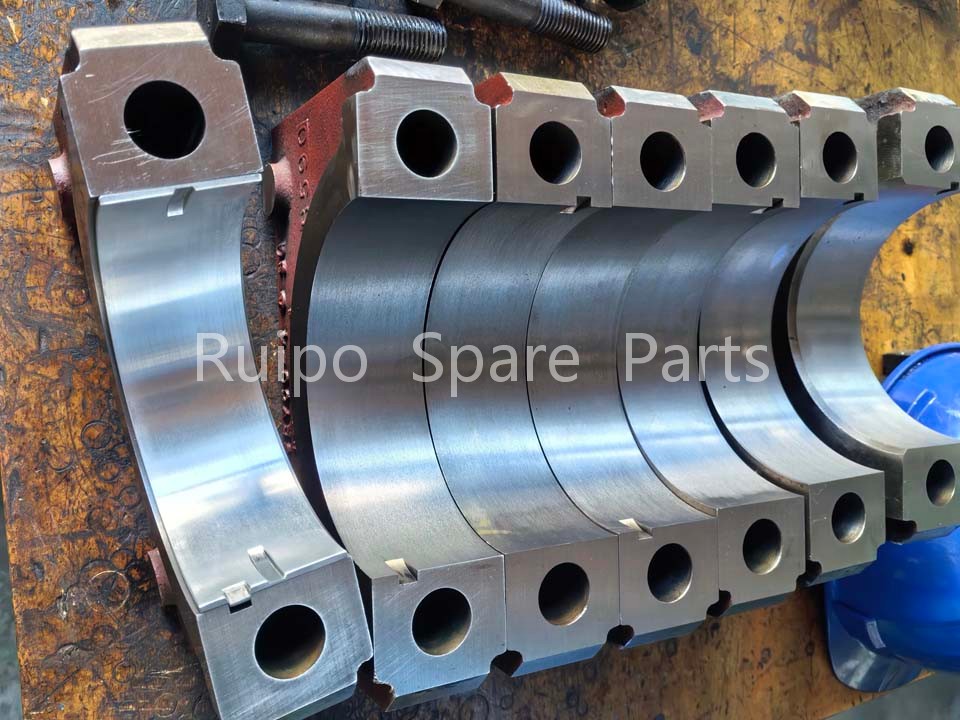
The NTSB report traced the root cause: an incorrectly sized crankshaft main bearing fitted during overhaul. The wrong bearing disrupted oil pressure and destroyed connecting rod bearings.
This failure didn’t come from fancy new technology. It came down to installing the right part.
Why Engine Serial Numbers Are Non-Negotiable
Engines from the same model family can have different internal specs. Production updates, arrangement codes, past machine work and part supersessions all change which spare parts fit.
Take Perkins engines as an example. A 1306-series overhaul may need an upper rebuild kit and specific exhaust valves. A different family like the 1006TG2A uses a completely different front oil seal. Parts can look nearly identical yet be incompatible.
Always verify the serial number, check the official parts catalog and confirm repair specs. If the engine was rebuilt, ask for measurement logs and supplier invoices — don’t settle for “it’s been overhauled.”
Low-Hour vs High-Hour Diesel Engines: Which Would You Buy?
Let’s make this practical. You have two engines to choose from. Engine A: 2,000 hours. Engine B: 10,000 hours. The seller charges more for Engine A because it’s “barely used.” Fair enough, on paper. Then you dig into the records.
Evaluation Factor
Engine A: 2,000 Hours
Engine B: 10,000 Hours
Operating history
Intermittent use, mostly light loads
Documented, steady load cycles
Storage history
Parked 2 years, no preservation records
Regular use with proper shutdown procedures
Analisi dell'olio
No reports on file
Multiple consistent oil analysis trends
Sistema di raffreddamento
Past overheating complaint logged
Inspected and repaired as needed
Stato del carburante
Unknown
Recent clean fuel test results
Maintenance records
Patchy, incomplete
Full service history
Mechanical inspection
Not completed
Inspection results within spec
Overall risk
Lots of unknowns
More accumulated wear, but fully traceable
This is a hypothetical comparison, not real test data. But it brings up a great question:
Why automatically pay a premium for Engine A? Low hours might mean less natural wear. Or they might hide years of rough treatment. Engine B has more runtime, but its condition is backed by paperwork and inspection.
That doesn’t make Engine B automatically the better buy. It just means the decision is far more complex than sales copy makes it sound.
The Real Value Of Good Maintenance Records
Perfect service records can’t promise zero future breakdowns, but they cut down uncertainty dramatically. Oil analysis trends, cooling system repairs, injector service, overhaul receipts and load test reports tell the story of what that engine has lived through.
Missing records don’t prove abuse. They just leave you with unanswered questions — and unanswered questions should lower the price you’re willing to pay.
How To Spot Early Diesel Engine Damage Before You Buy
A clean engine bay is nice. A smooth startup is nice too. Neither one is enough.
When you evaluate a used diesel engine, your inspection has to go far beyond “does it run?”
Confirm the engine identity first Grab the basics: manufacturer, model and serial number, plus arrangement number if available. Cross-check against equipment paperwork. Was the original engine swapped out? Has it been rebuilt? Does the hour meter track this specific engine, or the whole machine? Never assume they match.
Ask for the records people hate digging up Look for oil changes, coolant service, fuel system work, injector replacements, overheating events and overhaul paperwork. Pay attention to dates. A machine can sit for years while only racking up a handful of hours — calendar-based maintenance still applies.
Test the fluids Oil analysis catches early warning signs. Fuel sampling reveals hidden water and grit. Coolant testing flags chemical issues and contamination. Just remember: one single lab report is evidence, not a full mechanical diagnosis.
Test the engine, don’t only trust the seller’s story Depending on the unit, useful tests include compression testing, cylinder leakage testing, crankcase blow-by measurement, oil pressure checks, cooling system pressure tests, electronic scans, borescope inspection and controlled load testing. Not every test works for every engine. Follow OEM specs and work with qualified technicians. Compression, blow-by and pressure numbers only matter when measured against that exact engine’s limits.
Always test it under load An engine that idles beautifully can still fall apart under working conditions. A generator may show temperature instability during a proper load bank test. Construction equipment can lose power or act strange under real load.
Listen for odd noises. Watch temperatures, oil pressure and exhaust behavior. If something feels off, investigate before committing. A 5-minute demo is no substitute for a proper load test.
How To Stop Premature Diesel Engine Failure
There’s no magic maintenance trick to guarantee your engine hits 10,000, 15,000 or 20,000 hours. Engine design, duty cycle, maintenance and operating environment all shape its lifespan.
These habits will help you avoid most preventable failures:
Match maintenance to real operating conditions Backup generators and continuously run industrial engines have different needs. Machines working in dusty environments need stricter air filtration. Stick to OEM schedules, then add extra service for severe duty and calendar-based intervals.
Storage is not “set it and forget it” If an engine sits idle for months, follow the manufacturer’s full preservation procedure. Block moisture, maintain fuel and cooling systems, and inspect key parts before restarting. Short warm-up runs that never reach operating temperature are not enough for proper storage care.
Take contamination seriously Dirty fuel, degraded oil, bad coolant and unfiltered intake dust all kill engines. Keep filters serviced, inspect bulk fuel tanks, use the correct fluids, and investigate abnormal lab results before symptoms turn into failures.
Avoid unnecessary long-term light-load running For generators, review your actual load profile. If the unit runs under very low load often, check OEM guidance. Load bank exercise may be required. Always follow the manual for your specific gen-set.
Fix overheating at the root Don’t just flush coolant and hope. Find why it overheated: blocked radiator, coolant leak, faulty thermostat, failed fan? Repair the root cause, then validate the cooling system under load, or the problem will return.
Domande frequenti
Why do diesel engines fail with low hours?
The hour meter tracks runtime, not storage conditions, contamination, overheating, lubrication problems or load history. Corrosion, bad fuel and thermal damage can ruin internal parts without many operating hours. That’s why low-hour engines still need inspection.
Can a diesel engine fail after only 2,000 hours?
Absolutely. Severe overheating, oil starvation, contamination or botched repairs can trigger major failure at 2,000 hours or less. Whether it counts as premature failure depends on engine design, application and maintenance rules. The hour number alone won’t tell you what broke.
Does excessive idling damage diesel engines?
Short idle periods are fine. Extended running at near-zero load keeps combustion and exhaust temperatures too low. This builds carbon and causes wet stacking, most often on backup generators.
What causes diesel engine wet stacking?
Wet stacking happens with long low-load operation. Unburned fuel, carbon and sometimes oil collect inside the exhaust, leaving dark, oily residue at joints. It’s common on generators that only do weekly no-load tests. Residue needs checking, but it doesn’t automatically mean rebuild time.
Can long-term storage damage a diesel engine?
Yes, if not preserved correctly. Condensation causes rust, fuel goes stale, and rubber components degrade. This damage builds up while the engine stays off, with zero new hours added to the meter. Proper preservation makes a huge difference.
Is a high-hour diesel engine better than a low-hour one?
Not always — but it can be. A high-hour engine with clean service logs and passing inspections may be less risky than a low-hour unit with unknown history. Higher hours mean more wear, but low hours mean hidden risk. Buy condition, not just the hour count.
What should buyers inspect before buying a used diesel engine?
Verify the engine serial number and history, review service records, sample fluids, run mechanical tests, and check storage background, overheating incidents, fuel contamination, lubrication health, past repair quality and loaded performance. A smooth idle and clean paint don’t replace inspection data.
Final Thoughts: Don’t Buy The Hours. Verify The Engine.
Here’s the thing every used equipment buyer should remember: A low-hour diesel engine is not automatically a good engine. A high-hour diesel engine is not automatically worn out.
The hour meter is helpful, but it leaves out so much: cold starts, years of storage, dirty fuel, overheating events, and repairs that may or may not have been done right.
These hidden details can turn a seemingly great deal into a costly headache.
Before you pay extra for that low-hour sticker price, ask for service records. Sample the fluids. Dig into past repairs. And run the engine under load to prove it’s healthy.
A seller can show you the hour reading in two seconds. Proving the engine is sound takes more work — and it’s always worth it.
Your Next Step: Find The Right Diesel Engine Parts
Figuring out why an engine failed is only half the battle. The other half is sourcing the correct replacement parts.
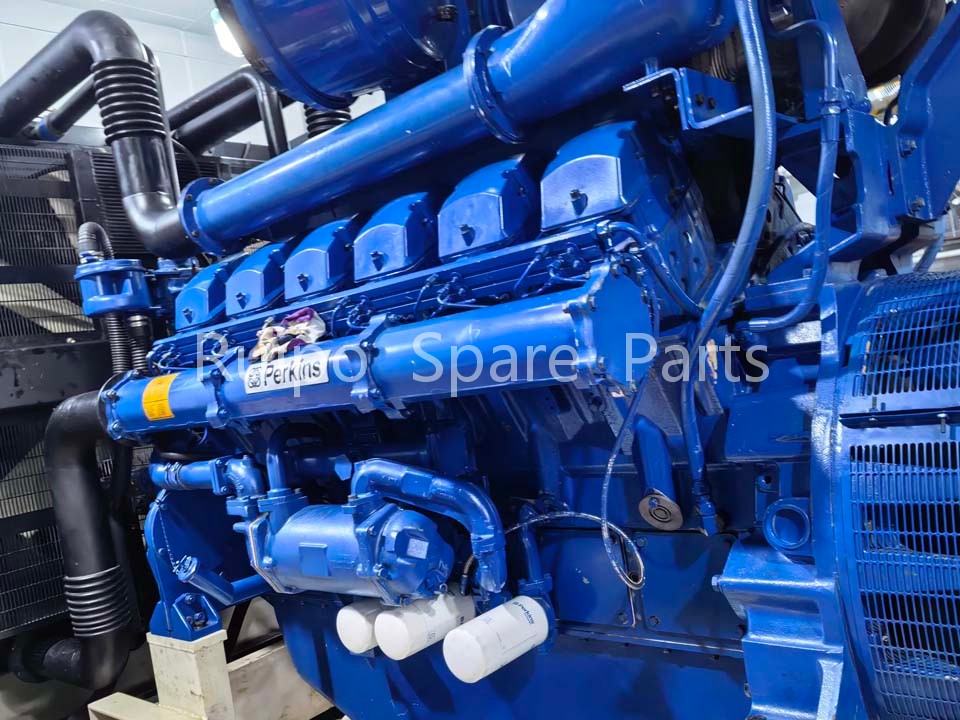
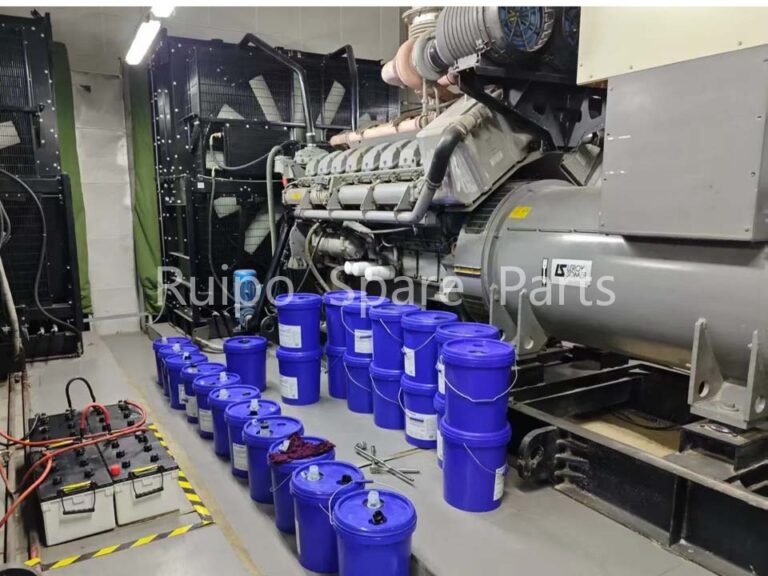
At RUIPO Spare Parts, we supply genuine and OEM diesel engine components for industrial engines and heavy machinery, including Perkins and Caterpillar.
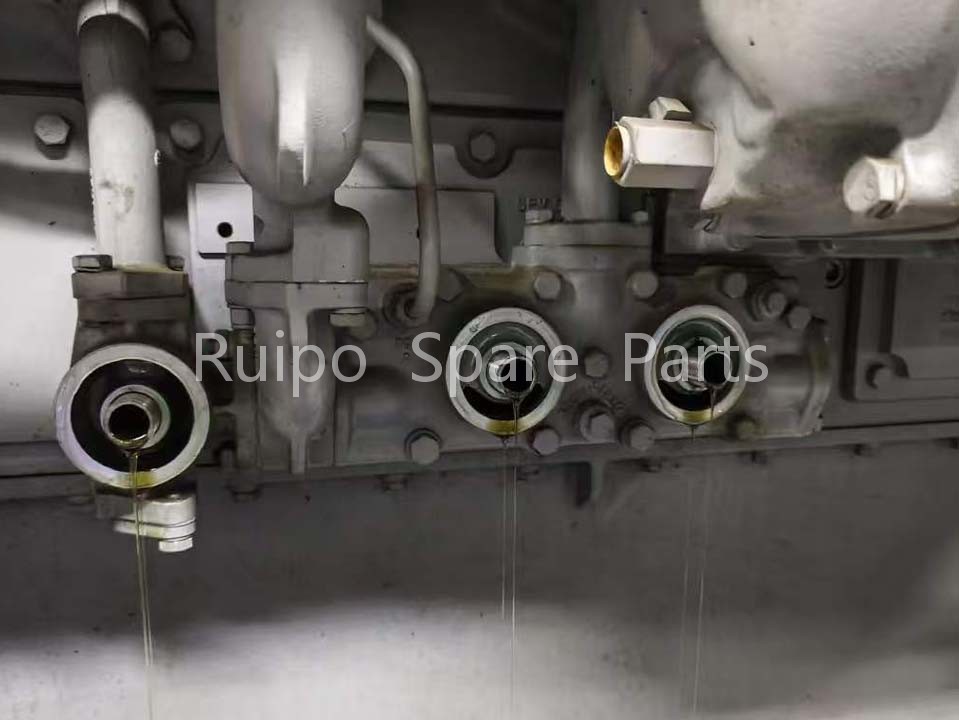
Whether you’re fixing an oil leak, replacing valves, completing routine maintenance or carrying out a full overhaul, confirm the engine serial number before ordering parts.
Need help sourcing diesel engine spare parts? Visit ruipospareparts.com, send over your engine model, serial number and part requirements, and our team will check availability and match the right genuine components for your machine.
Don’t let a small diesel fault snowball into a costly rebuild.