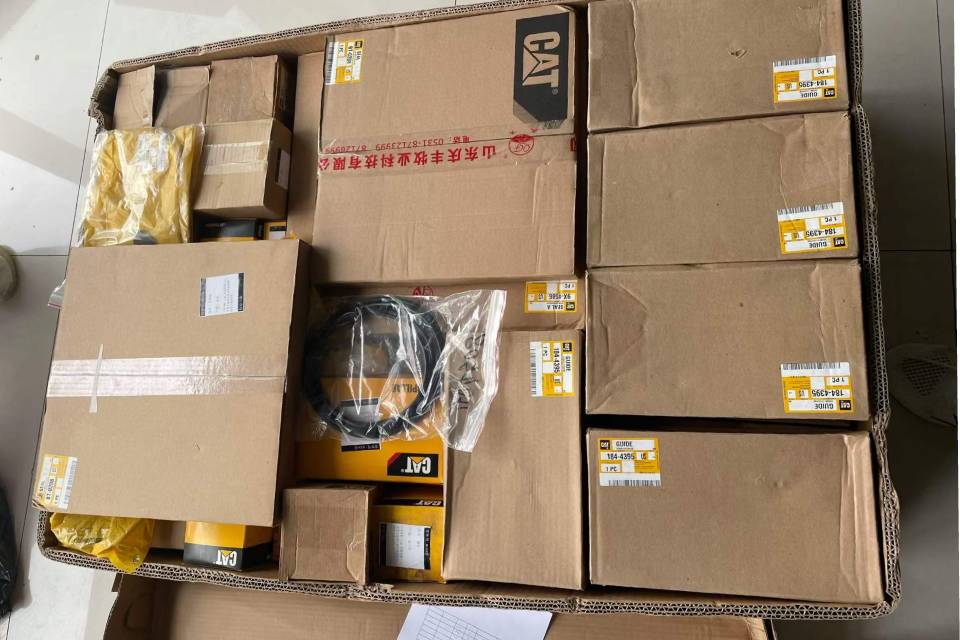
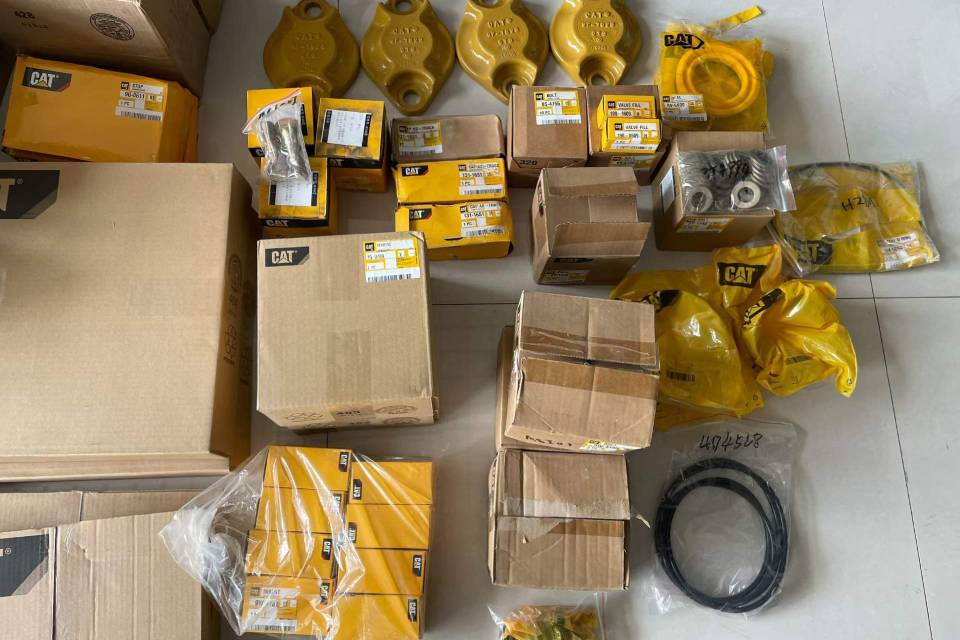
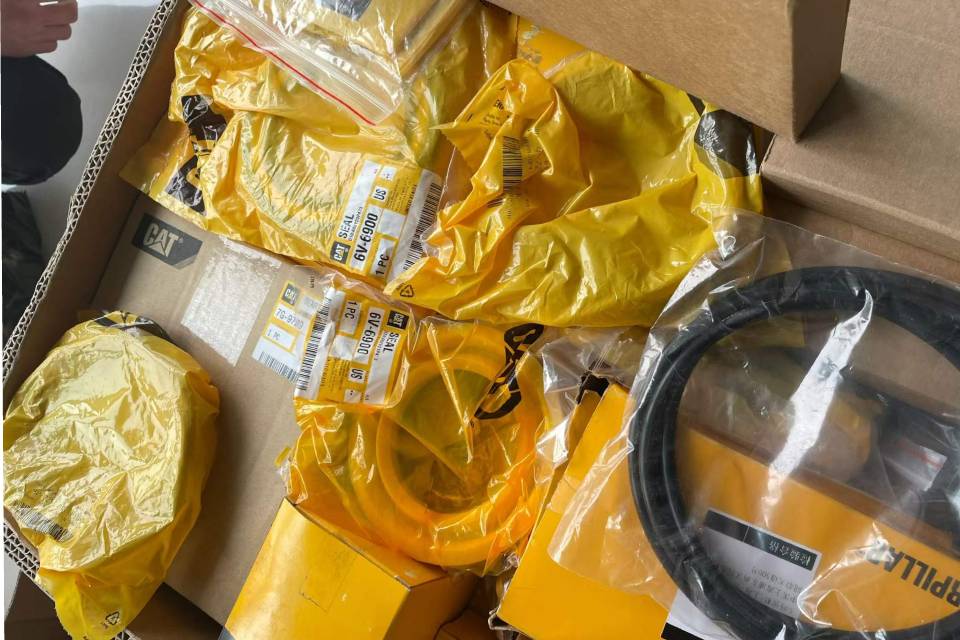
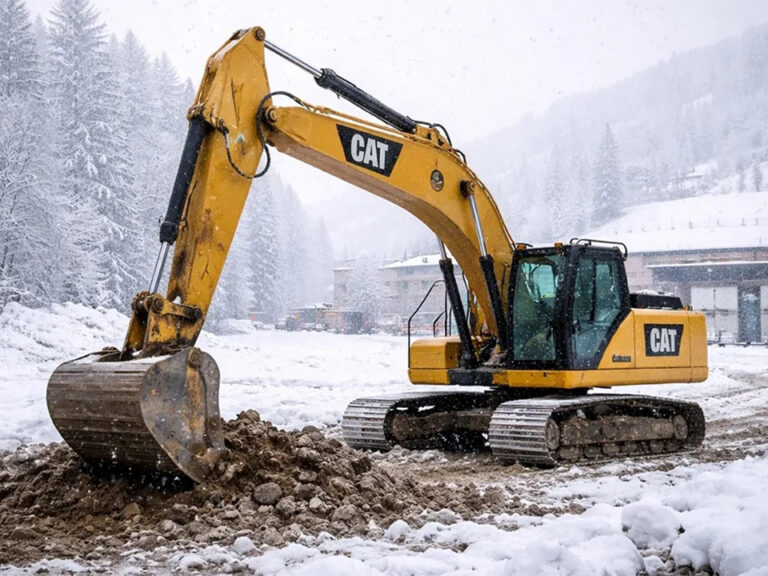
“The supplier gave us a true one-stop parts solution. Their team matched the right Caterpillar, Perkins, and filter parts for our equipment, and the support stayed fast and professional from inquiry to delivery.”
Procurement Manager
Heavy Equipment Parts Projects
WHAT oTHERs SAY about us
“The supplier gave us a true one-stop parts solution. Their team matched the right Caterpillar, Perkins, and filter parts for our equipment, and the support stayed fast and professional from inquiry to delivery.”
Rebuild or Replace? A B2B Guide for High-Hour Diesel Engines
I’ve heard this kind of story too many times. The excavator was “still working.” The generator set only smoked a little on startup. The operator mentioned low power, but nobody wanted downtime. Then the coolant disappeared, the oil looked wrong, the engine started knocking under load, and suddenly everyone needed a fast answer.
Rebuild or replace?
Bad timing.
Here’s the ugly truth: when a high-hour diesel engine has already failed hard, you’re not making a clean maintenance decision anymore; you’re trying to control financial damage after the crankcase, cooling system, turbo, injectors, and maybe half the machine have already started arguing with each other.
That’s why I don’t like soft language around engine jobs. “Maybe it can still run.” “Maybe we can save it.” “Maybe the rebuild won’t be expensive.” Maybe. But maybe is not a plan.
A diesel engine rebuild can absolutely make sense. I’m not against rebuilding. But I am against pretending every old engine deserves another life just because the first quotation looks cheaper than a complete diesel engine replacement.
Engines don’t care.
What “Diesel Engine Rebuild” Means When Nobody Is Hiding the Bad News
A diesel engine rebuild is the tear-down, inspection, machining, parts replacement, assembly, and testing process used to restore an existing engine to working condition with a realistic service-life target.
Nice definition. Too clean.
In the shop, a rebuild is a pile of uncomfortable questions. Is the block reusable? Are the main bearing saddles still good? What’s the crank journal condition? Did the cylinder head pass pressure testing? Any liner cavitation? Any coolant in the sump? What do the ECM hours say? Does the machine’s physical wear match the claimed hours, or are we looking at another “low-hour” fairy tale?
And paint doesn’t count. I’ll say it plainly: paint is not a rebuild.
A proper diesel engine rebuild isn’t just liners, pistons, bearings, gasket set, seals, and a quick spray job. You need to look at the oil pump, turbocharger, injector calibration, fuel pump, cooling package, harness condition, sensors, ECM data, and the failure history. Especially the failure history.
Because if the engine died from overheating and nobody checks the cooling circuit, the fresh rebuild is already in trouble before the machine leaves the yard.
For a Caterpillar C4.4 industrial engine, a part like the genuine Caterpillar 238-9574 water pump for CAT C4.4 engines isn’t some nice optional accessory. If the old pump was weak, leaking, cavitated, wrong-spec, or just tired, it can cook a rebuilt engine quietly.
That happens. Often.
Start With Downtime, Not the Parts List
Buyers love asking, “How much for the overhaul kit?”
I don’t blame them. Everybody wants a number. But from my experience, that’s usually the wrong first number.
The first number should be downtime cost per day, because if a machine earns money every shift and the engine is sitting open while the buyer is still waiting for one missing injector, one water pump, one head gasket, or one back-ordered sensor, the “cheaper rebuild” can turn expensive very quickly.
Look at the decision like this:
Decision Factor
Rebuild Makes Sense When
Replace Makes Sense When
Repower Makes Sense When
Core engine condition
Block, crankshaft, camshaft, and head are reusable or repairable
Block is cracked, crank is badly damaged, or multiple major components fail inspection
Original engine model is obsolete or no longer supports business needs
Parts availability
Genuine parts can be sourced within the project schedule
Key parts are unavailable, overpriced, or uncertain
A supported engine platform gives better long-term parts supply
Downtime exposure
Fleet has spare equipment or customer accepts repair time
Downtime cost is higher than the price gap
Planned engineering downtime is acceptable
Residual machine value
Machine frame, hydraulic system, undercarriage, and controls still justify investment
Machine value is too low after repair
Machine structure is strong but powertrain needs modernization
Post-repair service life
Rebuild can realistically provide enough working hours for contract needs
Warranty, reliability, and resale demand a complete engine
New emissions, power, or control requirements must be met
The table looks calm. Real jobs aren’t.
Reuters reported during the 2023 UAW strike that parts shortages were already hitting suppliers, and one small parts factory outside Detroit had cut output by about 6%. No, that’s not exactly the same as a CAT engine rebuild for a mining loader or a generator overhaul in the Middle East. But the lesson travels well: when the supply chain tightens, the late buyer gets punished. The Reuters coverage of UAW-related parts shortages is a good reminder that “available soon” can become a very expensive phrase.
So, yes, ask for the rebuild quote. But ask what happens if the job waits three more weeks for one part.
That’s where the real cost hides.
Parts Availability Is the Rebuild Decision
But here’s where people get too relaxed.
They think parts sourcing is just purchasing. It isn’t. Parts availability can decide whether the diesel engine rebuild is a good business move or a half-open engine sitting under plastic while the customer gets angry.
The big-ticket items get all the attention: crankshaft, cylinder head, injectors, turbo, liners, pistons, bearings, fuel pump. Fine. Those matter. Nobody is saying otherwise.
Still, the small parts can wreck the schedule.
One thermostat. One sensor. One gasket. One oil cooler. One water pump. One heat exchanger. One harness connector that nobody checked until the engine was already back in the frame. That’s how a “simple rebuild” starts turning into a blame festival.
If the engine overheated before failure, don’t just order an overhaul kit and pretend you’re safe. Check the radiator core, fan drive, belt tension, coolant cap pressure, thermostat, water pump, hoses, coolant chemistry, and heat exchanger condition. On marine engines and generator sets, a fouled exchanger can make a perfectly decent long block look like a bad rebuild.
The U.S. Bureau of Labor Statistics reported that the motor vehicle parts producer price index rose 4.2% in 2022, 1.3% in 2023, and 0.8% in 2024, with a 6.4% increase over the three-year period ending December 2024. Different category, yes. But if you buy engine parts, repair components, or machine spares under pressure, you already know the feeling. The BLS motor vehicle parts price trend data gives some hard numbers behind that pressure.
Small increases don’t look scary until the parts list gets long.
Then they do.
When to Rebuild a Diesel Engine
Rebuild the engine when the core is healthy, the genuine parts are available, the downtime risk is acceptable, and the machine can still earn enough money after repair to justify the spend.
That’s the sensible version.
But I’d add a rougher rule: rebuild when the inspection report is boring.
No cracked block. No ruined crank. No mystery heat damage. No metal everywhere. No cylinder head that fails pressure testing twice. No oil cooler full of bad news. No coolant-in-oil history that everyone conveniently forgot to mention.
Boring is good.
A diesel engine rebuild normally makes sense when the block is reusable, the crankshaft can be polished or ground within spec, the camshaft and gear train are still serviceable, the cylinder head passes testing, and the ECM hours roughly match the wear you can see with your own eyes.
And the machine itself has to deserve the rebuild.
This part gets skipped. A lot.
A fresh engine inside a dead-value machine is not a win. If the hydraulic system is weak, the undercarriage is finished, the frame has cracks, the wiring harness is brittle, and the operator complains about everything except the radio, then the engine may not be the only problem. Maybe not even the main problem.
I frankly believe many “engine rebuild” conversations should start with a machine-value check, not a parts quote.
Hard truth.
When Diesel Engine Replacement Is the More Honest Option
Sometimes diesel engine replacement looks expensive only because the rebuild quote is still lying.
Not deliberately, maybe. But early rebuild quotes often don’t include what the workshop finds after opening the engine. Bad crank. Failed head. Damaged block. Injector problems. Turbo failure. Oil pump wear. Cooler contamination. Wrong previous repair. Missing parts. Mystery hardware in the sump.
Then the rebuild price starts climbing.
Replacement becomes the cleaner business decision when the old core is too risky, when downtime costs are high, when the customer needs a stronger warranty story, or when the workshop can’t provide measurement records and test documentation.
Because without records, everybody argues later.
Main bearing clearance. Liner protrusion. Cylinder head pressure test. Injector calibration. Fuel pump test. Turbo inspection. Oil pressure test. Coolant pressure test. Load test. These aren’t fancy extras. They’re the paper trail that stops a rebuild from turning into “your engine failed because your operator abused it” versus “your rebuild was bad.”
And yes, customers remember those fights.
A complete diesel engine replacement may be the better move when the buyer needs fast turnaround, predictable warranty, and less workshop discovery risk. Expensive? Sure. But sometimes expensive and controlled is better than cheap and chaotic.
I’ve seen both.
Repower Is Not “Just Put Another Engine In”
Diesel engine repower means replacing the original engine with a different engine model or updated power package to improve support, performance, compliance, or long-term parts availability.
Sounds smart. Can be smart.
But repower is where casual buyers get burned, because it looks like a parts decision until the mechanic is staring at mounts, flywheel housing, exhaust routing, cooling capacity, ECM communication, hydraulic pump coupling, harness plugs, dashboard faults, and sensor logic that don’t want to cooperate.
That’s not a simple order. That’s engineering.
A repower can save a valuable machine when the old engine platform is obsolete or badly supported. It can also create a machine that starts nicely, idles nicely, and then throws faults or overheats under real load because nobody checked the whole system.
The U.S. EPA finalized Phase 3 greenhouse gas standards for heavy-duty vehicles covering model years 2027 through 2032, estimating 1 billion tons of avoided greenhouse gas emissions and $13 billion in annualized net benefits. It’s not a direct rule for every excavator, generator set, or marine engine, but it shows where powertrain decisions are heading. The EPA’s 2024 heavy-duty vehicle standards are worth reading if you think engine choices can stay separate from emissions pressure forever.
Repower can be a good answer.
Just don’t price it like a water pump job.
Cooling System: The Quiet Killer After a Fresh Rebuild
I’ll be blunt: cooling systems don’t get enough respect in rebuild planning.
Everybody wants to talk about liners, pistons, crankshafts, injectors, turbos. Those parts feel serious. They look expensive on a quotation. They make the rebuild sound real.
Then a tired water pump, stuck thermostat, dirty radiator, bad cap, soft hose, blocked heat exchanger, or poor coolant flow cooks the fresh engine.
Very professional. Very painful.
The worst part is that cooling trouble doesn’t always scream immediately. The engine may idle fine. It may pass a short yard test. It may even run one or two light jobs. Then the operator puts it under real load, coolant temperature creeps up, oil temperature follows, and suddenly the rebuild is being blamed.
Maybe the rebuild was bad.
Maybe the cooling package was ignored.
For older Caterpillar engines, I wouldn’t match cooling parts by photo. Use part number, engine arrangement, serial number, and application. A part like the 203-6093 genuine Caterpillar water pump for engine cooling systems should be checked before the rebuild approval, especially if overheating was part of the failure story.
Oil pressure gets panic.
Coolant flow gets excuses.
That’s backwards.
Don’t Ignore the Machine Wrapped Around the Engine
Yet this is where another bad habit shows up.
People treat the engine like it lives alone. It doesn’t. A diesel engine sits inside a machine, and that machine may have its own expensive problems waiting patiently in the background.
Before making a diesel engine overhaul decision, look at the whole asset. Hydraulic pressure. Final drive noise. Transmission behavior. Radiator condition. Harness damage. Old fault codes. Operator complaints. Frame condition. Undercarriage wear. Service history. Oil leaks. Heat marks. Bad repairs.
All of it.
A rebuilt engine inside a tired machine can be a terrible investment. The engine may be strong, but if the hydraulic system is weak or the controls are unreliable, the fleet owner still doesn’t have a profitable asset.
For example, on a CAT 306E mini excavator, an engine-side repair won’t solve control-side hydraulic trouble. If the machine has hydraulic complaints, parts such as a genuine Caterpillar hydraulic control check valve for CAT 306E mini excavator service may need to be checked before anyone promises that the engine job will bring the unit back to useful work.
Fleet engine maintenance is not just engine maintenance.
That’s the annoying part.
My Real Rule: Rebuild, Replace, Repower — or Don’t Touch It
Here’s my field rule.
Rebuild when the core is good, the parts are confirmed, downtime is tolerable, and the machine still has real residual value.
Replace when the core is questionable, the deadline is tight, and the customer needs a cleaner warranty path.
Repower when the machine body is worth saving but the original engine platform is obsolete, unsupported, underpowered, or becoming a compliance headache.
And sometimes, don’t do the job.
People hate hearing that. But some machines are just cash traps. A high-hour diesel engine with a damaged core inside a low-value machine is not a smart rebuild candidate. It’s a future argument with invoices attached.
Caterpillar says its remanufacturing process returns end-of-life products to same-as-new condition and helps reduce owning and operating costs compared with new parts. That’s the kind of process buyers think they’re getting when they hear “reman” or “rebuilt.” The Caterpillar remanufacturing explanation helps separate real process-controlled work from paint-and-ship rebuild culture.
A cheap rebuild with no measurements is not the same thing.
Don’t sell it like it is.
FAQs
When should a fleet choose a diesel engine rebuild?
A fleet should choose a diesel engine rebuild when the engine core is structurally sound, genuine parts are available, downtime can be controlled, and the repaired engine can deliver enough post-repair service life to justify the total cost. The decision should come from inspection data, not hope.
That means checking the block, crankshaft, cylinder head, liner protrusion, oil pressure history, coolant contamination, blow-by, ECM hours, and machine value before approving the job. If the workshop can’t document the condition, the buyer is accepting blind risk.
What is the difference between diesel engine rebuild and diesel engine replacement?
A diesel engine rebuild restores the existing engine through inspection, machining, and replacement of worn internal parts, while diesel engine replacement removes the old engine and installs a complete engine assembly. Rebuild may cost less upfront, but replacement can reduce downtime, uncertainty, and warranty disputes.
The right choice depends on core condition, parts lead time, customer deadline, load requirements, and how much risk the fleet owner is willing to carry after installation. A rebuild with poor documentation is not equal to a complete engine with clear warranty terms.
Is diesel engine repower better than rebuild?
Diesel engine repower is better than rebuild when the original engine model is obsolete, poorly supported, underpowered, or unsuitable for future compliance and fleet requirements. However, repower carries engineering risk because mounts, cooling, exhaust, wiring, ECM communication, and hydraulic interfaces may all need changes.
Treat repower like an engineering job, not a normal engine purchase. If nobody checks drawings, harness compatibility, cooling capacity, fault communication, and coupling dimensions, the machine may run but still fail commercially.
How do I decide between engine rebuild and replacement?
To decide between engine rebuild and replacement, compare total rebuild cost, confirmed parts lead time, downtime cost, warranty expectations, residual machine value, and expected post-repair service life. If rebuild cost approaches replacement cost while risk stays high, replacement is usually the cleaner commercial decision.
Don’t compare only parts invoices. Add labor, testing, freight, customs, customer penalties, lost rental income, rework risk, and the cost of another failure under load. That’s where many “cheap” rebuilds stop looking cheap.
Which parts should be checked before approving a diesel engine rebuild?
Before approving a diesel engine rebuild, check the block, crankshaft, camshaft, cylinder head, pistons, liners, bearings, oil pump, injectors, turbocharger, water pump, heat exchanger, radiator, sensors, wiring harness, and ECM records. Supporting systems matter because many rebuild failures begin outside the core engine.
Cooling and lubrication need special attention. If the original failure involved overheating, coolant in oil, low oil pressure, repeated derate, or heavy blow-by, don’t treat the job like a basic overhaul kit order.
Your Next Steps: Price the Risk Before the Engine Is Dead
Before approving a diesel engine rebuild, collect the engine serial number, arrangement number, failure history, ECM hours, oil sample results, coolant condition, photos, required warranty period, and actual working deadline.
Then price three paths side by side: rebuild, diesel engine replacement, and repower.
Not emotionally. Commercially.
If you manage high-hour diesel engines for a fleet, repair workshop, generator service company, mine site, marine operator, or rental business, send the exact part numbers and engine details before the failure becomes urgent. A planned parts check feels boring, sure — but it’s cheaper than standing beside a dead machine while every supplier says “no stock.”
Because once the engine is down, available parts control the clock.