“Tedarikçi bize gerçek bir tek elden parça çözümü sundu. Ekipleri, ekipmanımız için doğru Caterpillar, Perkins ve filtre parçalarını eşleştirdi ve destek, sorgulamadan teslimata kadar hızlı ve profesyonel kaldı.”
Satın Alma Müdürü
Ağır Ekipman Parçaları Projeleri
DİĞERLERİ BİZİM HAKKIMIZDA NE DİYOR
“Tedarikçi bize gerçek bir tek elden parça çözümü sundu. Ekipleri, ekipmanımız için doğru Caterpillar, Perkins ve filtre parçalarını eşleştirdi ve destek, sorgulamadan teslimata kadar hızlı ve profesyonel kaldı.”
Dizel Motorun Genel Bakım Zamanlaması: Çalışma Saatleri, Belirtiler ve Maliyet Etkenleri
İnsanların motor çalışma saatleri konusunda sanki din meselesiymiş gibi tartıştıklarını gördüm.
Bir alıcı 4.500 saatlik çalışma süresini görünce genel revizyondan bahsetmeye başlar. Bir diğeri ise 18.000 saatlik çalışma süresini görür, valf kapağına hafifçe vurur, “hala sorunsuz çalışıyor” der ve nedense bunun konuyu hallettiğini sanır. Halletmez. Alakası bile yok.
Ancak saatler, motorun zayıf bir emme contası yüzünden toz yutup yutmadığını, radyatörün yarısı tıkalı olduğu için aşırı ısındığını, hafif yük altında çok uzun süre rölantide çalıştığını ya da üç sezon önce güç düşürülmesi gereken bir yük taşıdığını size söylemez.
Dizel araçların en zorlu yanı da budur: Saat sayacı temiz veriler gösterir, ancak motorun geçmişi oldukça zorlu bir hayat sürmüştür.
Ciddi bir dizel motor revizyonu kararı söz konusu olduğunda, alıcıların artık sadece “Kaç saat çalışmış?” diye sormayı bırakıp, “Bu saatler nasıl geçmiştir?” diye sormaya başlamaları gerektiğini açıkçası düşünüyorum. Yedek jeneratör odasındaki bir CAT C15 ile taş ocağındaki bir CAT 3512, aynı şekilde eskimemektedir. Aynı metal ailesinden olsalar da, maruz kaldıkları zorlu koşullar tamamen farklıdır.
Caterpillar’ın kendi bakım kılavuzları da aynı görüşü desteklemektedir. Yağ boşaltma veya bakım kararları, yalnızca çalışma saatlerine göre değil, yağın durumu, kirlilik seviyesi, metal aşınma eğilimi, yakıt tüketimi ve yağ tüketimi göz önünde bulundurulduktan sonra alınmalıdır. Bu, birçok alıcının krank mili ciddi hasar görene kadar göz ardı ettiği bir bakım ipucudur.
Bu yüzden biri, “Bu motor normalde 20.000 saat çalışır,” dediğinde şüpheye düşüyorum.
Normalde nerede?
Normalde hangi yük altında?
Normalde hangi yağ, hangi filtreleme sistemi, hangi soğutma sıvısı, hangi operatör, hangi toz seviyesi ve hangi bakım düzeni ile?
Büyük fark var.
Motor Çalışma Saatleri Size Gerçekte Ne Anlatıyor?
İşte acı gerçek: Dizel motor revizyon saatleri bir başlangıç noktasıdır, bir değerlendirme değildir.
800 saat çalışmış 10 yıllık bir yedek jeneratörün içi gayet iyi durumda olabilir. Ya da motoru ıslak bir şekilde çalışır durumda olabilir, bayat yakıt kaynaklı sorunlarla dolu olabilir ve hiç düzgün bir şekilde yük testi yapılmamış olabilir. 7.000 saatlik bir madencilik motoru, emme sisteminden iki ay boyunca toz sızmasına rağmen kimsenin üretimi durdurmak istememesi nedeniyle neredeyse ömrünü tamamlamış olabilir.
Her iki türünü de gördüm.
Ve kayıtları görene kadar ikisine de güvenmiyorum.
Motor Çalışma Saati Aralığı
Bunun Anlamı Nedir Bence
Alıcıların Yapması Gerekenler
0–5.000 saat
Aşırı kullanım, aşırı ısınma, toz girişi, soğutma sıvısı sızıntısı veya yakıt seyreltmesi gibi durumlar söz konusu olmadığı sürece, genellikle kapsamlı bakım gerektirmez
Kayıtları, yağ analizini, hava girişini, soğutma sistemini ve ECM çalışma saatlerini kontrol edin
5.000–12.000 saat
Ağır hizmet tipi motorlar için ciddi izleme aşaması
Birçok ağır hizmet uygulaması için revizyon planlama aşaması
Uygun fiyatlı parçalar, arıza süresini belirleme, sızıntı, sıkıştırma, yağ tüketimi ve yakıt tüketimini kontrol etme
Anormal belirtilerin görüldüğü saatler
Çalışma saatleri artık motoru korumuyor
Krank mili, motor bloğu, turboşarj veya silindir kafasındaki hasarın yayılmasından hemen önce teşhis edin
O tablo basit görünüyor. Ama öyle değil.
Çünkü asıl soru “12.000 saat fazla mı?” değil. Asıl soru, o 12.000 saatin sıcak, tozlu, aşırı yüklenmiş, bakımının kötü yapıldığı bir ortamda mı geçtiği, yoksa her vardiyada sessizce astarları aşındırıp aşındırmadığıdır.
Yani, hayır, “15.000 saatte genel bakım” gibi körü körüne uygulanan kuralları sevmiyorum.”
Tembel kural.
Bazen sorunsuz bir motora gereksiz masraf yaptırır. Bazen de ömrü dolmak üzere olan bir motorun 2.000 saat daha çalışmasına izin verir — tam da onarım masrafı iki katına çıkana kadar.
Boya, vaatler ya da güzel fotoğraflardan daha çok güvendiğim belirtiler
Giderek Kötüleşen Blow-by Sorunu
Biraz blow-by beni korkutmaz. Her dizel motorda bir miktar karter havalandırması olur. Ancak artan blow-by — özellikle yük altında, motor sıcakken ve tekrarlayan bir şekilde — farklı bir durumdur.
Bu, motorun silindir sızdırmazlığının azaldığını size bildirmesidir.
Yüzüklerden kaynaklanıyor olabilir. Aşınma halkalarından kaynaklanıyor olabilir. Piston aşınması, camlaşma, çizilme, kırık yüzük yuvaları ya da sadece uzun ve zorlu bir kullanım ömrünün sonunda, artık kimsenin cilalayamayacağı bir noktada ortaya çıkmış olabilir. Evet, satıcıların soğuk motorda ve yük olmadan çekilmiş tek bir temiz çalıştırma videosu göndermeyi ne kadar sevdiklerini biliyorum. Bu bana neredeyse hiçbir şey ifade etmiyor.
Bana sıcak bir motor verin. Yük altında. Havalandırma açık. Aynı testi iki kez yapın.
O zaman konuşabiliriz.
CAT 3406, C15, C18, 3512, 3516, Cummins QSK45, QSK50 veya QSK60 modellerinde, etkileyici bir videodan ziyade ölçülmüş karter basıncını görmeyi tercih ederim. Duman ve buhar insanları yanıltabilir. Eğilimler ise o kadar kolay yalan söylemez.
Yavaş Yavaş “Normal” Hale Gelen Petrol Tüketimi”
Bu durum beni rahatsız ediyor çünkü insanlar bunu sıradan bir şeymiş gibi görüyorlar.
Başlangıçta operatör biraz yağ ekler. Sonra biraz daha. Ardından bu, günlük rutinin bir parçası haline gelir. Sonra biri şöyle der: “Bu motor her zaman yağ tüketmiştir.” Hayır, belki de öyle değildi. Belki de herkes ona yağ eklemeye alışmışlardır.
Yüksek yağ tüketimi, aşınmış segmanlar, aşınmış silindir gömlekleri, turbo contasında sızıntı, valf kılavuzlarında aşınma, havalandırma sistemi sorunları veya yetersiz yanma gibi nedenlerden kaynaklanabilir. Bunların hepsi acil bir revizyon gerektirmez.
Peki ya yağ tüketimi, blow-by, mavi duman, zayıf sıkıştırma ve kötü yağ analizi bir araya gelirse?
Şimdi burada önemsiz bir sızıntıdan bahsetmiyoruz.
Burada, metalinden önce kâr marjını tüketen bir motordan bahsediyoruz.
Motorun Kendini Yediğini Gösteren Yağ Analizi
Yağ analizini seviyorum çünkü bu, işin abartılı yanlarını ortadan kaldırıyor.
Hepsi değil. Bir kısmı.
İyi bir yağ analizi raporu, silindir/dönen parçaların aşınmasından kaynaklanan Fe’yi, yataklardan kaynaklanan Cu ve Pb’yi, pistonlardan kaynaklanan Al’yi, toz girişinden kaynaklanan Si’yi, yakıt seyreltmesini, kurum birikimini, viskozite değişimini, su, soğutma sıvısı kirliliğini, glikolü, oksidasyonu, nitrasyonu ve TBN rezervini ortaya koyabilir. Caterpillar sıvı analizi materyali, element analizi, kurum, partikül sayısı, yakıt seyreltmesi, su ve soğutma sıvısı verileri etrafında yapılan yağ analizini açıklamaktadır.
Tek bir örnek mi? Yararlı, ancak sınırlı.
Üç örnek mi? Artık bir eğilim ortaya çıkıyor.
Silikon (Si) ve demir (Fe) değerleri birlikte yükselirse, emme sistemindeki toz sorununu düşünmeye başlarım. Bakır (Cu) ve kurşun (Pb) değerleri ters yönde hareket ederse, yataklar konusunda endişelenmeye başlarım. Glikol ortaya çıkarsa, bunu hafife almam. Yağda soğutma sıvısı bulunması, çok yüksek bir faturaya dönüşebilecek türden küçük bir sorun gibi görünse de.
İşte bu nedenle, dizel motor revizyonu için yapılan yağ analizi, basit bir evrak işi gibi değerlendirilmemelidir. Bu işlem daha çok bir kan tahliline benzer — mükemmel olmasa da, boyanın durumuna bakarak tahminde bulunmaktan çok daha iyidir.
Sessizce Artan Yakıt Tüketimi
Yakıt tüketimi aldatıcıdır.
Aşınmış bir motor hâlâ çalışabilir. Hâlâ marş alabilir. Hâlâ ses çıkarabilir ve çalışıyormuş gibi görünebilir. Ancak aynı kW’ı, aynı hidrolik gücü veya aynı taşıma işini gerçekleştirmek için daha fazla dizel yakıt gerektiriyorsa, işletmeci her vardiyada bu aşınmanın bedelini ödüyor demektir.
Bu para tek bir fatura olarak gelmiyor.
Sızıntı var.
Zayıf sıkıştırma, yetersiz enjektör püskürtmesi, aşınmış yakıt pompası bileşenleri, turbo verimsizliği, kısıtlı hava akışı, son soğutucu sorunları ve iç sürtünme, yakıt tüketimini artırabilir. Ocak 2024'te, ABD Enerji Bilgi İdaresi, perakende dizel fiyatlarının düşmesi beklenmesine rağmen, ABD'deki dizel tüketiminin hem 2024 hem de 2025'te 2023 seviyelerini aşacağını öngördü. Ağır iş makineleri ve jeneratörler, hayali beklentilere göre değil, saat başı dizel yaktığı için yakıt maliyeti hâlâ önemlidir.
İşte alıcıların en çok nefret ettiği nokta: 25.000 ABD doları tutarındaki planlı bir revizyonu reddedebilirler, ancak daha sonra fazladan yakıt, fazladan yağ, üretim kaybı, acil nakliye masrafları ve hizmet dışı kalma nedeniyle aynı tutarı harcamak zorunda kalabilirler.
Drama yok.
Sadece kayıp.
Sonunda Yeniden Kurma Maliyetinden Daha Büyük Hale Gelen Kesinti Maliyeti
Bu, insanların başarısızlığın ardından hesapladıkları tetikleyici faktördür; ki bu tam da yanlış zamandır.
Planlanmış bir dizel motor revizyonunun maliyeti, gözle görülür olduğu için oldukça ağır geliyor. Pistonlar, gömlekler, yataklar, conta seti, işçilik, işleme, testler, nakliye — hepsi tek bir teklifte sıralanmış durumda. Beklemek bedelsizmiş gibi geliyor. Ama öyle değil.
Siemens’in 2024 tarihli “Arıza Süresinin Gerçek Maliyeti” raporunda, plansız arıza sürelerinin dünyanın en büyük 500 şirketine yıllık gelirlerinin yaklaşık 11%’sine mal olduğu tahmin edildi; ağır sanayideki arıza süreleri ise birkaç yıl öncesine kıyasla çok daha yüksek seviyelere ulaştı. Sizin taş ocağınız, jeneratör filonuz, denizcilik faaliyetleriniz veya atölyeniz bu rakama tam olarak ulaşmayabilir, ancak genel eğilim yadsınamaz: planlanmamış arızaların maliyeti, yedek parça maliyetinden daha yüksektir.
Acil onarımın kendine özgü bir kokusu vardır.
Hava kargo. Vinç bekliyor. Müşteri bağırıyor. Operatör boşta. Üretim durdu. Tedarikçi, krank milinin 4 ay süreceğini söylüyor. Bu artık bakım değil. Bu, hasar kontrolü.
Maliyet Tetikleme Tablosu: Onarımın Genel Bakıma Dönüşmesi
Bir dizel motorun revizyonu, bekleme maliyeti yeniden üretim maliyetinden daha yüksek olduğunda ekonomik açıdan haklı hale gelir.
Bu cümle kulağa basit geliyor. Gerçek hayatta ise insanlar buna karşı çıkıyor, çünkü büyük onarım masrafları gözle görülürken, risk masrafları görünmez.
Tetikleyici
Erken Onarım İşe Yarayabilir
Aşağıdaki durumlarda tamir mantıklı hale gelir…
Göz Ardı Edilmesi Halinde Ortaya Çıkabilecek Finansal Risk
Blow-by
Havalandırma sisteminin temizlenmesi, sıkıştırma kontrolü, çalışma durumunun incelenmesi
Yağ tüketimi ve düşük sıkıştırma oranı ile birlikte blow-by artar
Çizik astarlar, piston/segman arızası, karter basıncı sorunları
Yağ analizi
Daha kısa yağ değiştirme aralığı, filtre değişimi, kirlenme kontrolü
Fe, Cu, Pb, Al, Si, kurum, yakıt seyreltmesi veya glikol eğilimi giderek kötüleşmeye devam ediyor
Tek bir arıza, üretimi, tankerin çalışmasını veya jeneratörün hizmetini durdurur
Acil yedek parçalar, hava kargo, cezalar, gelir kaybı
Burada pek çok kişinin gözden kaçırdığı bir noktaya değinmek isterim: Her korkutucu belirti, motorun iç arızası anlamına gelmez.
Örneğin, aşırı ısınma, asıl sorunun hava akışı, radyatörün durumu, termostatın çalışması, su pompasının yetersizliği veya fanla ilgili bir sorun olması durumunda motorun adeta yarı çalışmaz gibi görünmesine neden olabilir. Motoru sökmeden önce soğutma sistemini kontrol ederdim. Arızalı bir soğutma bileşeni, örneğin bir CAT 330 ekskavatör için orijinal Caterpillar 24V radyatör eksenel emiş fanı sıcaklıkları paniğe yol açacak kadar yükseltebilir.
Aynı durum, dengesiz RPM için de geçerli.
İnsanlar sorunu hemen sıkıştırmaya bağlarlar. Bazen sorun yakıt kontrol sisteminde olabilir. Arızalı bir aktüatör, devrin dalgalanmasına, zayıf tepkiye ve garip çalışma davranışlarına yol açabilir; bu durumlar ise daha ciddi bir motor arızası olarak yanlış yorumlanabilir. Bu yüzden ben şu parçaları kontrol ederdim: orijinal Caterpillar elektronik regülatör aktüatörü motoru açmadan önce.
Peki ya arıza verileri? Bunları göz ardı etmeyin.
Modern makineler, genellikle kimse anahtarı eline almadan önce operatöre ne olduğunu bildirir. Ekranda sıcaklık uyarıları, güç düşürme mesajları, aktif kodlar, kayıtlı çalışma saatleri ve kontrol hataları görüntülenebilir. Bir makine, bir orijinal Caterpillar 8 inç dokunmatik ekran monitörü Kanıtlar halihazırda elimizde olabilir. Birinin sadece onu okuması gerekiyor.
Alıcıların Yaptığı Hata: Parçaların Fiyatını Belirliyorlar, Arızanın Değil
Bunu sürekli görüyorum.
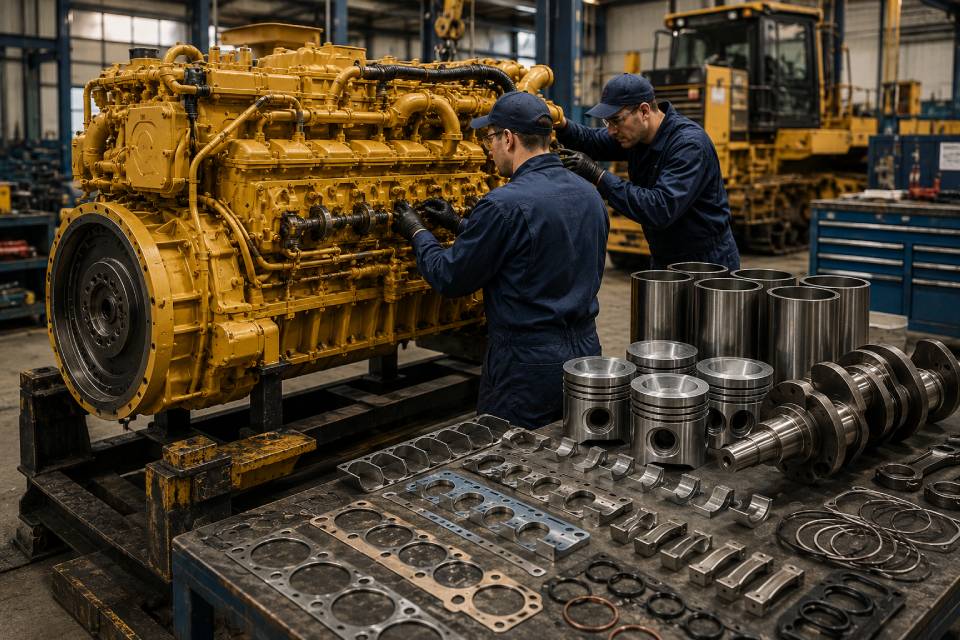
Bir alıcı, pistonlar, silindir gömlekleri, yataklar, conta seti, belki enjektörler, belki turboşarj ve hasar çok ciddiyse belki de krank mili ister. İyi bir başlangıç. Ancak bu, dizel motorun tamir maliyetinin tamamı değildir. Bu sadece parça alışveriş listesidir.
Gerçek maliyet, gözden kaçan ayrıntılarda gizlidir:
Motorun sökülmesi ve takılması
Sökme ve temizleme
Blok muayenesi ve işleme
Silindir kafası basınç testi ve onarımı
Krank milinin parlatılması, taşlanması veya değiştirilmesi
Bağlantı kolu muayenesi
Ana yataklar, bağlantı kolu yatakları, itme yatakları
Pistonlar, piston gömlekleri, segmanlar
Tam conta seti ve sızdırmazlık elemanları
Enjektör kalibrasyonu
Yakıt pompası testi
Turboşarj muayenesi
Yağ soğutucusu, su pompası, termostat, hortumlar
Radyatör ve fan kontrolü
Deneme çalışması veya yük testi
İç nakliye, vinç, ihracat ambalajı, kargo, gümrük, vergiler
Arıza süresi
Genellikle en sonuncusu en zor olanıdır.
Çünkü teklifte 18.000 ABD doları, 25.000 ABD doları veya 40.000 ABD doları gibi bir rakam belirtilmiş olabilir. Ancak başarısızlık maliyeti, üretim kaybını, ceza riskini, acil hava kargo masraflarını ve artık tedarikçinin güvenilmez olduğunu düşünen bir müşteriyi de içerebilir.
Deneyimlerime göre, en ucuz revizyon teklifi genellikle aslında ucuz değildir. İşin yarısı eksik kalır.
Ve eğer birisi, bilinmeyen parçalar, bilinmeyen makine işlemleri, yük testi yapılmaması, ölçüm raporu olmaması ve yağ analizi geçmişinin bulunmaması gibi koşullarda 2.000 saatlik ya da bir yıllık garanti bekliyorsa — üzgünüm, bu kontrollü bir yeniden imal değildir. Bu, baret takmış bir umuttur.
Uygulamaya Göre Dizel Motor Revizyon Zamanlaması
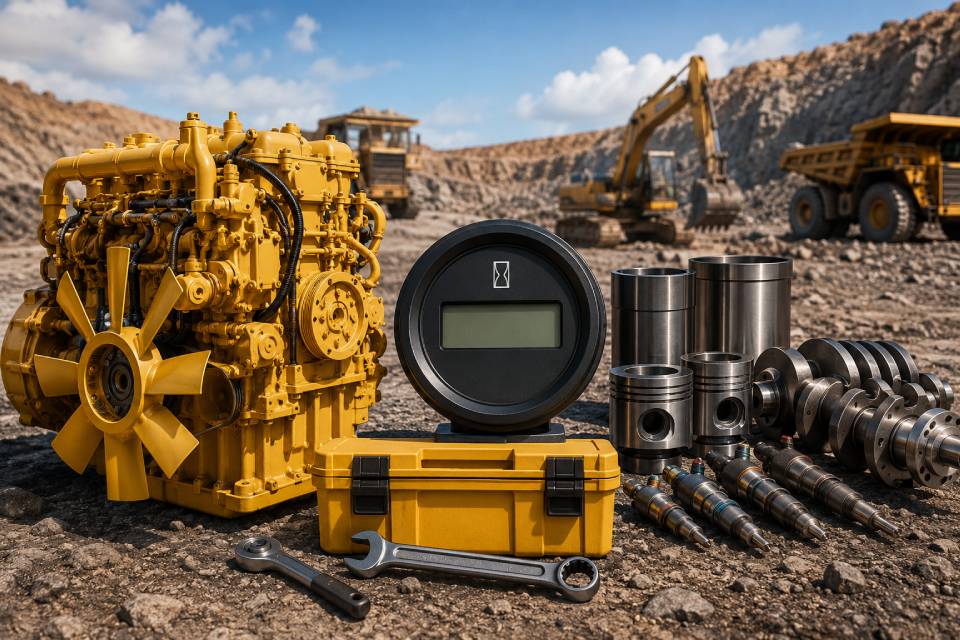
Madencilik ve Taş Ocağı Motorları
Toz her şeyi değiştirir.
Bir madencilik motoru nazikçe eskimiyor. Isı, aşındırıcı toz, yüksek yük, uzun vardiyalar, yetersiz temizlik alışkanlıkları ve makineyi durdurmanın maliyeti olduğu için çalışmaya devam eden operatörler yüzünden ağır bir yük altında kalıyor. Yağ analizinde silikon (Si) burada önem kazanıyor. Si ve Fe değerleri birlikte yükselirse, toz girişi ve gömlek aşınmasını düşünmeye başlıyorum.
Bu, öğütme macunu alanına giriyor.
Kanadalı petrol kumu işletmecileriyle ilgili bir Reuters raporu, bakım disiplininin, ekipman güvenilirliğinin ve daha uzun bakım aralıklarının üretim ekonomisini ne kadar önemli ölçüde değiştirebileceğini ortaya koydu; bir işletmeci, 2021’den bu yana bakımla ilgili giderlerini yıllık $100 milyon Kanada doları azalttı; bir diğeri ise maliyet iyileştirmelerinin kısmen bakım uygulamalarının standartlaştırılmasıyla bağlantılı olduğunu bildirdi. Bu, küçük işletmelerin de bildiği bir gerçeği büyük ölçekte kanıtlamaktadır: Bakım zamanlaması paradır.
Taş ocağı çalışmalarında, toz kaynaklı hasarın çerçeve içindeki bir sorunu büyük bir motor arızasına dönüştürmesini beklemek yerine, elimde kanıt varken erkenden bir revizyon yapmayı tercih ederim.
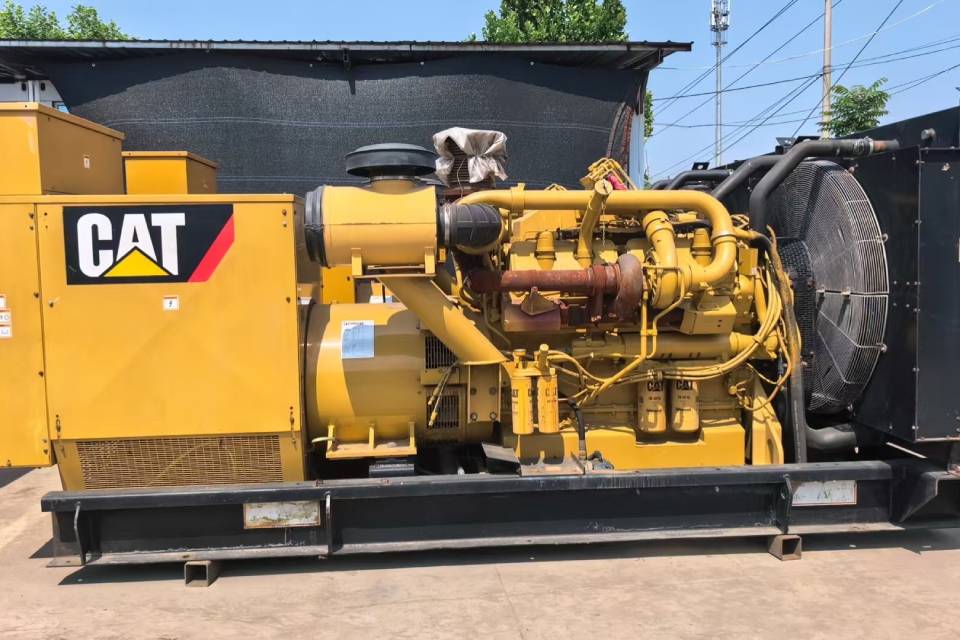
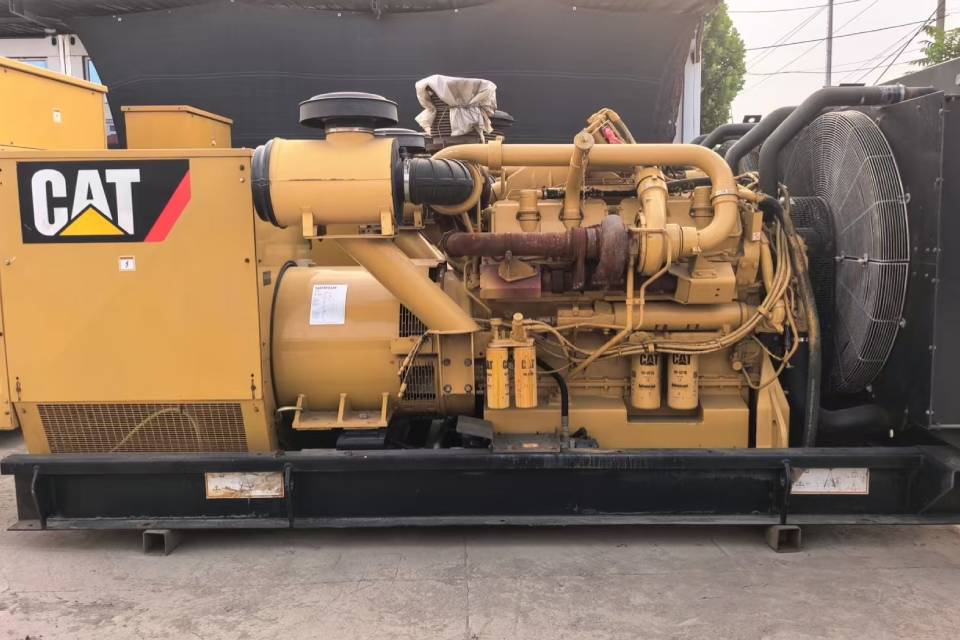
Jeneratör Motorları
Jeneratör motorları insanları yanıltır.
Düşük çalışma saati, özellikle ikinci el jeneratör ilanlarında cazip görünebilir. “Sadece 23 saat.” Kulağa harika geliyor. Belki de öyledir. Ya da belki de ünite on yıl boyunca atıl kalmış, hafif yük testlerine tabi tutulmuş, hiçbir zaman uygun çalışma sıcaklığına ulaşamamış, nem birikmiş, yakıt kalitesi bozulmuş, aküler zayıflamış ve soğutma sıvısı sorunları yaşamıştır.
Çalışma saati az olan bir jeneratör, otomatik olarak iyi olduğu anlamına gelmez.
Jeneratör motorları için şunları isterim:
ECM/kontrol ünitesi çalışma saati kayıtları
Yük testi raporu
Yağ analizi eğilimi
Bakım geçmişi
Başlatma ve çalıştırma videoları
Egzoz dumanı gözlemi
Blow-by kontrolü
Çalışma saatlerinin olağandışı derecede düşük veya yüksek olmasının nedeni
Prime-Power jeneratör motorları ise yine farklıdır. Bir ünitenin çalışma saati yüksek olsa da yağ değerleri iyi seyrediyorsa, yakıt tüketimi istikrarlıysa, yük kayıtları iyi durumdaysa ve uygun bakım yapılmışsa, bu bulguları ciddiye alırdım.
Boya, delil değildir.
Deniz Dizel Motorları
Deniz dizel motorları, arızaların atölyeden, vinçten, yedek parça rafından ve uygun fiyatlı onarım seçeneklerinden çok uzakta meydana gelebileceği için farklı bir risk barındırır.
Bu nedenle, deniz dizel motorlarının revizyon zamanlaması konusunda daha temkinli davranırdım.
Deniz dizel motorlarına yönelik veriye dayalı arıza teşhis teknikleri üzerine 2024 yılında yapılan bir araştırma, hızlı arıza tespitinin arızaların önlenmesine, ciddi arıza riskinin azaltılmasına, hizmet dışı kalma süresinin en aza indirilmesine ve güvenilirliğin artırılmasına yardımcı olduğunu vurgulamıştır.
Mantıklı.
Denizde, “bunu sonra kontrol ederiz” ifadesi çok pahalıya mal olabilir. Belki de tehlikeli de olabilir.
İnşaat Ekipmanları Motorları
İnşaat ekipmanlarında sorunların teşhisi zordur, çünkü motorla ilgili belirtiler ve hidrolik sistemle ilgili belirtiler birbiriyle iç içe geçmiştir.
Düşük güç, silindirlerin aşınmış olmasından kaynaklanıyor olabilir. Ya da yakıt beslemesindeki bir sorun. Ya da turbo sorunu. Ya da hava akışında kısıtlanma. Ya da aşırı ısınma. Ya da motoru yavaşlatan bir hidrolik yük sorunu. Makinenin asıl sorununun hidrolik sisteminde olduğu halde, insanların dizel motoru suçladığını gördüm.
Bu yüzden, operatör “güçsüz” dedi diye bir ekskavatörde aceleyle kapsamlı bir bakım yaptırmam.”
Benim Pratik Kuralım: Üç Kötü Sinyal, Tek Bir Güçlü Görüşten Daha İyidir
Bir belirti, teşhis edilmeyi gerektirir.
Üç eşzamanlı belirti, bir yeniden yapım bütçesi ayrılmasını gerektirir.
Ben olaya böyle bakıyorum. Belki kulağa biraz sert gelebilir, ama bu sektörde bir satıcı, tamirci veya operatörün kendine güvenen bir görüşü tek başına yeterli değildir. Birbiriyle örtüşen işaretler görmek istiyorum.
Sinyal
Normal İzleme
Ciddi Uyarı
Motor çalışma saati
Öngörülebilir artış
Çalışma saatleri fazla, kayıtlar yetersiz
Yağ analizi
İstikrarlı bir giyim eğilimi
Fe, Cu, Pb, Al, Si, kurum, glikol ve yakıt seyreltilmesindeki artış
Blow-by
Yük altında sabit
Karter basıncının artması ve gözle görülür buhar
Yakıt tüketimi
Sabit kontör yükleme oranı
Ani artış veya sürekli büyüme
Yakıt tüketimi
Taşınan her kWh veya ton başına sabit yakıt tüketimi
Aynı verim için daha fazla yakıt
Egzoz dumanı
Yük değişikliği sırasında kısa süreli duman
Sürekli mavi, beyaz veya siyah duman
Sıkıştırma
Beklenen aralık içinde
Birden fazla zayıf silindir
Arıza süresi maliyeti
İşletme açısından etkisi az
Arıza, üretimi veya hizmeti durdurur
Parça temini
Stokta mevcut
Krank mili, motor bloğu, silindir kafası ve enjektörler için uzun teslim süresi
Müşteri talebi
Kesin bir garanti yoktur
Sözleşme süresi 1 yıl veya 2.000 saattir
Zayıf bir motor, genellikle arıza vermeden önce bazı belirtiler gösterir.
Petrol, hikayenin bir yönünü anlatır. Blow-by ise başka bir yönünü. Yakıt tüketimi de başka bir yönünü. Arıza süresi maliyeti ise muhasebecinin nihayet anladığı kısmı oluşturur.
Eğer bu belirtilerin hepsi aynı yönde işaret ediyorsa, sırf motor çalışıyor diye “hala bir sorunu yokmuş” gibi davranmayı bırakın.
Başlamak, sağlık demek değildir.
Para Harcamadan Önce Nasıl Karar Verirdim
1. Adım: Çalışma Saatlerini Doğrulayın
ECM çalışma saatlerini, kontrolör çalışma saatlerini, servis sayacını, faturaları, operatör kayıtlarını, yük kayıtlarını ve varsa yeniden yapılandırma geçmişini kontrol ederdim.
Rakamlar uyuşmuyorsa, kimseyi hemen yalancı olarak nitelendirmem. Ancak bu saatlere artık kesin bir gerçek olarak güvenmeyi bırakırım.
Çalışma saatleri belirsiz bir makine, daha fazla iyimserliğe değil, daha fazla denetime ihtiyaç duyar.
2. Adım: Yağ Numuneleri Alın
Yağ numunesi almak basit bir işlem gibi görünse de, pek çok kişi bunu hâlâ yanlış yapıyor.
Soğuk ve boş bir karterden yağ almayın ve rapor mükemmelmiş gibi davranmayın. Numuneyi doğru şekilde alın. Motor modelini, seri numarasını, yağ markasını, yağ viskozitesini, yağ çalışma saatlerini, motor çalışma saatlerini, ilave edilen yağ miktarını, kullanım amacını ve son onarımları kaydedin.
Caterpillar’ın numune alma kılavuzuna göre, doğru yağ analizi sonuçlarının elde edilebilmesi için etikette motor modeli ve diğer tanımlayıcı bilgiler yer almalıdır. Küçük bir ayrıntı. Büyük sonuç.
Uygun olmayan koşullar, iyi laboratuvar verilerinin güvenilirliğini azaltır.
3. Adım: Blow-by ve Sıkıştırma Ölçümü
Bir video yeterli değildir.
Blow-by değerini benzer koşullarda, ideal olarak motor sıcakken ve yük altındayken ölçerdim. Ardından, mümkün olduğunda silindir sıkıştırma veya silindir basıncı verilerini karşılaştırırdım. Tek bir silindirin düşük olması bir ipucudur. Birkaç silindirin zayıf olması ise bir örüntüdür.
Desenler önemlidir.
4. Adım: Motoru Suçlamadan Önce Soğutma ve Yakıt Sistemlerini Kontrol Edin
Bir motoru sökmeden önce radyatörün durumunu, fan hızını, termostatın çalışmasını, soğutma sıvısının kalitesini, su pompasını, hortumları, yağ soğutucusunu, enjektör püskürtmesini, yakıt pompasının çıkışını, hava akışındaki kısıtlamaları, turboşarjı, son soğutucuyu ve kontrol aktüatörünü kontrol ederdim.
Neden?
Çünkü bir motor, aslında yakıt yetersizliği, aşırı ısınma, akış kısıtlaması ya da kötü kontrol nedeniyle yıpranmış gibi görünebilir. Yanlış teşhis ettiğiniz bir sorunu, motorun tamir edilmesi çözmez.
5. Adım: Kesinti Maliyetini Yetişkin Gibi Hesaplayın
Şu formülü kullanın:
Arıza Süresi Maliyeti = Üretim Kaybı + Atıl İşgücü + Makine Kiralama + Acil Nakliye + Ceza Riski + Onarım Primleri
Şimdi karşılaştırın:
Planlı Bakım Maliyeti ile Arıza Maliyeti Karşılaştırması
Planlanan bir revizyonun maliyeti 25.000 ABD dolarıysa ve olası arıza riski 80.000 ABD dolarıysa, beklemek mali disiplin değildir. Bu, daha süslü bir ifadeyle kumar oynamaktır.
SSS
Bir dizel motorun revizyonuna kaç saat kalmıştır?
Bir dizel motorun revizyonu genellikle, belirli bir sabit hizmet saati sayısına ulaşıldıktan sonra değil, çalışma saatleri, görev döngüsü, yağ analizi, blow-by, yağ tüketimi, yakıt tüketimi, sıkıştırma ve arıza süresi riski gibi faktörlerin bir araya gelerek güvenilirliğin azaldığını gösterdiği durumlarda değerlendirilir. Ağır hizmet tipi motorlar, özellikle zorlu çalışma koşullarında, genellikle 5.000–12.000 saat sonra daha sıkı bir izleme sürecine alınır.
Temiz bir yedek jeneratör, uygun yük testleri, temiz yağ raporları, istikrarlı soğutma sıvısı durumu ve blow-by eğilimi olmaması koşuluyla, revizyona gerek kalmadan uzun yıllar çalışabilir. Bir taş ocağı veya deniz motoru ise toz, ısı, yük ve bakım için yetersiz erişim nedeniyle çok daha erken revizyon aşamasına gelebilir.
Dizel motor revizyonunun başlıca belirtileri nelerdir?
Ana dizel motorun revizyona ihtiyaç duyduğunu gösteren başlıca belirtiler şunlardır: artan blow-by, artan yağ tüketimi, düşük sıkıştırma oranı, sürekli egzoz dumanı, anormal yakıt tüketimi, zor çalıştırma, güç kaybı, aşırı ısınma geçmişi, yağ analizinde metal kirliliği, yağda soğutma sıvısı veya yakıt seyreltilmesi ve sürekli çalışmayı mali açıdan riskli hale getiren tekrarlanan arıza süreleri.
Tek bir belirti, otomatik olarak motorun tamamen elden geçirilmesi gerektiği anlamına gelmez. Bu, bir teşhis gerektirdiği anlamına gelir. Ancak gaz kaçışı, yağ tüketimi, sıkıştırma kaybı ve olumsuz yağ analizi sonuçları bir arada ortaya çıktığında, motor artık küçük ipuçları vermiyor demektir. Bu durum, motorun yeniden yapım planı gerektirdiğini gösterir.
Motorun blow-by sorunu her zaman revizyon gerektirir mi?
Motorun blow-by'ı her zaman revizyon gerektirdiği anlamına gelmez; zira tüm dizel motorlar bir miktar karter gazı üretir. Ancak, artan blow-by'ın yağ tüketimi, düşük sıkıştırma oranı, duman ve anormal metal aşınmasıyla birleşmesi, genellikle segman, gömlek, piston veya silindir contalarında aşınmaya işaret eder ve bu durum, şasi içinde revizyon veya büyük revizyon gerektirebilir.
Önemli olan eğilimdir. Tek bir deneme videosu, sorunu abartabilir. Yük altında yapılan ve eski kayıtlarla yağ analiziyle karşılaştırılan titiz bir sızıntı testi, makinenin yanında duran birinin görüşünden çok daha net bir sonuç verir.
Yağ analizi, dizel motorun revizyon zamanının belirlenmesinde nasıl yardımcı olur?
Yağ analizi, birden fazla numuneden elde edilen Fe, Cu, Pb, Al, Si, kurum, viskozite, TBN, su, glikol, soğutma sıvısı ve yakıt seyreltme gibi verileri kullanarak, tam bir arıza meydana gelmeden önce iç aşınma, kirlenme, yağ bozulması ve yanma sorunlarını ortaya koyarak dizel motorun revizyon zamanlamasının belirlenmesine yardımcı olur.
Tek bir anormal rapor, örnekleme hatasından, yakın zamanda yapılan onarımdan kalan kalıntılardan veya geçici bir kirlenmeden kaynaklanabilir. Tekrarlanan bir eğilimi ise göz ardı etmek daha zordur. Aşınma metalleri, kurum, yakıt seyreltmesi veya soğutma sıvısı göstergeleri sürekli olarak olumsuz yönde seyrediyorsa, motor kendi aleyhine kanıtlar biriktiriyor demektir.
Dizel motor revizyonunda en büyük maliyet faktörünü ne oluşturur?
Dizel motor revizyonunda en büyük maliyet faktörleri, planlanmamış duruş süreleri, acil onarımlar, yakıt israfı, yağ tüketimi, üretim kaybı, nakliye aciliyeti ve sözleşme risklerinin, kontrollü parça, işçilik, denetim ve test süreçlerini içeren planlı bir revizyondan daha pahalıya mal olduğu anlardır.
Bu nedenle alıcılar, yedek parça fiyatları konusunda tartışmaya girmeden önce makinenin çalışmama süresini hesaplamalıdır. Yeniden imalat teklifinde 3.000 ABD doları tasarruf etmek, makine üretim yoğunluğu sırasında arızalanır ve 30.000 ABD doları tutarında işletme kaybına yol açarsa, pek bir anlam ifade etmez.
Son Düşünceler: Motorun Patlamasını Beklemeyin
Bir dizel motorun revizyonu, arıza anlamına gelmez.
Körü körüne hareket etmek başarısızlıktır.
Yağ analizi yok. Blow-by kaydı yok. Sıkıştırma verileri yok. Yakıt tüketimi eğilimi yok. Soğutma sistemi kontrolü yok. Arıza süresi hesaplaması yok. Sonra motor arızalanıyor ve herkes şaşkınlık gösteriyor. Buna inanmıyorum.
Çoğu motor, bozulmadan önce insanları uyarır. Her zaman yüksek sesle olmasa da, yine de uyarırlar.
CAT, Cummins, Perkins, Volvo Penta, MTU, Mitsubishi ve diğer ağır hizmet tipi dizel motorlar için akıllıca olan adım, sıkıcıdır: çalışma saatlerini takip etmek, yağı test etmek, sızıntıyı ölçmek, sıkıştırmayı kontrol etmek, yakıt tüketimini doğrulamak, soğutmayı incelemek, parça teslim sürelerini teyit etmek ve krank mili, blok veya silindir kafası masraflı bir sorun haline gelmeden önce arıza süresini hesaplamak.
Genel bakım planlamadan önce orijinal motor parçalarına, kontrol bileşenlerine, soğutma parçalarına veya Caterpillar yedek parçalarına mı ihtiyacınız var? Motor modelinizi, seri numaranızı, parça numaralarınızı, fotoğraflarınızı ve istenen teslim süresini belirterek Ruipo Spare Parts ile iletişime geçin. Onarım süresi dolmadan önce orijinal parçaların stok durumunu kontrol etmenize yardımcı olacak ve pratik bir tedarik seçeneği sunacağız.