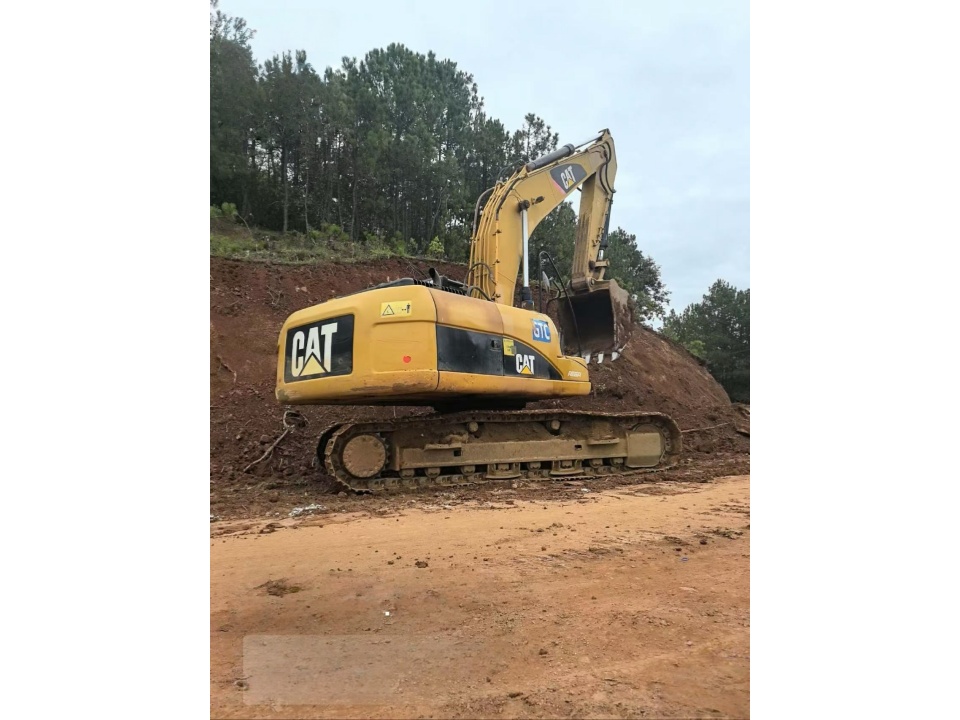
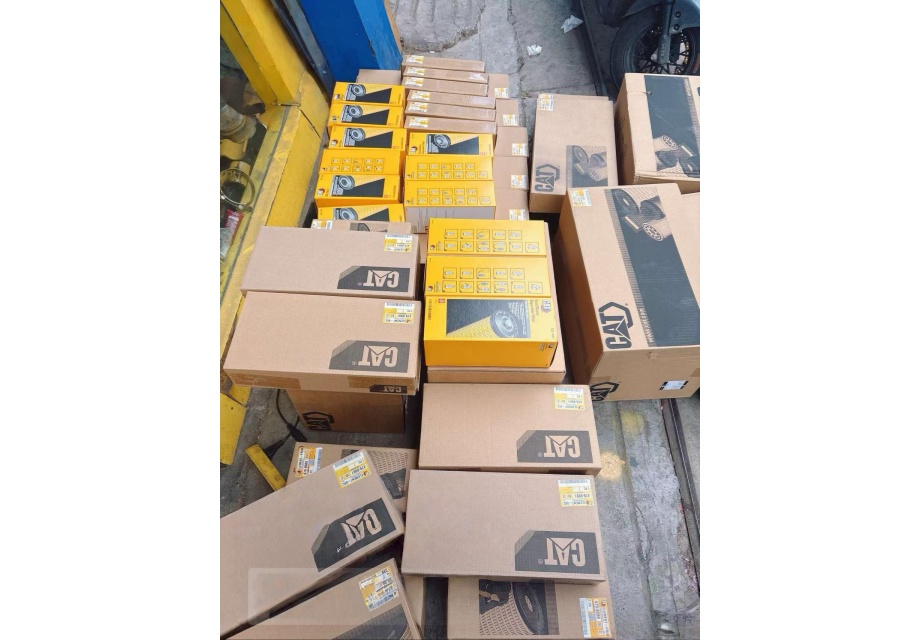
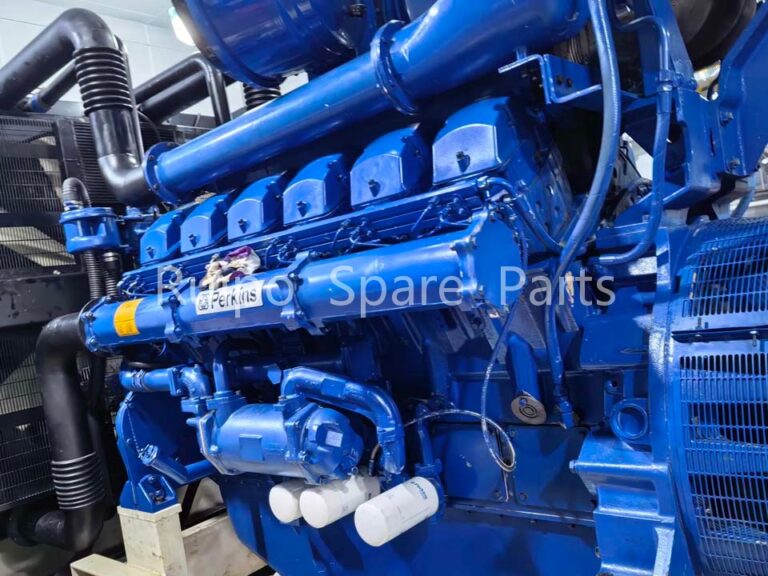
“O fornecedor ofereceu-nos uma verdadeira solução de peças num só local. A sua equipa fez corresponder as peças Caterpillar, Perkins e de filtro certas para o nosso equipamento, e o apoio manteve-se rápido e profissional desde a consulta até à entrega.”
Gestor de aquisições
Projectos de peças para equipamento pesado
o que os outros dizem sobre nós
“O fornecedor ofereceu-nos uma verdadeira solução de peças num só local. A sua equipa fez corresponder as peças Caterpillar, Perkins e de filtro certas para o nosso equipamento, e o apoio manteve-se rápido e profissional desde a consulta até à entrega.”
Limites para a reconstrução de motores a diesel, por tipo de equipamento e ciclo de funcionamento
Já vi dois gestores de frota ao lado de motores com leituras de contador quase idênticas a falar deles como se tivessem tido vidas idênticas, apesar de um ter passado os dias a funcionar tranquilamente a uma temperatura estável, enquanto o outro tinha estado a inalar o pó da pedreira, a aquecer-se após o desligamento e a lutar contra a procura hidráulica desde o início do dia.
Índice
As mesmas horas. Um motor diferente.
Esse é o primeiro problema com a conversa habitual sobre a reconstrução de motores a gasóleo. Alguém pergunta: “Quantas horas é que isto deve durar?” Depois, tira-se um número de um fórum na Internet, de uma história contada por um concessionário ou de uma tabela de manutenção de que se lembra vagamente.
Dez mil.
Quinze mil.
Talvez vinte.
Parece bem organizado, não é?
Eis a dura realidade: muitas vezes, é precisamente um número redondo que arruína o orçamento. Um motor a diesel com 12 000 horas num gerador de reserva não realizou necessariamente um trabalho mecânico comparável ao de uma escavadora com 12 000 horas que passou anos a alternar entre inatividade, carga de rotação, demanda da bomba, força de arranque e paragens por superaquecimento.
O contador regista o tempo. É só isso.
Uma decisão sensata sobre a reconstrução de um motor a diesel tem de ter em conta a carga média, o consumo acumulado de combustível, a percentagem de marcha lenta, os arranques a frio, a entrada de poeira, o histórico do líquido de arrefecimento, o consumo de óleo, as fugas de gás, a compressão, o equilíbrio dos injetores, os episódios de sobreaquecimento, o estado do lubrificante e o custo de a máquina ficar inoperacional quando alguém realmente precisar dela.
Se ignorarmos esses aspetos, a “vida útil do motor a gasóleo” torna-se um tema de conversa de bar, acompanhado de uma fatura.
O contador de horas não é um indicador de desgaste
Um encarregado disse-me uma vez que o seu motor era “novo” porque tinha apenas 9 000 horas.
Talvez.
Mas a máquina tinha estado a trabalhar num local quente e abrasivo, a caixa do filtro de ar apresentava vestígios de sujidade e o operador admitiu que o aviso de temperatura se tinha acendido “algumas vezes”. Essa frase—algumas vezes—pode esconder uma quantidade surpreendente de danos no pistão, na camisa, na junta da cabeça do motor e na película de óleo.
As horas de funcionamento do motor medem a duração. Não medem diretamente a pressão de combustão, a dissipação de calor, a exposição ao pó, o combustível consumido nem o número de vezes que um motor frio foi submetido a um esforço intenso antes de o óleo ter circulado adequadamente.
Essa distinção é importante.
O inventário de diesel para veículos todo-o-terreno da Califórnia define o fator de carga como a fração média da potência nominal utilizada enquanto o motor está em funcionamento. Os dados relativos ao equipamento revelaram fatores de carga que variaram entre 0,20 e 0,54, com uma média global de 0,38. Mais interessantes, porém, foram os dados relativos às escavadoras: os registos de consumo de combustível e horas de funcionamento de 170 escavadoras indicaram um fator de carga estimado de 49%, em comparação com os 39% anteriormente modelados.
Dez pontos percentuais.
Não é pequeno.
Essa discrepância é suficientemente grande para desviar o planeamento das revisões, as projeções de combustível e os pressupostos relativos à substituição da frota na direção errada — especialmente quando uma folha de cálculo trata todas as horas registadas como iguais. Os números estão disponíveis em Inventário de Emissões de Combustíveis Diesel em Serviço da CARB de 2022.
Uma forma simples de normalizar as horas é:
Horas equivalentes a plena carga = horas de funcionamento do motor registadas × fator de carga médio
Assim, uma escavadora com 10 000 horas de funcionamento, operando com um fator de carga médio estimado de 0,49, acumulou cerca de 4 900 horas equivalentes a plena carga.
Útil? Claro.
Concluído? Nem por sombras.
Esse cálculo não tem em conta se o filtro de ar estava corretamente instalado. Não sabe se o motor ficou em marcha lenta durante quatro horas em cada turno, se o refrigerador do ar de admissão estava parcialmente obstruído ou se o sistema de arrefecimento tinha sido lavado com jato de alta pressão até as aletas ficarem dobradas como cartão molhado.
Também não tem em conta arranques a frio, diluição de combustível, gotejamento dos injetores, vitrificação dos cilindros, termóstatos fracos, composição inadequada do líquido de arrefecimento, atraso do turbo, utilização indevida por parte do operador e acumulação de calor após o desligamento.
E é por isso que, sinceramente, acredito que o consumo de combustível merece mais atenção do que aquela que lhe é dada. O consumo de combustível também não é perfeito, mas indica-nos quanta energia o motor realmente processou. Mais combustível significa, geralmente, mais pressão de combustão, mais calor, maior deslocamento dos anéis, maior carga nos rolamentos e mais trabalho no veio de manivelas.
A Cummins, por exemplo, publicou um valor de vida útil até à revisão geral de até 625 000 galões americanos — cerca de 2,37 milhões de litros de combustível — para uma configuração da locomotiva QSK38, em vez de descrever a vida útil apenas em horas de funcionamento.
É possível aplicar esse número a uma escavadora de 20 toneladas?
Claro que não.
Mas isto revela algo que a indústria já sabe e que os departamentos de compras muitas vezes esquecem: um planeamento sério da vida útil do motor tem, por vezes, de ter em conta o consumo de combustível e a intensidade de utilização, porque o tempo, por si só, não é um indicador fiável.
Janelas práticas de planeamento da reconstrução por tipo de equipamento
Estes números não são linhas mágicas traçadas na areia. São Faixas orçamentais B2B—o momento em que gostaria de ter os dados de inspeção, o orçamento, o planeamento de peças e os planos de contingência para tempos de inatividade já preparados, antes que o motor comece a tomar decisões por nós.
Esses intervalos baseiam-se em declarações publicadas pelos fabricantes originais (OEM) sobre a vida útil até à revisão, em casos de reconstrução em campo, em estudos sobre o fator de carga, em informações de assistência técnica e nas diferenças mecânicas óbvias entre as diferentes aplicações do equipamento.
Equipamento ou aplicação
Iniciar a revisão formal das condições
Janela do orçamento para a reconstrução em curso
O que costuma antecipar a data
Escavadoras e equipamento de construção
8 000–10 000 horas
10 000–15 000 horas
Ingestão de poeira, tempo prolongado em marcha lenta, sobreaquecimento, picos de carga hidráulica, filtragem de ar deficiente
Carregadoras, bulldozers e equipamento de transporte fora de estrada
10 000–12 000 horas
12 000–20 000 horas
Níveis de pressão elevados e prolongados, temperatura ambiente elevada, ciclos de sobrecarga, óleo ou líquido de arrefecimento contaminados
Motores fora de estrada para condições de trabalho extremas
8 000–10 000 horas
Cerca de 12 000 horas ou prorrogação com base no estado de conservação
Elevado fator de carga, locais abrasivos, ciclos térmicos repetidos
Grupos geradores a diesel de potência principal
15 000–20 000 horas
20 000–30 000+ horas
Carga elevada contínua, qualidade do combustível, limites de arrefecimento, temperaturas de escape desiguais nos cilindros
Grupos geradores a diesel de reserva
Análise por estado e idade de calendário desde a entrada em serviço
Muitas vezes não há limite de horas; é possível atingir mais de 30 000 horas entre revisões gerais
Humidade, corrosão, combustível envelhecido, exercícios curtos sem carga, falhas nos sistemas de arranque
Motores diesel de propulsão marítima e auxiliares
8 000–16 000 horas, dependendo do componente
16 000–36 000 horas para muitas revisões
Carga contínua elevada, desajustamento da hélice, problemas de arrefecimento com água salgada, enxofre, navegação a baixa velocidade
Seleção de motores marítimos comerciais modernos
Seguir o programa baseado no estado do fabricante de equipamento original (OEM)
Até 60 000–96 000 horas para componentes específicos ou famílias de motores
Contaminação do combustível, composição química da água de arrefecimento, desequilíbrio na combustão, inspeções não realizadas
Leia a tabela com atenção. Diz “revisão” e “orçamento”, e não “desmontar o motor assim que o contador de horas chegar ao limite”.”
Essa diferença sai cara.
A Cummins afirma que o seu motor QSG12 para veículos fora de estrada pode atingir ou ultrapassar as 12 000 horas antes de uma revisão geral, sem necessidade de uma revisão intercalar. O caso da pedreira de Verdalskalk da Caterpillar descreveu que as reconstruções das máquinas ocorrem normalmente por volta das 15 000 horas, dependendo do estado em que se encontram. A Cummins também publicou material a indicar que os motores de geradores de reserva podem, normalmente, ultrapassar as 30 000 horas entre revisões gerais.
Depois, passamos às grandes plataformas marítimas comerciais, onde certos valores publicados relativos a componentes ou revisões gerais se aproximam das 60 000 ou mesmo das 96 000 horas.
Da mesma família de combustíveis.
Uma vida completamente diferente.
Quem quer que promova um intervalo universal de revisão para motores a gasóleo em todas essas aplicações está a simplificar excessivamente o problema ou a tentar vender um kit de revisão.
Limites para a reconstrução do motor de uma escavadora
Por volta das 8 000 horas, eu começaria a manter um registo adequado do estado do motor de uma escavadora — mesmo que este arranque sem problemas, tenha boa potência e não consuma óleo a ponto de preocupar o operador.
Não encomende pistões por enquanto.
Recolher provas.
Meça a pressão no cárter sob uma carga repetível. Registe a quantidade de óleo adicionada por cada 100 horas. Acompanhe as adições de líquido de arrefecimento, em vez de confiar na afirmação de alguém de que “é preciso um pouco de vez em quando”. Analise a taxa de combustível injetado, os valores de correção dos injetores, a contribuição dos cilindros, a variação da temperatura dos gases de escape, a pressão de sobrealimentação, a restrição na admissão e, pelo menos, três relatórios consecutivos de análise de óleo.
Porquê três?
Porque uma amostra pode estar suja. Pode ter sido recolhida após trabalhos de reparação. Pode refletir um intervalo de troca de óleo longo, um intervalo curto, um frasco contaminado ou um motor que passou a semana a funcionar em marcha lenta.
É mais difícil enganar uma tendência.
Entre cerca de 10 000 e 15 000 horas, a discussão comercial torna-se mais acesa. Não porque o motor esteja automaticamente concluído, mas porque o custo de se cometer um erro começa a aumentar.
Um Cummins QSG12 foi concebido com base numa meta publicada de 12 000 horas de vida útil até à revisão geral. O caso da pedreira norueguesa da Caterpillar descreveu que as reconstruções completas da máquina são normalmente realizadas por volta das 15 000 horas, dependendo do estado da mesma. Nesse caso, uma reconstrução não certificada custava aproximadamente 35% a 40% do preço de uma máquina nova, enquanto se esperava que outra Cat 988H reconstruída ganhasse mais 6 000 a 7 000 horas de funcionamento.
Isso é aritmética útil.
O Caso da reconstrução da pedreira de Verdalskalk em 2023 Isso não prova que todos os motores de escavadoras devam ser desmontados às 15 000 horas. No entanto, demonstra por que razão uma revisão planeada pode fazer sentido quando o quadro, a estrutura, a aplicação e o valor residual da máquina ainda merecem ser protegidos.
Mas — e este erro é cometido constantemente — uma escavação lenta não significa, automaticamente, cilindros fracos.
Suponhamos que o motor atinja a velocidade nominal, que a máquina se desloque razoavelmente bem, que não haja um aumento significativo das fugas de gás e que as amostras de óleo pareçam estáveis, mas que a caçamba pareça pouco ágil em materiais duros. Isso pode ser um problema relacionado com a bomba, a válvula de alívio, o sistema de controlo, uma fuga ou a eficiência hidráulica, em vez de ser um problema do motor.
O mesmo se aplica ao sobreaquecimento. Um mecânico vê a temperatura do líquido de arrefecimento a subir sob carga, repara numa ligeira névoa de óleo e alguém conclui logo que o problema está nas camisas dos cilindros ou na junta da cabeça do motor. Calma lá. Verifique o núcleo do radiador, detritos entre os radiadores, o passo do ventilador, a direção do ventilador, a velocidade do ventilador, as folgas da cobertura, o estado da correia, a abertura do termóstato, o caudal da bomba de água, a pressão da tampa, a temperatura do ar de admissão e a concentração do líquido de arrefecimento.
Um equipamento danificado, mal especificado ou que funcione incorretamente CAT 637-6650 Ventilador axial de sucção de 24 V com sete pás pode causar um problema de sobreaquecimento que, gradualmente, se transforma em danos reais no interior do motor.
No entanto,, numa primeira fase, continua a ser um problema de refrigeração.
Resolva o que está errado.
Limites para a revisão geral de motores de geradores a gasóleo
Generator engines confuse people because “generator duty” can mean almost anything.
There’s the standby unit sitting behind a hospital, data center, warehouse, telecom site, or water-treatment facility. It may run only a handful of hours during a normal year. Then there’s the prime-power set working a remote camp, mine, construction site, island grid, or industrial facility for thousands of hours annually.
Those engines may share a badge.
Their lives aren’t similar.
A standby generator can have low hours and still be unreliable. Moisture creeps into the crankcase and exhaust. Fuel ages. Batteries sulfate. Jacket-water heaters fail. Seals harden. Contacts corrode. Rodents discover wiring. Short, unloaded exercise runs create soot and condensation while allowing everybody to claim the unit was “tested.”
It spun.
That isn’t the same as proving it can accept load.
Cummins advises that infrequently used generator sets should be exercised under meaningful load. Its 2024 manual for one Onan diesel model recommends a two-hour monthly exercise at roughly half-rated power rather than a collection of short, nearly unloaded runs.
That makes mechanical sense. The engine reaches temperature, the exhaust heats properly, moisture can evaporate, and the operator has time to catch unstable temperature, smoke, voltage recovery, abnormal noise, fuel leakage, weak cranking, or poor load acceptance.
Prime-power engines get a different beating. They may accumulate 6,000 to 8,000 hours in one year, but they often run at stable temperatures for long periods—which engines generally prefer—while processing a massive volume of fuel.
For those sets, track liters per generated kWh, oil consumption, coolant chemistry, cylinder exhaust temperatures, injector balance, crankcase pressure, boost, and load-step response.
Don’t just write down hours.
An older but still useful Cummins reliability paper states that standby diesel engines can typically run for 30,000 hours or more between major overhauls. I’d treat that as evidence of possible engine capability, not a promise and certainly not an excuse to neglect testing.
A standby unit protecting a cold store, operating theatre, data hall, mine dewatering system, or municipal pump station should be rebuilt while the work can still be planned. Waiting for a dramatic symptom may feel financially conservative right up until the lights go out.
Then it’s panic buying.
Caterpillar has reported a case in which three Cat C32 generator sets supplied a ten-building medical campus for more than a month following a transformer failure. That example isn’t a diesel generator engine overhaul threshold, but it explains why reliability margins matter.
For nonessential rental equipment, you may tolerate more risk.
For medical power? No.
Limites para a revisão geral de motores diesel marítimos
Marine diesel numbers can become nonsense very quickly.
A high-speed engine pushing a planing vessel, a medium-speed ferry engine, a harbor tug, an auxiliary generator, and a low-speed two-stroke main engine may all be described with the same broad phrase—marine diesel—but the mechanical similarities end surprisingly fast.
Bore size changes. Piston speed changes. Continuous rating changes. Fuel changes. Lubrication changes. Cooling-water treatment changes. The engine-room environment changes. Even the meaning of “overhaul” changes because large marine engines are often maintained component by component rather than treated as one sealed lump.
And then somebody asks for one universal marine diesel overhaul interval.
No chance.
Em MAN Energy Solutions Service Letter SL2023-744, published in August 2023, MAN explains that condition-based maintenance strategies can extend guiding overhaul intervals. The same letter warns that waste-heat recovery systems, exhaust-gas bypass arrangements, EGR, SCR, heavy propeller operation, slow steaming, and fuel quality can alter combustion-chamber heat load and wear.
That’s the real stuff.
For one 70-bore ME-C methane configuration, the tables show 16,000-hour overhaul intervals for cylinder liners, piston rings, piston crowns, and piston skirts. A cylinder lubricator is shown at 32,000 hours, while selected components carry expected service lives reaching 60,000 or 96,000 hours.
Don’t drag those figures onto a yacht engine.
They belong to the specified engine architecture, rating, operating conditions, inspection regime, and manufacturer guidance.
But the numbers do prove something: “marine diesel engine overhaul” is not one event at one universal hour count. It can be a sequence of inspections, measurements, overhauls, and component renewals spread across tens of thousands of operating hours.
The fleet evidence gets more interesting. In March 2024, MAN reported that its 51/60DF engine population had passed 10 million cumulative operating hours. The report covered 310 engines in service, cited availability of up to 98%, and stated that field maintenance intervals had exceeded a planned 36,000-hour schedule.
Does that mean every marine engine should be pushed beyond 36,000 hours?
N.º.
It means that good engineering, suitable loading, disciplined maintenance, correct fuel handling, cooling-water control, combustion balance, and proper inspection can support longer intervals than an unverified internet average would suggest.
Condition data earns extensions.
Optimism doesn’t.
Seis sinais de recuperação que são mais importantes do que o relógio
The hour meter is still useful. I’m not throwing it away.
But when the hour count disagrees with physical evidence, I trust the physical evidence.
1. O consumo de petróleo está a aumentar
A mechanic says the engine “uses oil.”
Fine. How much?
That question often produces a shrug, and a shrug isn’t data.
Record liters or quarts added per 100 hours. Better yet, compare oil added with fuel consumed or useful production. An excavator can be tracked by oil per 100 hours and fuel per cubic meter moved. A generator can be measured against generated kWh. A haul machine can be compared with tonnes moved.
The trend matters more than the first number.
An engine that has consumed a stable amount of oil for 4,000 hours may be less concerning than an engine whose consumption has doubled during the last 500 hours, even when the newer number still looks “acceptable” to somebody reading a generic chart.
Rings wear. Liners polish. Valve guides loosen. Turbo seals leak. Crankcase pressure rises. Oil gets pulled into places it shouldn’t be.
Sometimes it’s subtle.
Cummins associates ring and liner problems with increased oil consumption, blow-by, power loss, and aftertreatment damage. That last item is easy to overlook. Oil ash and combustion deposits don’t politely remain inside the base engine; they can move downstream and create another repair bill.
So don’t ask only, “Is it burning oil?”
Ask, “How fast is the consumption rate changing, under what load, and where is the oil going?”
2. O «blow-by» ultrapassou o limite específico do motor
Blow-by is combustion gas leaking past the piston rings into the crankcase.
Every diesel has some.
That’s normal.
What isn’t normal is a steady increase in crankcase pressure under a controlled, repeatable load—particularly when it appears alongside rising oil consumption, low cylinder contribution, haze from the breather, seal leakage, or reduced power.
Caterpillar’s blow-by diagnostic equipment is used to evaluate ring wear, cylinder-wall damage, compression loss, and general engine condition. But the measured number has to be compared with service information for that engine model and test procedure.
Not somebody else’s engine.
Displacement matters. Speed matters. Load matters. Measurement units matter. Test temperature matters. Breather arrangement matters.
A six-liter engine and a 38-liter engine won’t share the same raw flow limit. Nor should they.
I’ve heard people diagnose a rebuild by removing an oil cap and watching it dance.
That’s a clue.
It isn’t a test report.
3. A análise do óleo revela um padrão, e não um único valor alarmante
One high iron result can start an argument.
Three rising iron results start an investigation.
There’s a difference.
A single sample can be affected by poor sampling technique, recent repair work, an extended drain, fresh break-in wear, residue in the bottle, or contamination introduced while the sample was taken.
That’s why I want consecutive reports, sampled from the same point, at comparable intervals, with operating hours and oil-add quantities recorded.
Watch iron (Fe), copper (Cu), lead (Pb), aluminum (Al), chromium (Cr), silicon (Si), sodium (Na), and potassium (K). Then look at viscosity, oxidation, soot, fuel dilution, water, and evidence of glycol.
The relationships matter.
High silicon with rising iron may point toward dirt ingestion. Sodium and potassium, combined with water or glycol indicators, may suggest coolant entry. Copper and lead movement can indicate bearing distress, although cooler cores and other copper-containing components can complicate the picture.
Ethylene glycol—C₂H₆O₂—in engine oil isn’t a casual “check again next service” finding when bearing metals are moving and the coolant level keeps falling.
John Deere’s fluid-analysis material discusses early detection of wear metals, dirt, water, coolant, fuel, soot, additive depletion, viscosity change, and oxidation.
That’s how oil analysis should be used.
Not as a fortune cookie.
4. O consumo de combustível está a aumentar, enquanto a produção diminui
A tired diesel often gets expensive before it gets dramatic.
The operator may not notice because the decline happens slowly. The machine still starts. It still moves. It still makes noise. But it needs more throttle to perform the same work, cycle times stretch, fuel use climbs, and the black-smoke complaint gets blamed on “heavy material.”
Measure it.
For an excavator, compare fuel burn with material moved or repeatable cycle performance. For a generator, track liters per kWh at controlled loads. For haul equipment, measure liters per tonne. For marine engines, review fuel consumption against power, vessel speed, propeller condition, weather, hull fouling, and engine load.
Yet don’t jump straight to rings.
A restricted air cleaner, charge-air leak, worn turbocharger, injector fault, timing issue, exhaust restriction, excessive aftertreatment backpressure, cooling problem, poor fuel, or weak hydraulic system can all make an engine look tired.
Here’s the ugly truth: a new set of liners won’t fix a plugged cooler stack.
It won’t repair a slipping fan drive.
And it definitely won’t restore a worn hydraulic pump.
5. O equilíbrio dos cilindros está a desmoronar-se
One weak cylinder can hide in a large engine for a long time.
The remaining cylinders pick up the work. Exhaust temperatures spread. Fuel corrections move. Smoke changes. The engine may feel slightly rough at one operating point and perfectly acceptable at another.
Then the fault grows.
Measure compression where the OEM procedure supports it. Review cylinder contribution, injector correction, peak firing pressure where available, and exhaust temperature under a steady, repeatable load.
One weak hole might point toward an injector, valve, seat, head, or localized cylinder problem.
Several weak cylinders—combined with rising blow-by, increased oil use, weak loaded power, and wear-metal trends—make an in-frame or full diesel engine overhaul far easier to justify.
But use the correct limits.
A 2024 Cummins service manual for one 1.5-liter IDI generator engine lists a minimum cylinder compression of 370 psi, or 2.55 MPa. That figure belongs to that engine and its specified procedure.
It is not “the minimum compression for a diesel.”
Engines don’t work like that.
6. O problema da refrigeração continua a surgir
An engine overheats once because a plastic bag blocks the radiator.
That’s one thing.
It overheats every time the machine works hard, coolant keeps disappearing, the fan sounds wrong, and the top tank temperature climbs faster each month?
Different story.
Repeated high-temperature operation attacks oil viscosity, piston-to-liner clearance, valve life, turbocharger durability, liner seals, head gaskets, and cylinder-head flatness. The warning light may go off after the machine cools, but the metallurgical damage doesn’t reverse itself out of politeness.
Pressure-test the cooling system. Check the cap. Measure radiator temperature drop. Confirm thermostat operation. Inspect water-pump flow, belt drive, fan speed, fan pitch, fan direction, shroud sealing, charge-air-cooler restriction, coolant concentration, freeze point, and the presence of combustion gas in the cooling system.
And clean the coolers properly.
Blasting a packed radiator from the wrong direction can drive debris deeper into the stack. Hammering soft fins with excessive pressure can reduce airflow while making the surface look clean from five feet away.
Seen it happen.
When the teardown is finally approved, don’t dismiss the small hardware. Reusing stretched, corroded, rounded, or incorrectly graded fasteners can compromise an otherwise careful overhaul.
Reparação da parte superior, reconstrução no interior do quadro ou substituição completa?
Not every smoky, oil-using, low-power diesel needs a complete overhaul.
And not every engine that still starts deserves to keep running.
The correct scope sits somewhere between those two lazy conclusions.
Continua a correr — mas mede com mais frequência
Continue operating when loaded power remains acceptable, fuel consumption is stable, blow-by isn’t moving, oil use is predictable, coolant stays where it belongs, and oil-analysis trends remain flat.
But create stop conditions.
Write them down.
For example: rebuild planning begins if oil consumption rises by a defined percentage, crankcase pressure crosses the OEM limit, glycol appears in two confirmed oil samples, loaded fuel rate worsens beyond the agreed threshold, or one cylinder repeatedly fails the balance test.
“Keep an eye on it” is not a maintenance strategy.
It’s how problems disappear between shifts until the engine puts a connecting rod through the block.
Escolha uma revisão completa
A top-end overhaul makes sense when the problem is concentrated in cylinder heads, valves, seats, guides, injectors, rocker gear, or the turbocharger while the liners, bearings, crankcase pressure, oil pressure, and bottom-end metal trends remain acceptable.
Generator engines with valve recession or unstable exhaust temperatures may fall into this group. So might a marine engine with injector leakage, one damaged head, or localized valve trouble.
This scope can save real money.
But only when the bottom end has been checked rather than ignored.
Escolha uma reconstrução dentro do quadro
An in-frame rebuild becomes reasonable when pistons, rings, liners, rod bearings, and related power-cylinder components show clear wear but the engine block, crankshaft, installation, and main structure remain serviceable.
It avoids some removal, transport, and reinstallation cost. On large equipment, that matters.
Still, I’ve seen cheap in-frames become expensive very quickly because the work stopped at the obvious parts. Nobody checked counterbore condition. Nobody measured crank journals properly. The turbocharger went back on with questionable end play. The oil cooler wasn’t cleaned. The injectors were reused because they “looked okay.”
Then the fresh cylinders ate the old contamination.
False economy.
Escolha entre uma revisão completa ou a substituição do motor
A complete overhaul—or replacement—makes more sense when the crankshaft, main-bearing structure, block, camshaft system, lubrication circuit, multiple cylinders, or major external systems show broad deterioration.
The same applies when parts availability is poor, the engine has an obsolete emissions configuration, the core is damaged, or the expected downtime of rebuilding is worth more than the difference in engine price.
If a planned diesel engine rebuild costs less than the risk-adjusted cost of continued operation, schedule it. If a replacement engine also reduces fuel use, improves emissions compliance, restores warranty protection, solves parts-supply problems, or cuts downtime, rebuilding the old core might not be the bargain it first appears to be.
Cheap isn’t always economical.
Três conclusões do mundo real que vale a pena recordar
The Caterpillar Verdalskalk case is useful because it deals with actual commercial decisions rather than theoretical engine life. The 2023 account described machine rebuilding commonly taking place near 15,000 hours, depending on condition, with one non-certified rebuild costing around 35% to 40% of a new machine.
Another rebuilt Cat 988H was expected to gain 6,000 to 7,000 additional hours.
That’s a business case.
It still isn’t a universal rebuild timer.
CARB’s off-road data gives us a different warning. Its overall equipment load factor was 38%, while the excavator group derived from fuel-and-hour data reached 49%.
Two hour meters can show the same number while the engines behind them have processed substantially different fuel volumes, cylinder pressures, heat loads, and work cycles.
The third example comes from MAN. Its March 2024 report covered 310 model 51/60DF engines that had exceeded 10 million combined operating hours, with availability reported at up to 98% and some field maintenance intervals moving beyond the planned 36,000-hour schedule.
That doesn’t tell us to delay maintenance.
It tells us that inspections, operating discipline, combustion balance, correct fluids, and reliable trend data can justify an extension. Without those things, “condition-based maintenance” is sometimes just a sophisticated phrase for hoping nothing breaks.
My opinion?
Fleet owners need to stop asking, “How long does a diesel engine last?”
Ask this instead:
How much verified life remains in this engine, at this load, in this environment, with this maintenance history—and what will one unplanned failure cost the business?
That question isn’t as neat.
It’s much more useful.
Perguntas frequentes
Quando é que um motor a gasóleo deve ser reconstruído?
A diesel engine should be rebuilt when repeated condition data shows progressive internal wear—such as rising oil consumption, excessive blow-by, uneven compression, worsening fuel efficiency, abnormal wear metals, coolant contamination, or falling loaded power—that can’t be corrected economically through injector, turbocharger, cooling-system, hydraulic, or top-end repairs.
The hour meter should start the investigation, not end it. Test the engine under a repeatable load, compare the measurements with model-specific OEM limits, review multiple oil samples, and calculate the cost of continued operation before choosing an in-frame or complete diesel engine overhaul.
Qual é o intervalo habitual para a revisão de um motor a gasóleo?
A typical diesel engine rebuild interval may fall near 10,000–15,000 hours for hard-worked construction engines and 20,000–30,000 hours or more for well-maintained generator engines, while selected commercial marine engines or individual components may have published overhaul and expected-life figures ranging from approximately 36,000 to 96,000 hours.
Those numbers are planning ranges—not universal deadlines. Load factor, cumulative fuel burn, idle time, dust, fuel quality, overheating, cooling performance, oil condition, operating rating, and maintenance discipline can move the real rebuild point thousands of hours earlier or later.
Após quantas horas de funcionamento deve ser feita a revisão do motor de uma escavadora?
An excavator engine should usually enter structured condition assessment at approximately 8,000–10,000 hours, while many fleets begin budgeting a possible rebuild between 10,000 and 15,000 hours; clean, correctly maintained engines may run longer, whereas dust entry, overheating, fuel dilution, high-load cycles, or poor filtration can force earlier intervention.
Don’t authorize an excavator engine rebuild on hours alone. Check loaded blow-by, oil consumption, compression or cylinder contribution, boost, injector balance, coolant history, air-filter sealing, oil-analysis trends, productive fuel use, and hydraulic performance before deciding that the base engine is responsible.
Quando é que um gerador a gasóleo precisa de uma revisão geral?
A diesel generator needs an overhaul when controlled load testing and condition trends show declining reliability, rather than merely when the engine reaches a generic hour figure; prime-power units may be budgeted near 20,000–30,000 hours, while low-hour standby units are often governed by calendar aging, corrosion, exercise quality, fuel condition, and starting-system reliability.
Track crankcase pressure, exhaust-temperature balance, fuel consumption per kWh, oil and coolant condition, starting time, smoke, frequency recovery, voltage stability, and load acceptance. A short unloaded monthly run doesn’t prove that the engine can carry its rated emergency load.
Com que frequência deve ser feita a revisão geral de um motor diesel marítimo?
A marine diesel engine should be overhauled according to its engine-family component schedule and verified operating condition, with many inspection or overhaul events occurring between approximately 16,000 and 36,000 hours, while selected commercial-engine components or major-overhaul programs may carry published figures extending toward 60,000 or 96,000 hours.
Fuel sulfur, lubricant feed rate, propeller loading, slow steaming, EGR, SCR, combustion balance, cooling-water chemistry, liner measurements, ring condition, scavenge inspections, bearing data, and the manufacturer’s service letters all affect the real interval. Vessel class and model-specific documentation outrank generic online averages.
Elabore o orçamento da reconstrução antes que o motor o faça por si
Before approving—or postponing—the next diesel engine rebuild, put the evidence on one sheet.
Include the engine model and serial number, equipment application, total hours, annual utilization, estimated load factor, lifetime or recent fuel consumption, oil added per 100 hours, the last three oil-analysis reports, blow-by measurements, compression or cylinder-balance results, loaded fuel rate, coolant history, overheating events, and the financial cost of one day of downtime.
Then set three points:
The next inspection.
The planned overhaul window.
The absolute stop condition.
Don’t leave those decisions buried in somebody’s head. Operators change. Supervisors move. Maintenance records vanish. The engine keeps wearing anyway.
Plan the work while the engine is still a rebuildable core—before one worn ring scores a liner, one coolant leak damages the bearings, or a neglected temperature problem turns scheduled maintenance into a crane, a recovery truck, and a very uncomfortable meeting.