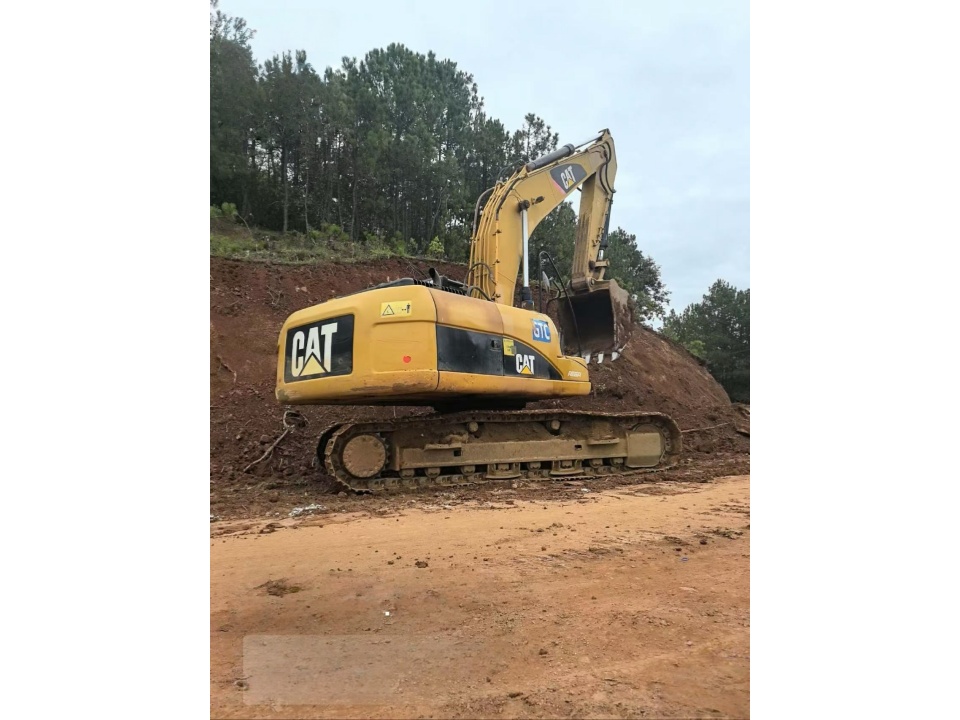
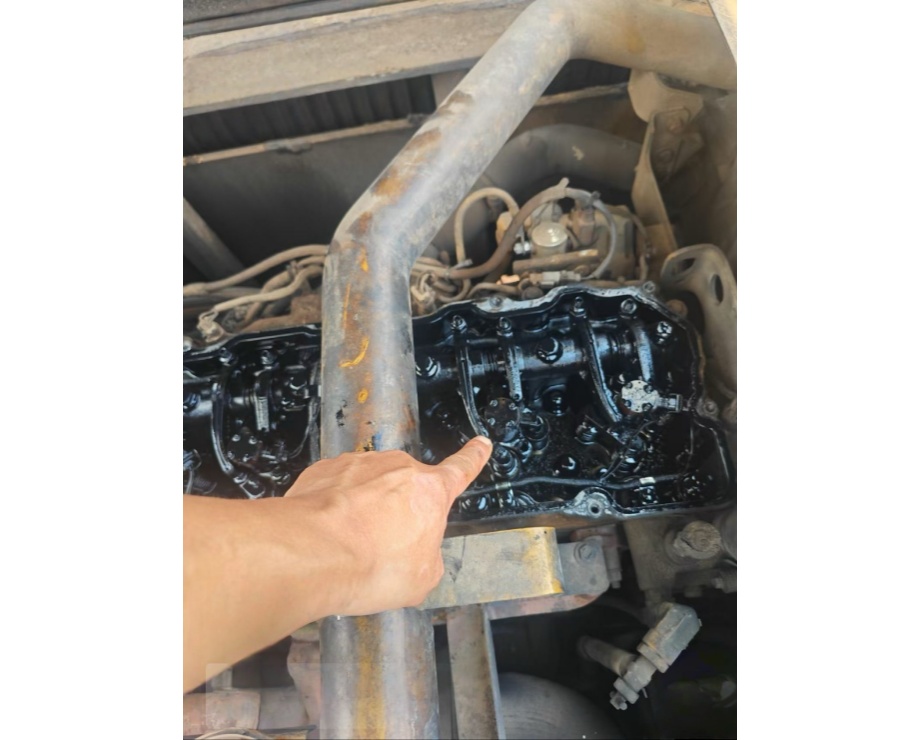
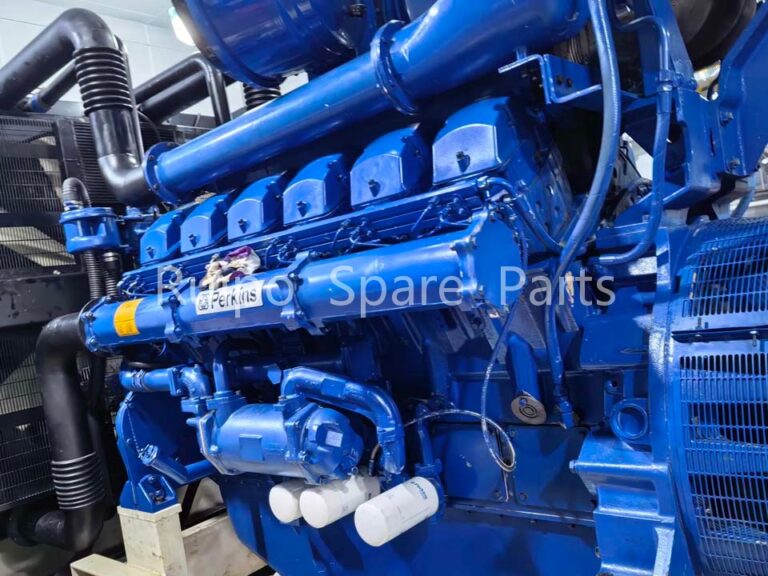
“Поставщик предоставил нам настоящее универсальное решение по запчастям. Их команда подобрала нужные запчасти Caterpillar, Perkins и фильтры для нашего оборудования, а поддержка была быстрой и профессиональной от запроса до поставки”.”
Менеджер по закупкам
Проекты запчастей для тяжелой техники
что о нас говорят другие
“Поставщик предоставил нам настоящее универсальное решение по запчастям. Их команда подобрала нужные запчасти Caterpillar, Perkins и фильтры для нашего оборудования, а поддержка была быстрой и профессиональной от запроса до поставки”.”
Пороговые значения для капитального ремонта дизельных двигателей в зависимости от типа оборудования и режима эксплуатации
Я видел, как два менеджера автопарка стояли рядом с двигателями, показания счетчиков которых были практически одинаковыми, и говорили о них так, будто те прожили одинаковую жизнь, хотя один из них проводил свои дни, бездельничая при стабильной температуре, а другой с самого утра глотал пыль карьера, перегревался после остановки и с трудом справлялся с нагрузками гидравлической системы.
Оглавление
Те же часы. Другой двигатель.
В этом и заключается первая проблема, возникающая при обычном обсуждении капитального ремонта дизельного двигателя. Кто-то спрашивает: “Сколько часов должен проработать этот двигатель?” После чего приводится цифра, почерпнутая из интернет-форума, рассказа дилера или полузабытой таблицы технического обслуживания.
Десять тысяч.
Пятнадцать тысяч.
Может быть, двадцать.
Звучит неплохо, правда?
Вот горькая правда: зачастую именно «круглые цифры» и становятся причиной срыва бюджета. Дизельный двигатель резервного генератора, на счетчике которого 12 000 часов, не обязательно выполнил работу, сопоставимую с механической нагрузкой, которую выдержал экскаватор с таким же наработкой, который годами работал в режимах холостого хода, поворотной нагрузки, нагрузки на насос, усилие отрыва и полных остановках при перегреве.
Счетчик фиксирует время. И всё.
При принятии взвешенного решения о капитальном ремонте дизельного двигателя необходимо учитывать среднюю нагрузку, совокупный расход топлива, долю времени работы на холостом ходу, количество холодных запусков, попадание пыли, историю использования охлаждающей жидкости, расход масла, утечку газов из камеры сгорания, степень сжатия, баланс форсунок, случаи перегрева, состояние смазочного материала, а также затраты, связанные с выходом машины из строя в тот момент, когда она действительно нужна.
Если не обращать на это внимания, то “срок службы дизельного двигателя” превращается в тему для разговоров в баре, к которой прилагается счет.
Счетчик моточасов — это не индикатор износа
Однажды бригадир сказал мне, что его двигатель “молодой”, потому что на нём было всего 9 000 часов наработки.
Возможно.
Однако машина работала на жаркой площадке с абразивными материалами, на корпусе воздушного фильтра были видны следы грязи, а оператор признал, что предупреждение о перегреве включалось “несколько раз”. Это предложение —несколько раз—может скрывать удивительно много повреждений поршня, гильзы, прокладки головки блока цилиндров и масляной пленки.
Моточасы отражают продолжительность работы. Они не позволяют непосредственно измерить давление сгорания, отвод тепла, степень загрязнения пылью, количество переработанного топлива или количество раз, когда холодный двигатель подвергался интенсивной нагрузке до того, как масло успело должным образом циркулировать.
Это различие имеет значение.
В базе данных по внедорожным дизельным двигателям штата Калифорния коэффициент загрузки определяется как средняя доля номинальной мощности, используемой во время работы двигателя. Данные по оборудованию показали, что коэффициенты загрузки варьировались от 0,20 до 0,54, а общее среднее значение составило 0,38. Однако более интересными оказались данные по экскаваторам: записи о расходе топлива и наработке 170 экскаваторов указали на коэффициент загрузки, оцениваемый в 49%, по сравнению с ранее смоделированным значением 39%.
Десять процентных пунктов.
Не маленький.
Этот разрыв достаточно велик, чтобы привести к неверным выводам при планировании капитального ремонта, составлении прогнозов по расходу топлива и определении допущений об обновлении парка — особенно если в электронной таблице каждый зарегистрированный час учитывается как равный по значимости. Данные доступны в Каталог выбросов дизельных двигателей в эксплуатации, составленный CARB за 2022 год.
Приблизительный способ привести часы к стандартному формату:
Эквивалентное количество часов работы при полной нагрузке = зарегистрированное количество часов работы двигателя × средний коэффициент загрузки
Таким образом, экскаватор, проработавший 10 000 часов при среднем коэффициенте загрузки, равном, по оценкам, 0,49, накопил примерно 4 900 эквивалентных часов работы под полной нагрузкой.
Полезно? Конечно.
Закончено? Даже и близко нет.
Этот расчет не учитывает, был ли воздушный фильтр установлен правильно. Он не учитывает, что двигатель работал на холостом ходу по четыре часа в каждую смену, был ли интеркулер наполовину забит или промывали ли систему охлаждения под давлением до тех пор, пока ребра не погнулись, как мокрый картон.
Кроме того, в списке не указаны такие факторы, как холодный запуск, разбавление топлива, капание из форсунок, глазирование цилиндров, неисправность термостатов, несоответствующий химический состав охлаждающей жидкости, турбо-задержка, неправильная эксплуатация со стороны водителя и нагрев двигателя после остановки.
И именно поэтому я искренне считаю, что расходу топлива следует уделять больше внимания, чем ему уделяется сейчас. Расход топлива тоже не идеален, но он показывает, сколько энергии двигатель фактически переработал. Больший расход топлива, как правило, означает более высокое давление сгорания, больше тепла, больший ход поршневых колец, большую нагрузку на подшипники и большую работу коленчатого вала.
Например, компания Cummins опубликовала показатель ресурса до капитального ремонта, составляющий до 625 000 американских галлонов — около 2,37 млн литров топлива — для одной из конфигураций локомотива QSK38, вместо того чтобы описывать ресурс исключительно в часах наработки.
Можно ли установить этот номер на 20-тонный экскаватор?
Конечно, нет.
Однако это показывает то, о чём в отрасли уже знают, а отделы закупок часто забывают: серьезное планирование срока службы двигателя иногда зависит от объема прокачанного топлива и интенсивности эксплуатации, поскольку один лишь отсчет времени — это слишком примитивный подход.
Практическое планирование периодов реконструкции по типам оборудования
Эти цифры — не какие-то волшебные границы. Они — Диапазоны бюджетирования в сегменте B2B—момент, когда мне хотелось бы, чтобы данные о техническом осмотре, финансирование, планирование запасных частей и меры на случай простоев были готовы до того, как двигатель начнёт принимать решения за нас.
Эти диапазоны основаны на опубликованных заявлениях производителей об сроках службы до капитального ремонта, данных о капитальном ремонте в эксплуатационных условиях, результатах исследований коэффициента загрузки, сервисной информации, а также на очевидных механических различиях между вариантами применения оборудования.
Оборудование или область применения
Начать официальную проверку состояния
Окно «Рабочий бюджет реконструкции»
Что обычно ускоряет наступление даты
Экскаваторы и строительная техника
8 000–10 000 часов
10 000–15 000 часов
Попадание пыли, длительное нахождение на холостом ходу, перегрев, скачки гидравлической нагрузки, неэффективная фильтрация воздуха
Внедорожные погрузчики, бульдозеры и транспортная техника
10 000–12 000 часов
12 000–20 000 часов
Длительное воздействие нагрузок, высокая температура окружающей среды, циклы перегрузки, загрязненное масло или охлаждающая жидкость
Двигатели для тяжелых условий эксплуатации вне дорог
8 000–10 000 часов
Около 12 000 часов или продление срока службы с учетом технического состояния
Высокий коэффициент загрузки, участки с абразивным воздействием, многократные термоциклы
Дизель-генераторные установки для основного энергоснабжения
15 000–20 000 часов
20 000–30 000+ часов
Постоянная высокая нагрузка, качество топлива, ограничения по охлаждению, неравномерные температуры выхлопных газов в цилиндрах
Резервные дизель-генераторные установки
Анализ по состоянию и календарному возрасту с момента ввода в эксплуатацию
Часто не ограничено по времени эксплуатации; возможен ресурс более 30 000 часов между капитальными ремонтами
Влага, коррозия, просроченное топливо, короткие пробеги без нагрузки, неисправности систем запуска
Судовые пропульсивные и вспомогательные дизельные двигатели
8 000–16 000 часов, в зависимости от компонента
16 000–36 000 часов для многих видов капитального ремонта
Высокая постоянная нагрузка, несоответствие винта, проблемы с охлаждением в соленой воде, сера, плавание на пониженной скорости
Избранные современные судовые двигатели коммерческого назначения
Следуйте программе технического обслуживания по состоянию оборудования, разработанной производителем
До 60 000–96 000 часов для определённых компонентов или семейств двигателей
Загрязнение топлива, химический состав охлаждающей воды, нарушение баланса сгорания, пропущенные проверки
Внимательно ознакомьтесь с таблицей. Там говорится о “проверке” и “бюджете”, а не о том, что “нужно разбирать двигатель, как только счетчик моточасов перевалит за определенное значение”.”
Эта разница обходится дорого.
Компания Cummins заявляет, что срок службы её внедорожного двигателя QSG12 до капитального ремонта может достигать или превышать 12 000 часов без промежуточного ремонта. В примере с карьером Verdalskalk компании Caterpillar описывается, что капитальный ремонт машин обычно проводится при наработке около 15 000 часов, в зависимости от их состояния. Компания Cummins также опубликовала материалы, в которых указывается, что двигатели резервных генераторов обычно могут проработать более 30 000 часов между капитальными ремонтами.
Далее речь заходит о крупных коммерческих морских платформах, где некоторые опубликованные показатели по ресурсу отдельных компонентов или срокам капитального ремонта достигают 60 000 или даже 96 000 часов.
Одно и то же семейство топлив.
Совершенно иная жизнь.
Любой, кто предлагает единый интервал капитального ремонта дизельного двигателя для всех этих вариантов применения, либо чрезмерно упрощает проблему, либо пытается сбыть комплект для капитального ремонта.
Критерии капитального ремонта двигателя экскаватора
Приблизительно через 8 000 часов я бы начал вести полноценный журнал технического состояния экскаватора — даже если он запускается без проблем, работает ровно и не потребляет столько масла, чтобы это вызывало беспокойство у оператора.
Пока не заказывайте поршни.
Соберите доказательства.
Измерьте давление в картере при постоянной нагрузке. Записывайте количество добавленного масла за каждые 100 часов. Отслеживайте добавку охлаждающей жидкости, а не полагайтесь на чьи-то слова: “Её нужно добавлять время от времени”. Проанализируйте расход топлива под нагрузкой, поправки на форсунки, вклад каждого цилиндра, разброс температур выхлопных газов, давление наддува, степень ограничения впуска и как минимум три последовательных отчёта по анализу масла.
Почему три?
Ведь один образец может быть загрязнён. Один образец может быть взят после ремонтных работ. Один образец может отражать длительный или короткий интервал замены масла, загрязнённую бутылку или двигатель, который всю неделю работал на холостом ходу.
Тенденцию обмануть гораздо сложнее.
При наработке примерно от 10 000 до 15 000 часов коммерческие переговоры становятся более острыми. Не потому, что срок службы двигателя автоматически заканчивается, а потому, что цена ошибки начинает расти.
Двигатель Cummins QSG12 рассчитан на заявленный ресурс до капитального ремонта в 12 000 часов. В примере с норвежским карьером компании Caterpillar отмечалось, что капитальный ремонт всей машины обычно проводится примерно через 15 000 часов, в зависимости от состояния. В данном случае стоимость несертифицированной капитальной реконструкции составляла примерно от 35% до 40% от стоимости новой машины, при этом ожидалось, что ещё один отремонтированный экскаватор Cat 988H проработает ещё от 6 000 до 7 000 часов.
Это полезная арифметика.
Сайт Проект реконструкции карьера «Вердальскальк» в 2023 году Это не доказывает, что двигатель каждого экскаватора следует разбирать по пробегу 15 000 часов. Однако это показывает, почему плановый капитальный ремонт может быть целесообразен, если рама, конструкция, сфера применения и остаточная стоимость машины по-прежнему заслуживают защиты.
Но — и эту ошибку допускают постоянно — медленное раскачивание не всегда означает слабые цилиндры.
Предположим, что двигатель выходит на номинальную частоту вращения, машина движется достаточно хорошо, серьезного увеличения утечки газов в картер не наблюдается, а показатели проб масла остаются стабильными, но ковш работает вяло при работе с твердым материалом. Возможно, это связано с неисправностью насоса, перепускного клапана, системы управления, утечкой или снижением гидравлического КПД, а не с проблемой двигателя.
Я сталкивался с подобными случаями ошибочного диагноза.
Это больно.
То же самое касается перегрева. Механик видит, как температура охлаждающей жидкости поднимается под нагрузкой, замечает небольшую масляную мутность — и кто-то сразу же делает вывод о повреждении гильз цилиндров или прокладки головки блока цилиндров. Не торопитесь. Проверьте радиаторную решетку, наличие мусора между охладителями, шаг лопастей вентилятора, направление вращения вентилятора, скорость вращения вентилятора, зазоры в кожухе, состояние ремня, открытие термостата, расход водяного насоса, давление в крышке радиатора, температуру наддувочного воздуха и концентрацию охлаждающей жидкости.
Однако пока что это всё-таки проблема с охлаждением.
Исправьте то, что действительно нужно.
Критерии проведения капитального ремонта дизельных генераторных двигателей
Generator engines confuse people because “generator duty” can mean almost anything.
There’s the standby unit sitting behind a hospital, data center, warehouse, telecom site, or water-treatment facility. It may run only a handful of hours during a normal year. Then there’s the prime-power set working a remote camp, mine, construction site, island grid, or industrial facility for thousands of hours annually.
Those engines may share a badge.
Their lives aren’t similar.
A standby generator can have low hours and still be unreliable. Moisture creeps into the crankcase and exhaust. Fuel ages. Batteries sulfate. Jacket-water heaters fail. Seals harden. Contacts corrode. Rodents discover wiring. Short, unloaded exercise runs create soot and condensation while allowing everybody to claim the unit was “tested.”
It spun.
That isn’t the same as proving it can accept load.
Cummins advises that infrequently used generator sets should be exercised under meaningful load. Its 2024 manual for one Onan diesel model recommends a two-hour monthly exercise at roughly half-rated power rather than a collection of short, nearly unloaded runs.
That makes mechanical sense. The engine reaches temperature, the exhaust heats properly, moisture can evaporate, and the operator has time to catch unstable temperature, smoke, voltage recovery, abnormal noise, fuel leakage, weak cranking, or poor load acceptance.
Prime-power engines get a different beating. They may accumulate 6,000 to 8,000 hours in one year, but they often run at stable temperatures for long periods—which engines generally prefer—while processing a massive volume of fuel.
For those sets, track liters per generated kWh, oil consumption, coolant chemistry, cylinder exhaust temperatures, injector balance, crankcase pressure, boost, and load-step response.
Don’t just write down hours.
An older but still useful Cummins reliability paper states that standby diesel engines can typically run for 30,000 hours or more between major overhauls. I’d treat that as evidence of possible engine capability, not a promise and certainly not an excuse to neglect testing.
A standby unit protecting a cold store, operating theatre, data hall, mine dewatering system, or municipal pump station should be rebuilt while the work can still be planned. Waiting for a dramatic symptom may feel financially conservative right up until the lights go out.
Then it’s panic buying.
Caterpillar has reported a case in which three Cat C32 generator sets supplied a ten-building medical campus for more than a month following a transformer failure. That example isn’t a diesel generator engine overhaul threshold, but it explains why reliability margins matter.
For nonessential rental equipment, you may tolerate more risk.
For medical power? No.
Критерии капитального ремонта судовых дизельных двигателей
Marine diesel numbers can become nonsense very quickly.
A high-speed engine pushing a planing vessel, a medium-speed ferry engine, a harbor tug, an auxiliary generator, and a low-speed two-stroke main engine may all be described with the same broad phrase—marine diesel—but the mechanical similarities end surprisingly fast.
Bore size changes. Piston speed changes. Continuous rating changes. Fuel changes. Lubrication changes. Cooling-water treatment changes. The engine-room environment changes. Even the meaning of “overhaul” changes because large marine engines are often maintained component by component rather than treated as one sealed lump.
And then somebody asks for one universal marine diesel overhaul interval.
Ни за что.
На сайте MAN Energy Solutions Service Letter SL2023-744, published in August 2023, MAN explains that condition-based maintenance strategies can extend guiding overhaul intervals. The same letter warns that waste-heat recovery systems, exhaust-gas bypass arrangements, EGR, SCR, heavy propeller operation, slow steaming, and fuel quality can alter combustion-chamber heat load and wear.
That’s the real stuff.
For one 70-bore ME-C methane configuration, the tables show 16,000-hour overhaul intervals for cylinder liners, piston rings, piston crowns, and piston skirts. A cylinder lubricator is shown at 32,000 hours, while selected components carry expected service lives reaching 60,000 or 96,000 hours.
Don’t drag those figures onto a yacht engine.
They belong to the specified engine architecture, rating, operating conditions, inspection regime, and manufacturer guidance.
But the numbers do prove something: “marine diesel engine overhaul” is not one event at one universal hour count. It can be a sequence of inspections, measurements, overhauls, and component renewals spread across tens of thousands of operating hours.
The fleet evidence gets more interesting. In March 2024, MAN reported that its 51/60DF engine population had passed 10 million cumulative operating hours. The report covered 310 engines in service, cited availability of up to 98%, and stated that field maintenance intervals had exceeded a planned 36,000-hour schedule.
Does that mean every marine engine should be pushed beyond 36,000 hours?
Нет.
It means that good engineering, suitable loading, disciplined maintenance, correct fuel handling, cooling-water control, combustion balance, and proper inspection can support longer intervals than an unverified internet average would suggest.
Condition data earns extensions.
Optimism doesn’t.
Шесть сигналов о восстановлении, которые важнее, чем время
The hour meter is still useful. I’m not throwing it away.
But when the hour count disagrees with physical evidence, I trust the physical evidence.
1. Потребление нефти растёт
A mechanic says the engine “uses oil.”
Fine. How much?
That question often produces a shrug, and a shrug isn’t data.
Record liters or quarts added per 100 hours. Better yet, compare oil added with fuel consumed or useful production. An excavator can be tracked by oil per 100 hours and fuel per cubic meter moved. A generator can be measured against generated kWh. A haul machine can be compared with tonnes moved.
The trend matters more than the first number.
An engine that has consumed a stable amount of oil for 4,000 hours may be less concerning than an engine whose consumption has doubled during the last 500 hours, even when the newer number still looks “acceptable” to somebody reading a generic chart.
Rings wear. Liners polish. Valve guides loosen. Turbo seals leak. Crankcase pressure rises. Oil gets pulled into places it shouldn’t be.
Sometimes it’s subtle.
Cummins associates ring and liner problems with increased oil consumption, blow-by, power loss, and aftertreatment damage. That last item is easy to overlook. Oil ash and combustion deposits don’t politely remain inside the base engine; they can move downstream and create another repair bill.
So don’t ask only, “Is it burning oil?”
Ask, “How fast is the consumption rate changing, under what load, and where is the oil going?”
2. Уровень утечки газов превысил допустимый предел для данного двигателя
Blow-by is combustion gas leaking past the piston rings into the crankcase.
Every diesel has some.
That’s normal.
What isn’t normal is a steady increase in crankcase pressure under a controlled, repeatable load—particularly when it appears alongside rising oil consumption, low cylinder contribution, haze from the breather, seal leakage, or reduced power.
Caterpillar’s blow-by diagnostic equipment is used to evaluate ring wear, cylinder-wall damage, compression loss, and general engine condition. But the measured number has to be compared with service information for that engine model and test procedure.
Not somebody else’s engine.
Displacement matters. Speed matters. Load matters. Measurement units matter. Test temperature matters. Breather arrangement matters.
A six-liter engine and a 38-liter engine won’t share the same raw flow limit. Nor should they.
I’ve heard people diagnose a rebuild by removing an oil cap and watching it dance.
That’s a clue.
It isn’t a test report.
3. Анализ масла показывает тенденцию, а не какую-то одну пугающую цифру
One high iron result can start an argument.
Three rising iron results start an investigation.
There’s a difference.
A single sample can be affected by poor sampling technique, recent repair work, an extended drain, fresh break-in wear, residue in the bottle, or contamination introduced while the sample was taken.
That’s why I want consecutive reports, sampled from the same point, at comparable intervals, with operating hours and oil-add quantities recorded.
Watch iron (Fe), copper (Cu), lead (Pb), aluminum (Al), chromium (Cr), silicon (Si), sodium (Na), and potassium (K). Then look at viscosity, oxidation, soot, fuel dilution, water, and evidence of glycol.
The relationships matter.
High silicon with rising iron may point toward dirt ingestion. Sodium and potassium, combined with water or glycol indicators, may suggest coolant entry. Copper and lead movement can indicate bearing distress, although cooler cores and other copper-containing components can complicate the picture.
Ethylene glycol—C₂H₆O₂—in engine oil isn’t a casual “check again next service” finding when bearing metals are moving and the coolant level keeps falling.
John Deere’s fluid-analysis material discusses early detection of wear metals, dirt, water, coolant, fuel, soot, additive depletion, viscosity change, and oxidation.
That’s how oil analysis should be used.
Not as a fortune cookie.
4. Расход топлива растёт, в то время как объём производства снижается
A tired diesel often gets expensive before it gets dramatic.
The operator may not notice because the decline happens slowly. The machine still starts. It still moves. It still makes noise. But it needs more throttle to perform the same work, cycle times stretch, fuel use climbs, and the black-smoke complaint gets blamed on “heavy material.”
Measure it.
For an excavator, compare fuel burn with material moved or repeatable cycle performance. For a generator, track liters per kWh at controlled loads. For haul equipment, measure liters per tonne. For marine engines, review fuel consumption against power, vessel speed, propeller condition, weather, hull fouling, and engine load.
Yet don’t jump straight to rings.
A restricted air cleaner, charge-air leak, worn turbocharger, injector fault, timing issue, exhaust restriction, excessive aftertreatment backpressure, cooling problem, poor fuel, or weak hydraulic system can all make an engine look tired.
Here’s the ugly truth: a new set of liners won’t fix a plugged cooler stack.
It won’t repair a slipping fan drive.
And it definitely won’t restore a worn hydraulic pump.
5. Баланс цилиндров нарушается
One weak cylinder can hide in a large engine for a long time.
The remaining cylinders pick up the work. Exhaust temperatures spread. Fuel corrections move. Smoke changes. The engine may feel slightly rough at one operating point and perfectly acceptable at another.
Then the fault grows.
Measure compression where the OEM procedure supports it. Review cylinder contribution, injector correction, peak firing pressure where available, and exhaust temperature under a steady, repeatable load.
One weak hole might point toward an injector, valve, seat, head, or localized cylinder problem.
Several weak cylinders—combined with rising blow-by, increased oil use, weak loaded power, and wear-metal trends—make an in-frame or full diesel engine overhaul far easier to justify.
But use the correct limits.
A 2024 Cummins service manual for one 1.5-liter IDI generator engine lists a minimum cylinder compression of 370 psi, or 2.55 MPa. That figure belongs to that engine and its specified procedure.
It is not “the minimum compression for a diesel.”
Engines don’t work like that.
6. Проблема с охлаждением постоянно повторяется
An engine overheats once because a plastic bag blocks the radiator.
That’s one thing.
It overheats every time the machine works hard, coolant keeps disappearing, the fan sounds wrong, and the top tank temperature climbs faster each month?
Different story.
Repeated high-temperature operation attacks oil viscosity, piston-to-liner clearance, valve life, turbocharger durability, liner seals, head gaskets, and cylinder-head flatness. The warning light may go off after the machine cools, but the metallurgical damage doesn’t reverse itself out of politeness.
Pressure-test the cooling system. Check the cap. Measure radiator temperature drop. Confirm thermostat operation. Inspect water-pump flow, belt drive, fan speed, fan pitch, fan direction, shroud sealing, charge-air-cooler restriction, coolant concentration, freeze point, and the presence of combustion gas in the cooling system.
And clean the coolers properly.
Blasting a packed radiator from the wrong direction can drive debris deeper into the stack. Hammering soft fins with excessive pressure can reduce airflow while making the surface look clean from five feet away.
Seen it happen.
When the teardown is finally approved, don’t dismiss the small hardware. Reusing stretched, corroded, rounded, or incorrectly graded fasteners can compromise an otherwise careful overhaul.
Ремонт верхней части, капитальный ремонт в корпусе или полная замена?
Not every smoky, oil-using, low-power diesel needs a complete overhaul.
And not every engine that still starts deserves to keep running.
The correct scope sits somewhere between those two lazy conclusions.
Продолжайте бегать — но измеряйте результаты чаще
Continue operating when loaded power remains acceptable, fuel consumption is stable, blow-by isn’t moving, oil use is predictable, coolant stays where it belongs, and oil-analysis trends remain flat.
But create stop conditions.
Write them down.
For example: rebuild planning begins if oil consumption rises by a defined percentage, crankcase pressure crosses the OEM limit, glycol appears in two confirmed oil samples, loaded fuel rate worsens beyond the agreed threshold, or one cylinder repeatedly fails the balance test.
“Keep an eye on it” is not a maintenance strategy.
It’s how problems disappear between shifts until the engine puts a connecting rod through the block.
Выберите капитальный ремонт
A top-end overhaul makes sense when the problem is concentrated in cylinder heads, valves, seats, guides, injectors, rocker gear, or the turbocharger while the liners, bearings, crankcase pressure, oil pressure, and bottom-end metal trends remain acceptable.
Generator engines with valve recession or unstable exhaust temperatures may fall into this group. So might a marine engine with injector leakage, one damaged head, or localized valve trouble.
This scope can save real money.
But only when the bottom end has been checked rather than ignored.
Выберите вариант восстановления в рамках существующей структуры
An in-frame rebuild becomes reasonable when pistons, rings, liners, rod bearings, and related power-cylinder components show clear wear but the engine block, crankshaft, installation, and main structure remain serviceable.
It avoids some removal, transport, and reinstallation cost. On large equipment, that matters.
Still, I’ve seen cheap in-frames become expensive very quickly because the work stopped at the obvious parts. Nobody checked counterbore condition. Nobody measured crank journals properly. The turbocharger went back on with questionable end play. The oil cooler wasn’t cleaned. The injectors were reused because they “looked okay.”
Then the fresh cylinders ate the old contamination.
False economy.
Выберите полный капитальный ремонт или замену двигателя
A complete overhaul—or replacement—makes more sense when the crankshaft, main-bearing structure, block, camshaft system, lubrication circuit, multiple cylinders, or major external systems show broad deterioration.
The same applies when parts availability is poor, the engine has an obsolete emissions configuration, the core is damaged, or the expected downtime of rebuilding is worth more than the difference in engine price.
If a planned diesel engine rebuild costs less than the risk-adjusted cost of continued operation, schedule it. If a replacement engine also reduces fuel use, improves emissions compliance, restores warranty protection, solves parts-supply problems, or cuts downtime, rebuilding the old core might not be the bargain it first appears to be.
Cheap isn’t always economical.
Три вывода из реальной практики, о которых стоит помнить
The Caterpillar Verdalskalk case is useful because it deals with actual commercial decisions rather than theoretical engine life. The 2023 account described machine rebuilding commonly taking place near 15,000 hours, depending on condition, with one non-certified rebuild costing around 35% to 40% of a new machine.
Another rebuilt Cat 988H was expected to gain 6,000 to 7,000 additional hours.
That’s a business case.
It still isn’t a universal rebuild timer.
CARB’s off-road data gives us a different warning. Its overall equipment load factor was 38%, while the excavator group derived from fuel-and-hour data reached 49%.
Two hour meters can show the same number while the engines behind them have processed substantially different fuel volumes, cylinder pressures, heat loads, and work cycles.
The third example comes from MAN. Its March 2024 report covered 310 model 51/60DF engines that had exceeded 10 million combined operating hours, with availability reported at up to 98% and some field maintenance intervals moving beyond the planned 36,000-hour schedule.
That doesn’t tell us to delay maintenance.
It tells us that inspections, operating discipline, combustion balance, correct fluids, and reliable trend data can justify an extension. Without those things, “condition-based maintenance” is sometimes just a sophisticated phrase for hoping nothing breaks.
My opinion?
Fleet owners need to stop asking, “How long does a diesel engine last?”
Ask this instead:
How much verified life remains in this engine, at this load, in this environment, with this maintenance history—and what will one unplanned failure cost the business?
That question isn’t as neat.
It’s much more useful.
Вопросы и ответы
Когда следует проводить капитальный ремонт дизельного двигателя?
A diesel engine should be rebuilt when repeated condition data shows progressive internal wear—such as rising oil consumption, excessive blow-by, uneven compression, worsening fuel efficiency, abnormal wear metals, coolant contamination, or falling loaded power—that can’t be corrected economically through injector, turbocharger, cooling-system, hydraulic, or top-end repairs.
The hour meter should start the investigation, not end it. Test the engine under a repeatable load, compare the measurements with model-specific OEM limits, review multiple oil samples, and calculate the cost of continued operation before choosing an in-frame or complete diesel engine overhaul.
A typical diesel engine rebuild interval may fall near 10,000–15,000 hours for hard-worked construction engines and 20,000–30,000 hours or more for well-maintained generator engines, while selected commercial marine engines or individual components may have published overhaul and expected-life figures ranging from approximately 36,000 to 96,000 hours.
Those numbers are planning ranges—not universal deadlines. Load factor, cumulative fuel burn, idle time, dust, fuel quality, overheating, cooling performance, oil condition, operating rating, and maintenance discipline can move the real rebuild point thousands of hours earlier or later.
Через сколько часов работы двигатель экскаватора следует капитально ремонтировать?
An excavator engine should usually enter structured condition assessment at approximately 8,000–10,000 hours, while many fleets begin budgeting a possible rebuild between 10,000 and 15,000 hours; clean, correctly maintained engines may run longer, whereas dust entry, overheating, fuel dilution, high-load cycles, or poor filtration can force earlier intervention.
Don’t authorize an excavator engine rebuild on hours alone. Check loaded blow-by, oil consumption, compression or cylinder contribution, boost, injector balance, coolant history, air-filter sealing, oil-analysis trends, productive fuel use, and hydraulic performance before deciding that the base engine is responsible.
Когда дизельному генератору требуется капитальный ремонт?
A diesel generator needs an overhaul when controlled load testing and condition trends show declining reliability, rather than merely when the engine reaches a generic hour figure; prime-power units may be budgeted near 20,000–30,000 hours, while low-hour standby units are often governed by calendar aging, corrosion, exercise quality, fuel condition, and starting-system reliability.
Track crankcase pressure, exhaust-temperature balance, fuel consumption per kWh, oil and coolant condition, starting time, smoke, frequency recovery, voltage stability, and load acceptance. A short unloaded monthly run doesn’t prove that the engine can carry its rated emergency load.
Как часто следует проводить капитальный ремонт судового дизельного двигателя?
A marine diesel engine should be overhauled according to its engine-family component schedule and verified operating condition, with many inspection or overhaul events occurring between approximately 16,000 and 36,000 hours, while selected commercial-engine components or major-overhaul programs may carry published figures extending toward 60,000 or 96,000 hours.
Fuel sulfur, lubricant feed rate, propeller loading, slow steaming, EGR, SCR, combustion balance, cooling-water chemistry, liner measurements, ring condition, scavenge inspections, bearing data, and the manufacturer’s service letters all affect the real interval. Vessel class and model-specific documentation outrank generic online averages.
Составьте бюджет на капитальный ремонт, пока двигатель не сделал это за вас
Before approving—or postponing—the next diesel engine rebuild, put the evidence on one sheet.
Include the engine model and serial number, equipment application, total hours, annual utilization, estimated load factor, lifetime or recent fuel consumption, oil added per 100 hours, the last three oil-analysis reports, blow-by measurements, compression or cylinder-balance results, loaded fuel rate, coolant history, overheating events, and the financial cost of one day of downtime.
Then set three points:
The next inspection.
The planned overhaul window.
The absolute stop condition.
Don’t leave those decisions buried in somebody’s head. Operators change. Supervisors move. Maintenance records vanish. The engine keeps wearing anyway.
Plan the work while the engine is still a rebuildable core—before one worn ring scores a liner, one coolant leak damages the bearings, or a neglected temperature problem turns scheduled maintenance into a crane, a recovery truck, and a very uncomfortable meeting.